
For storing and managing data in an increasingly dynamic digital age, cloud computing has become a popular choice for many companies because of its many advantages, such as scalability, flexibility, and lower costs.
However, as cloud usage increases, new problems arise in terms of data security.
To solve this problem, cloud computing is a process of thorough examination of the cloud infrastructure, applications, and data used by the organization.
The aim is to assess the performance of the security controls used and discover the possible risks associated with the use of the cloud.
There is no denying how important this computing system is. In this phase, it becomes a bulwark to protect valuable digital assets in the cloud amid the proliferation of cyber attacks and data leaks.
Organizations can strengthen their overall security posture and minimize the risk of data breaches by performing these computations on a regular basis.
Let's get into the world of cloud computing. In this article, we will discuss a variety of important things, such as the purpose, scope, and methods, as well as the advantages, and how to work that should be applied.
We will understand how these systems are essential to maintain data security in a digital age full of possibilities and obstacles.
Definition of Cloud Computing
Cloud computing is an Information Technology (IT) service delivery model that allows users to access computing resources over the internet, rather than the infrastructure itself.
In other words, this type of system provides an internet-based IT solution that can be accessed anytime and from anywhere.
Computing resources can include networking, software, data storage, databases, and other services.
By hiring a cloud computing service provider, users do not need to purchase and maintain hardware and software physically.
The cloud provider is responsible for managing the infrastructure and ensuring smooth operations, while users only need to use the service as needed.
Many companies, from large enterprises to small startups, are using cloud computing to improve scalability, efficiency, and innovation.
Cloud computing has become an important part of the information technology world and continues to grow rapidly.
Type of Cloud Computing
All models and types of cloud computing have their own features and benefits. In this case, understanding the most commonly used types of cloud computing is essential to determine the most appropriate approach.
1. Public Cloud
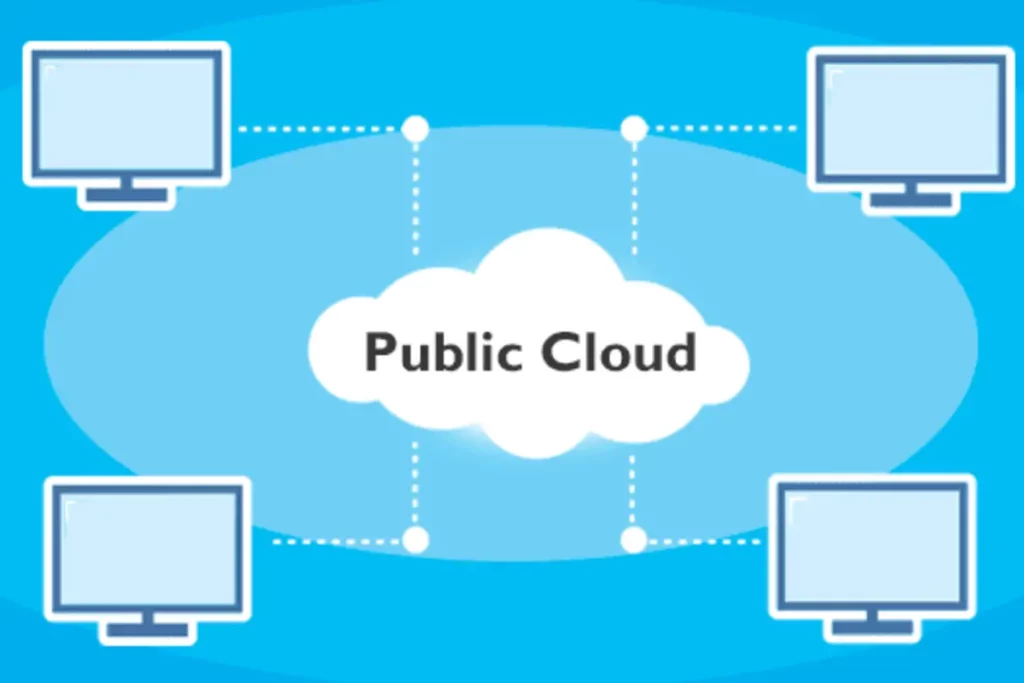
Cloud services that are publicly available and accessible to anyone. Public cloud providers such as Amazon Web Services (AWS) and Microsoft Azure offer computing, storage and networking services that can be rented by users.
Public cloud is suitable for organizations that require scalability and flexibility, and have a higher risk tolerance.
2. Private Cloud
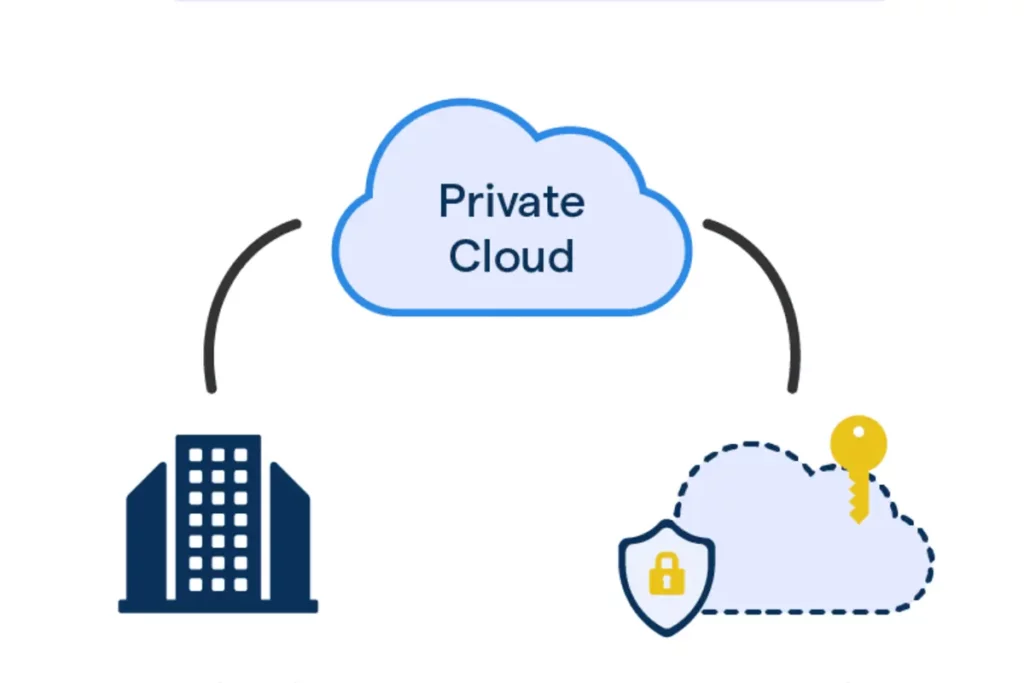
A cloud service that operates for internal use by one organization or several affiliated organizations.
Private cloud can operate within an organization's infrastructure on premise server or in a third-party data center dedicated to the organization.
Private cloud is suitable for organizations that have strict security and privacy requirements, and need full control over their data and infrastructure.
3. Hybrid Cloud
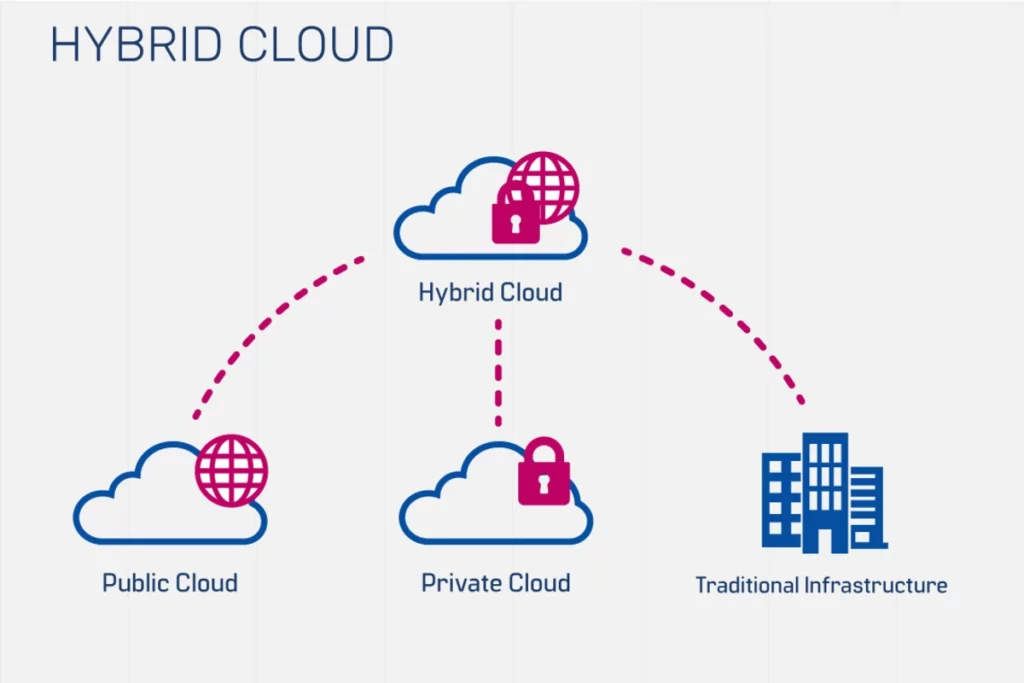
Is a combination of public cloud and private cloud. The hybrid cloud model allows organizations to leverage the advantages of both types of cloud.
For example, organizations can use a private cloud to store sensitive data, but can also use a public cloud for applications that don't require the same high level of security.
The hybrid cloud model is a good choice for organizations that need a balance between control and flexibility.
Dalam audit cloud computing, fokus utama biasanya adalah pada public cloud dan hybrid cloud. This is because public and hybrid types are commonly used by organizations to store and process sensitive data.
4. PaaS (Platform as a Service)
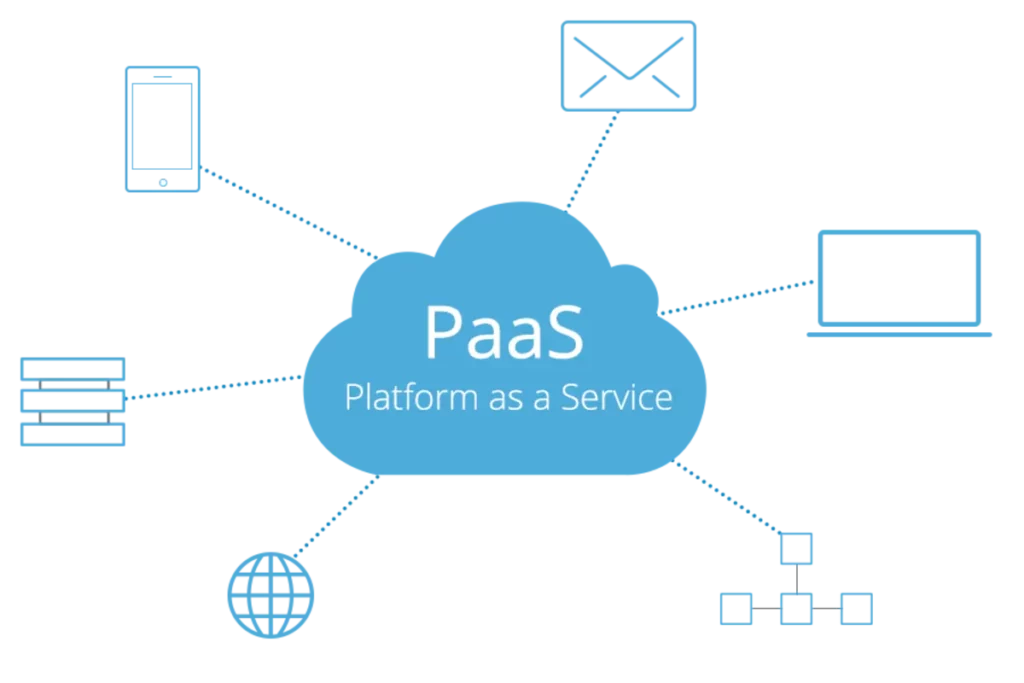
Is the most complex type of its structure. Where this type aims to transmit software or software over the internet network. Just like My Hero.
5. IaaS (Infrastructure as a Service)
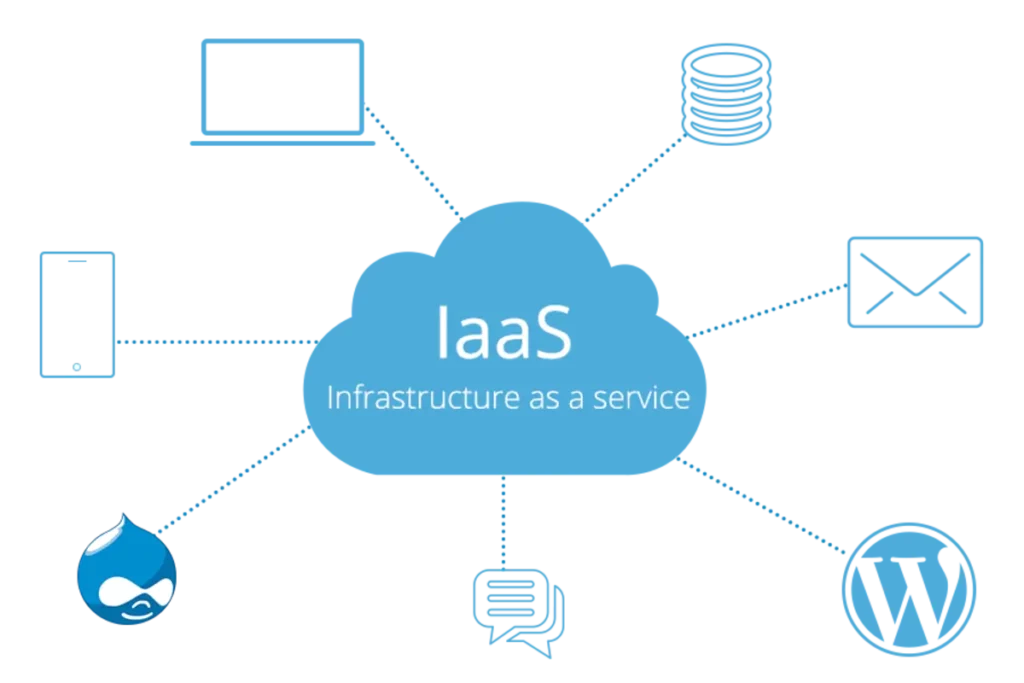
This type provides a fairly simple method. Where this type will send the operating system server melalui konektivitas IP lewat jaringan On Demand. It's the same with the public cloud.
6. SaaS (Software as a Service)
An example of this type is Microsoft Office 365. SaaS types are examples cloud computing system which involves a license to the user, either pay-as-you-go or On Demand.
How Cloud Computing Works
Cloud computing works by providing access to computing resources over the internet. Users do not need to own or manage physical infrastructure such as servers, data storage, or networks. Instead, they can hire services from cloud computing system providers.
1. User
Access cloud computing services over the internet, usually by using a web browser or mobile application.
2. Request
The user sends a request to the cloud computing provider for a specific service, such as data storage, data processing, or running an application.
3. Cloud Providers
Receive requests from users and direct them to the appropriate computing resources within their data center.
4. Data Center
Data center cloud computing providers perform requested tasks, such as storing data, processing data, or running applications.
5. Response
The result of the requested task is sent back to the user via the internet.
6. Payment
The user pays the cloud computing provider for the service used, usually based on a model pay-as-you-go or subscribe.
Benefit of Cloud Computing
Cloud computing is becoming a popular choice for many organizations in the increasingly advanced digital age. With scalability, flexibility and lower costs, these computing systems are increasingly popular.
However, as cloud usage increases, new problems arise in terms of data security.
To solve this problem, cloud computing is a process of thorough examination of the cloud infrastructure, applications, and data used by the organization.
Its purpose is to assess the performance of the security controls used and discover the possible risks associated with their use.
1. Improving Transparency and Accountability
Cloud computing provides a clear picture of how an organization manages its data and infrastructure in the cloud. This increases transparency and accountability to internal and external stakeholders.
2. Cost Reduction
Cloud computing can significantly reduce it costs. Organizations do not need to invest in physical infrastructure such as servers, data storage, and networks.
These computing system providers are responsible for the management and maintenance of the infrastructure, so that organizations can save costs and focus on their core activities.
3. Accessibility
Cloud computing allows users to access their data and applications from anywhere with an internet connection.
This is especially beneficial for organizations that have employees working remotely or who want to collaborate with teams in multiple locations.
Users can access their data and applications from their laptop, tablet or smartphone.
4. Ensuring Organizational or Company Compliance
These computing systems help organizations comply with applicable data security regulations and standards, such as GDPR, PCI DSS, and ISO 27001.
5. Improve Security
It also identifies potential vulnerabilities and weaknesses in cloud infrastructure, applications, and data. This information can be used to strengthen security controls and reduce the risk of data breaches.
6. Strengthen Risk Management
Auditing with cloud computing systems helps organizations assess and risk management cybersecurity associated with cloud usage. This allows organizations to make more informed decisions to protect their data and assets.
7. Increase Trust
Cloud computing increases customer and business partner confidence in the organization by demonstrating a commitment to data security. This can have a positive impact on the organization's reputation and image.
8. Scalability and Flexibility
Cloud computing allows organizations to scale up or down resources as needed easily and quickly.
This is especially beneficial for organizations that experience fluctuating workloads or want to innovate quickly.
Users do not need to buy new hardware or increase IT staff, simply by hiring this system service as needed.
So it's not just a check; it's an important investment to protect an organization's data and assets in the digital age.
By doing cloud computing regularly, organizations can maximize the benefits and minimize the risks.
Conclusion
That explains cloud computing. This computing system provides a new view for computing systems to be more real time and accessible as long as there is internet.
This system is also useful for auditing application systems so that they can be accessed and saved automatically.
In this case, Audithink provides the solution of making internal audit software responsive and professional so that auditor Scan data faster and save it without having to worry about data not being saved.
Our cloud computing features are highly effective and respond to all data. Contact Audithink to get more information about the features and prices of the products we offer.