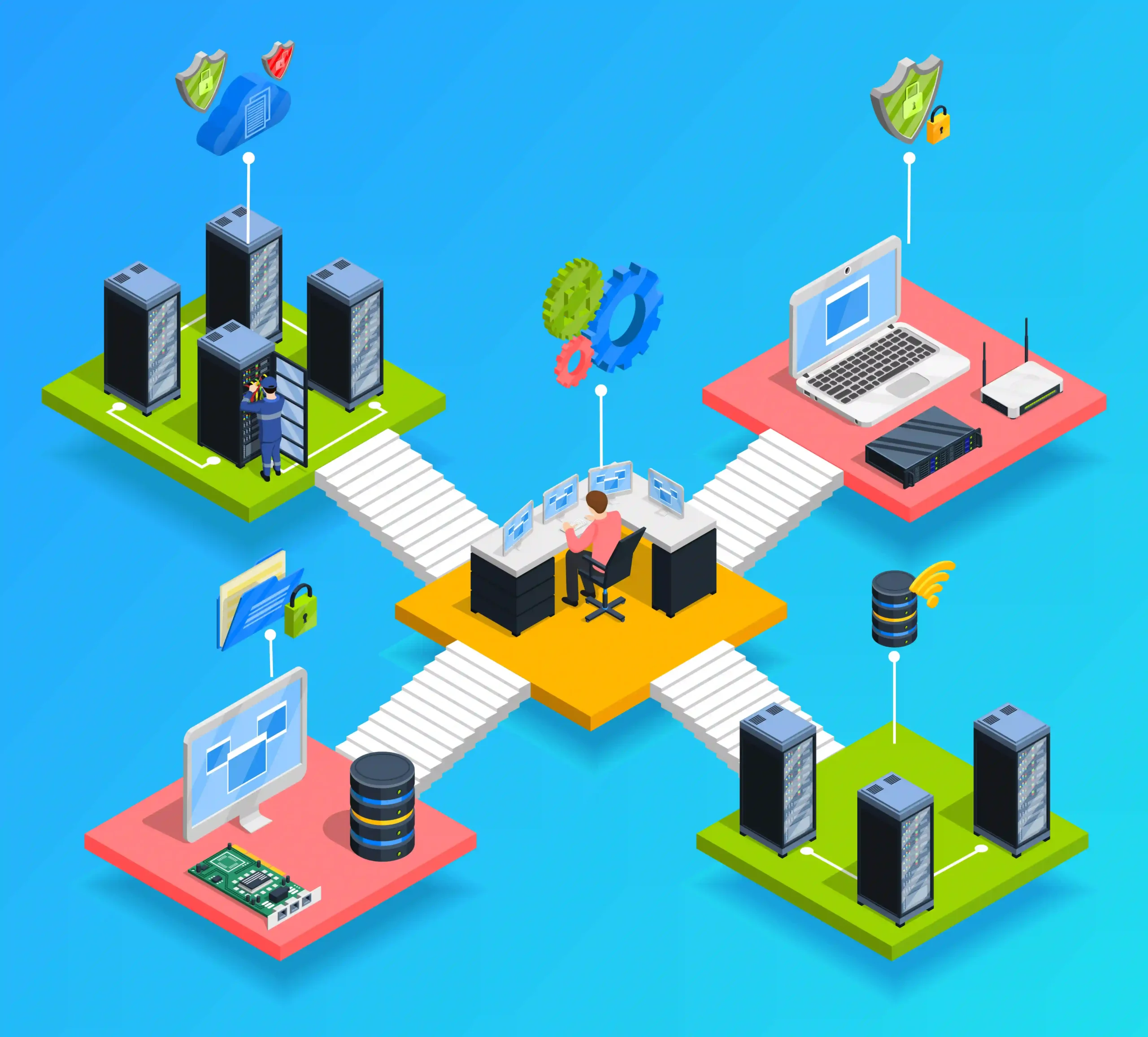

Endpoint Security is a cyber security approach that focuses on the protection of end-user devices (endpoints) connected to a corporate network.
In today's digital age, cyber threats are increasingly sophisticated and complex.
Device endpoint like a laptop, smartphone, and Internet of Things (IoT) it is a prime target for attacks because of its widespread nature and is often directly connected to corporate networks.
With increasing patterns of remote work and adoption Bring Your Own Device (BYOD), security risks are becoming increasingly high.
Thus, companies need to implement a strategy endpoint security to meet this challenge, as an important part of IT security policy.
Endpoint security it's not just about device protection, it's more about ensuring the integrity of company data is maintained.
Below, we will discuss more fully about the concept endpoint security, challenges facing the company, device security strategies, and how Audithink it can help you to protect endpoint effectively.
What Is It Endpoint Security and why is it important?

Endpoint Security, approach cyber security the focus is on End-User Device Protection (endpoint) connected to the corporate network.
Such devices include laptops, computers, smartphone, tablet/iPad, and IoT devices used in business operations.
Main Purpose Endpoint Security:
- Protecting corporate data from threats malware and information leakage.
- Prevent unauthorized access to the company's internal systems.
- Ensure the safety of employee devices, both corporate and private, to comply with safety standards.
Roles endpoint security very important, because these devices become the starting gate of the hacker to infiltrate into the corporate network.
Without adequate and maximum protection, a single device can become a huge gap in the security system.
Read Also: Zero Trust Security: definition, principles, and how is it implemented?
Challenges in securing endpoints in the Enterprise
Although important, securing endpoint in the corporate environment is not easy. Here are some of the main challenges that are often faced:
1. Attack Development Malware & Ransomware
Types of malware such as trojan, spyware, up to ransomware can attack endpoint directly.
Devices that are not protected or are not regularly updated, are particularly vulnerable to becoming an entry point for hacker.
2. Remote access & BYODBring Your Own Device)
Remote work trendsremote) make employees access company systems from multiple locations and personal devices.
Not all devices meet the same security standards, which can increase the risk of attack cyber.
3. Less Strict Supervision & Access Management
Companies often have trouble keeping track of which devices have access to internal systems.
Without monitoring the good, the internal threat (insider threats) and unauthorized use becomes more difficult to detect.
4. Non-compliance with Data security regulations
Various regulations such as ISO 27001, NIST, GDPR, and PDP law require companies to implement policies endpoint security tight.
Non-compliance with regulations can lead to fines, losses, and reputation degradation.
Strategies for securing endpoints in Internal audits
Companies need to adopt a protection strategy that is integrated with the internal audit system.
Intended to ensure endpoint security optimal running. Here are some strategies you can implement:
1. Policy Implementation Endpoint Protection
The company must have an official policy on the use of the device, access to the network, as well as maintenance endpoint security.
Included are BYOD policies and Device Encryption.
2. Data encryption & VPN usage
Use encryption on data stored on your device endpoint and apply VPN (Virtual Private Network) for remote connections, will protect data from eavesdropping and leakage in transit.
Read Also: Apa Itu Virtual Private Server (VPS)? How It Works & Functions
3. Multi-Factor Authentication (MFA)
Implement multi-factor authentication for login to enterprise devices and systems, providing an additional layer of security that makes hacker it is more difficult to penetrate the system.
4. Monitoring Aktivitas Endpoint Secara Real-Time

Using the system monitoring to detect suspicious activity directly is very important.
This allows the security team to act quickly before damage occurs.
5. Audit & Compliance Check Periodical
Conduct regular security audits with tools, or use services such as Audithink, can help your company verify that all devices are compliant with specified security policies and standards.
Internal audits also provide clarity on the effectiveness of policies implemented, and can reveal security gaps that may go unnoticed.
Automated digital-based audits provide high time efficiency, accuracy, and accountability.
In addition, employee training on the importance of endpoint security also plays a big role in maintaining system security.
Risk-conscious users will be more wary of actions that could compromise security company data.
How Does Audithink Help Secure Endpoints?

As a solution internal audit digital based, Audithink offers a variety of features that support endpoint security thoroughly. Here are some of its excellent features:
1. Endpoint Monitoring & Risk Assessment
Audithink can identify risky devices in the corporate network.
Based on complete data, Audithink's security team is used to making faster and more informed decisions.
2. Automated Compliance Audits
The Platform allows companies to conduct automated audits of all devices endpoint to ensure compliance with standards such as ISO 27001, NIST, and GDPR.
3. Incident Detection & Response
Audithink is able to detect suspicious activity and provide immediate response recommendations. This is very helpful in preventing the expansion of attacks.
4. User Access Control & Device Policy Management
Companies can manage user access and set device policies directly through platform.
This is important for regulating who can access what and from which devices.
5. Integration with other security systems (SIEM & EDR )
It can also be used with a variety of other security systems, such as security systems (Security Information and Event Management) and EDREndpoint Detection and Response), for more comprehensive protection.
Based on some of these advantages, Audithink is the right solution for companies that want to improve control, security, and efficiency in management endpoint.
Conclusion
Endpoint Security no longer an option, but an urgent need in a digital age full of cyber risks.
The company must be able to protect the devices used by employees from various threats such as malware, unauthorized access, up to the failure of regulatory compliance.
Challenges in managing endpoint can be overcome by the implementation of appropriate policies, and the use tools reliable audit.
Audithink present as a modern solution, which not only helps to monitor and audit endpoint, but also improve detection and response capabilities to threats.
Strategy implementation endpoint security strong, scalable, and regulatory - compliant will increase the resilience of your business and maintain customer trust.
Through a proactive approach and the right technology, companies can create safer systems, as well as productive work environments for employees.
Learn more How Endpoint Security it can improve the security of your business!
Optimize auditing and protection endpoint with demo services from Audithink – Try it now Free!
Visit Audithink Page to find out about various interesting offers and other useful articles!
Contact us here for more information!