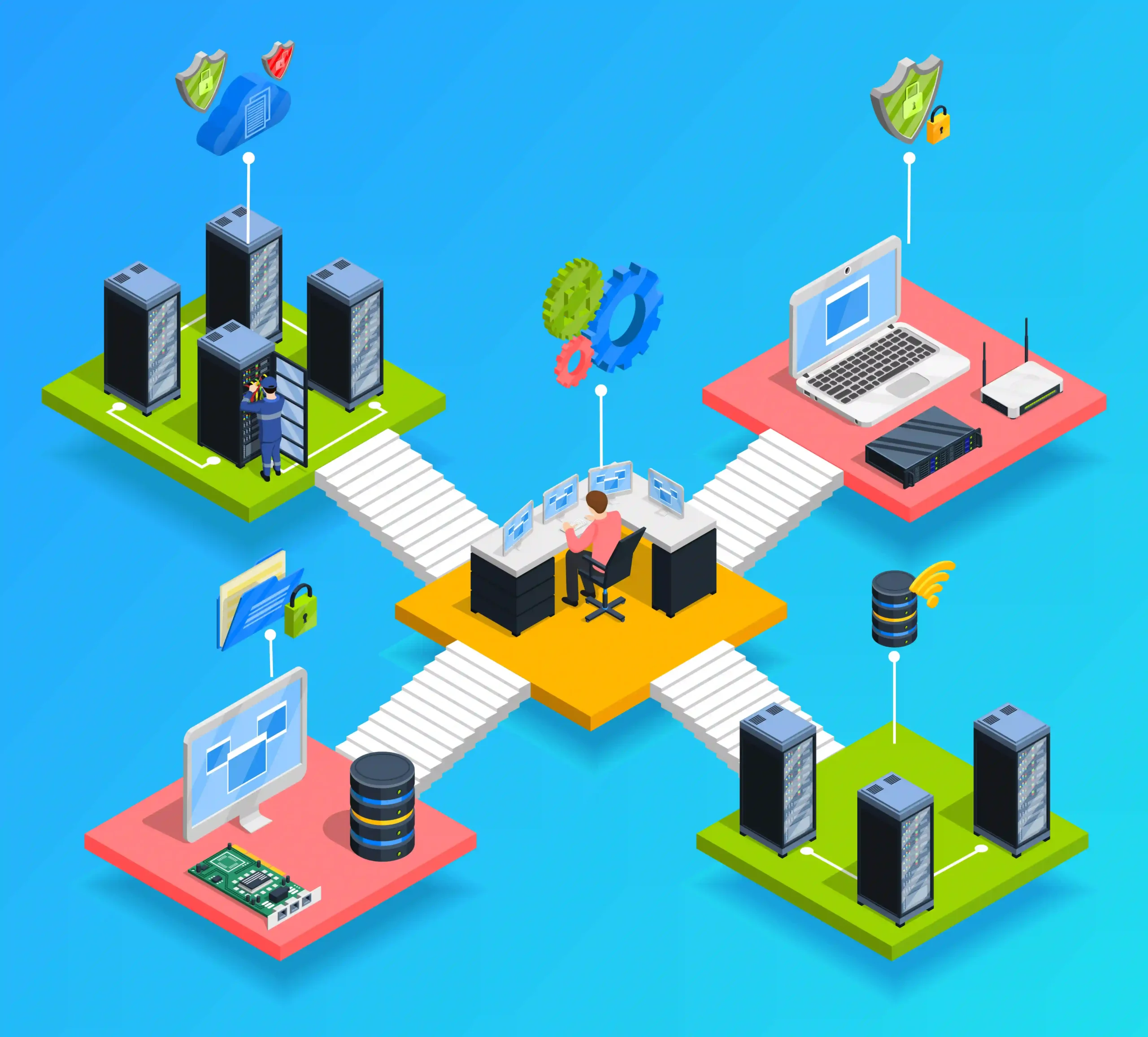
Integrated Risk Management (IRM) is an integrated approach in identifying, assessing, and managing the various risks facing the organization as a whole.
Unlike traditional silo risk management, IRM integrates all types of risk — strategic, operational, financial, and compliance — into one coordinated risk management framework.
What is Integrated Risk Management?
Integrated Risk Management is a comprehensive process that allows organizations to:
- Unify risk management across business units.
- Increase visibility of interconnected risks.
- Aligning risk management with the strategic objectives of the organization.
Why is Integrated Risk Management Important?
As the complexity of the business environment increases — from digital disruption to changing regulations — silo approaches to risk management are no longer effective. IRM allows companies to:
- Reduce duplication in risk management.
- Improve business resilience to cross-functional threats.
- Ensure risk-based decision making at all levels of the organization.
Key Components of Integrated Risk Management
1. Integrated Risk Framework
Organizations need to build enterprise-wide risk framework which governs how risks are identified, assessed, monitored, and reported.
2. Supporting Technology
Utilizing risk management software is key to automating reporting, risk analysis, and collaboration between teams.
3. The Culture Of Risk
Building a risk-conscious organizational culture is important to ensure IRM runs effectively. This includes training, Open risk communication, and cross-functional accountability.
4. Leadership and governance
Senior management should be actively involved in the IRM process, with oversight from the risk governance unit and internal audit.
Steps for Implementing Integrated Risk Management
1. Identify Risks Holistically
- Use a top-down and bottom-up approach to collect risk data from all levels of the organization.
- Engage stakeholders across functions.
2. Classification and Risk Assessment
- Use the probability-impact matrix to evaluate risk.
- Categorize risks by type: strategic, operational, financial, compliance, IT, reputation.
3. Integration with strategic objectives
- Connect the risk map with the business plan.
- Ensure risk mitigation supports the success of the organization's goals.
4. Continuous Monitoring and reporting
- Use real-time data-driven dashboards for risk reporting.
- Involve the risk committee or board of directors for periodic review.
5. Continuous evaluation and improvement
- Regularly review the effectiveness of controls.
- Adjust the risk strategy according to external and internal changes.
Benefits of Implementing Integrated Risk Management
a. Increase Organizational Resilience
IRM helps organizations adapt more quickly to crises such as pandemics, regulatory changes, or digital disruptions.
b. Support Decision Making
Integrated risk Data strengthens the process of strategic planning and resource allocation.
c. Operational Efficiency
Reduce duplication of functions, improve collaboration between units, and save on risk management costs.
d. Regulatory Compliance
Helps organizations meet compliance standards such as ISO 31000, SOX, and other industry regulations.
Case study in the implementation of IRM in the company
A national manufacturing company implements IRM to integrate product quality, supply chain, and IT security risks. As a result, they managed to reduce the incidence of production disruptions by 30% in one year.
Challenges in implementing IRM
- Cultural resistance to change.
- Lack of Risk Information System Integration.
- Limited resources and risk management expertise.
Technology Solutions for Integrated Risk Management
One way to overcome such challenges is to use specialized IRM software. Platforms such as Audithink provides features for:
- Centralized risk documentation and tracking.
- Analysis and visualization of risk maps.
- Cross-divisional collaboration in risk mitigation.
- Automated reporting and a complete audit trail.
Enjoy various conveniences in auditing using Audithink
Integrated Risk Management is a modern approach to managing risk thoroughly and strategically. With proper implementation, organizations can improve resilience, efficiency, and competitiveness in an environment of uncertainty.
Want to find out how IRM solutions can be implemented in your organization? Visit Audithink home page or schedule a demo with our team today.