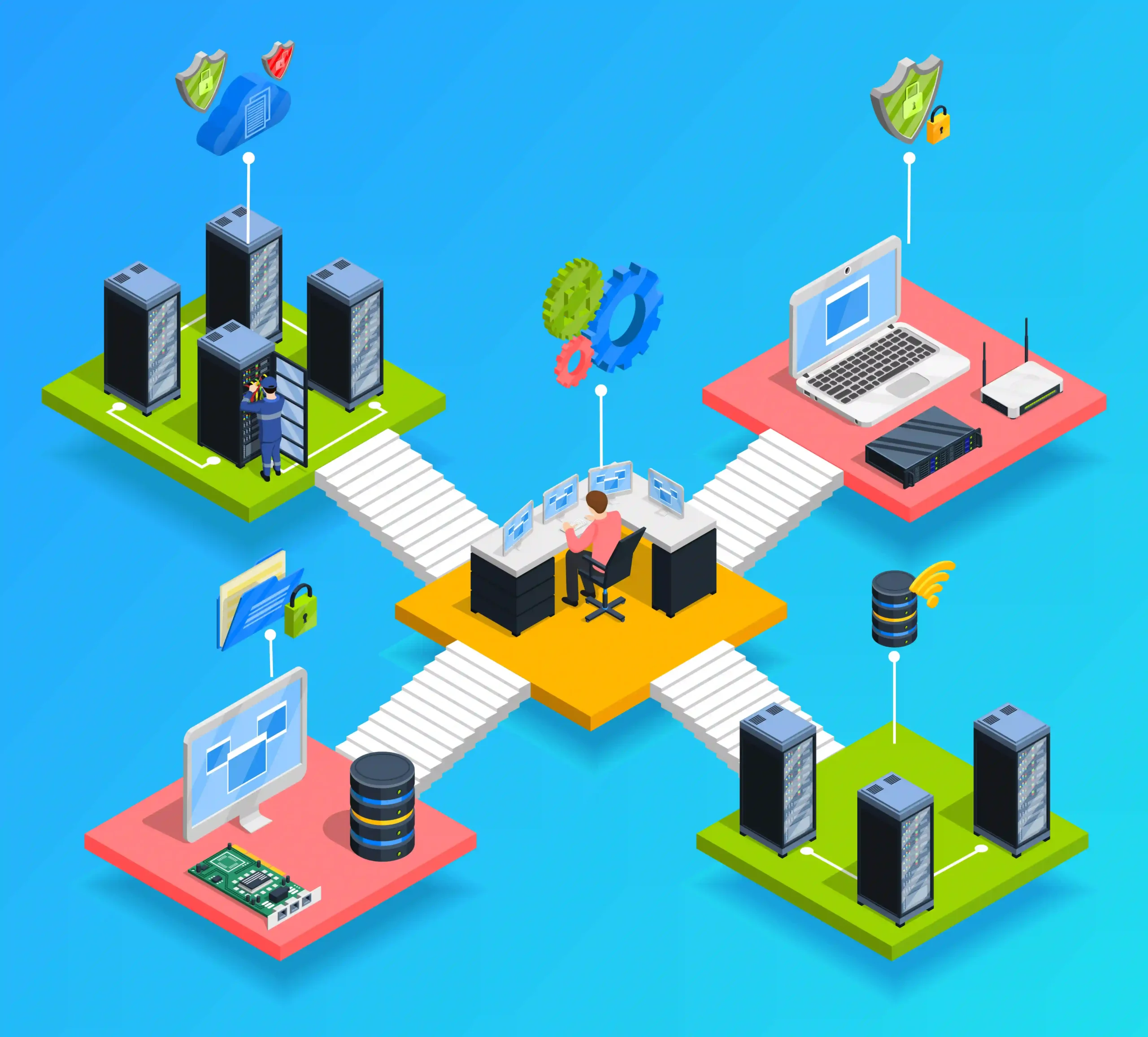
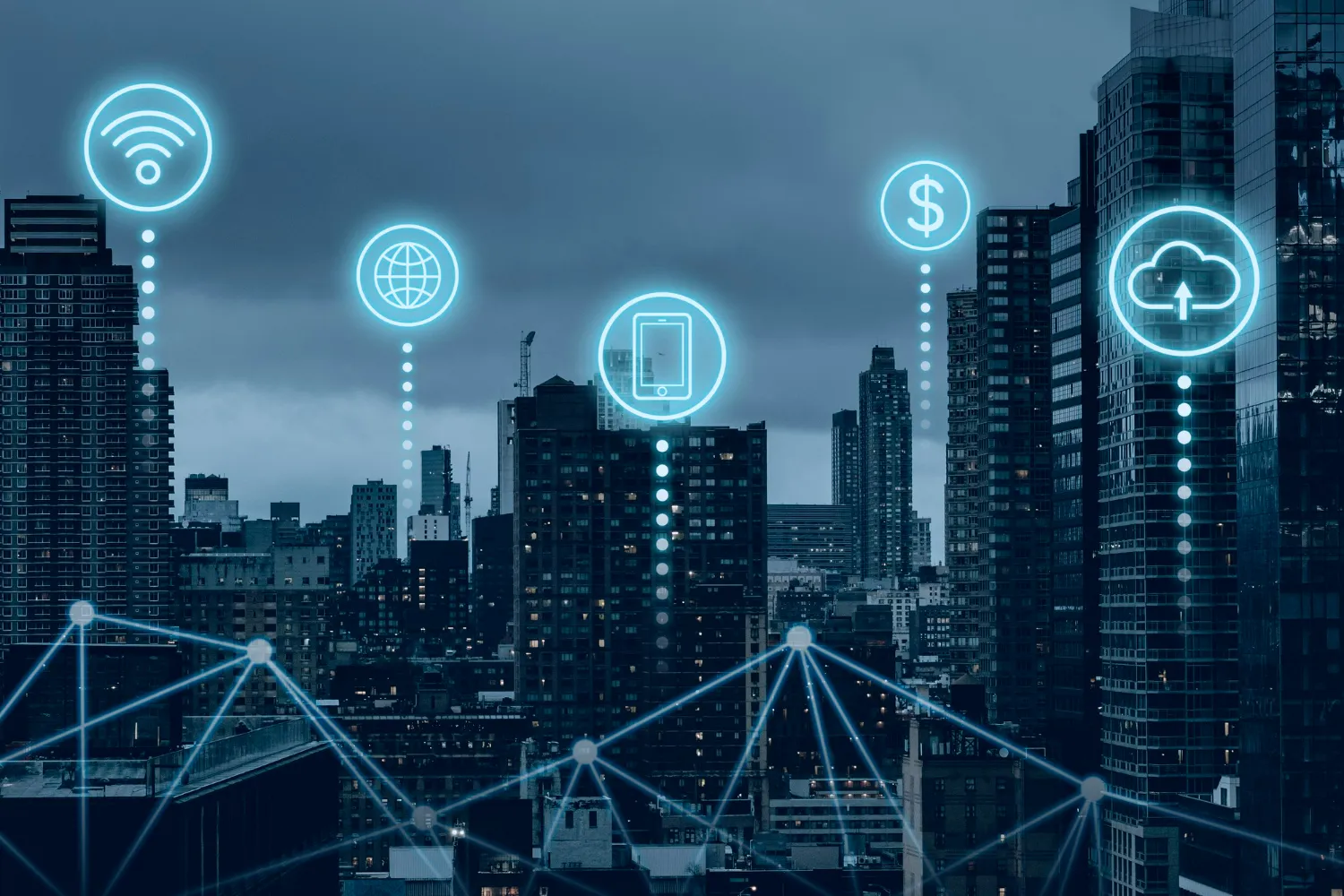
The Internet of Things (IoT) has become one of the revolutionary technologies that is changing the way we interact with the digital world. This once futuristic-sounding concept has now become an integral part of everyday life.
From smart homes to Smart Cities, IoT delivers innovative solutions that increase efficiency, convenience, and productivity in different aspects of life.
Over time, technology continues to undergo development and evolution to this day. Even now it appears artificial intelligence or AI and also IoT.
In this topic we will discuss about IoT or Internet of Things. What is it Internet of Things? Let's see together!
What is Internet of Things?
IoT or Internet of Things is a concept that involves interconnected devices as a means of internet-based communication.
With IoT, users can connect and communicate to perform various activities, as well as search, process, and transmit information automatically.
When it comes to IoT, this concept looks almost similar to M2M (Machine-to-Machine). However, these two concepts have differences in terms of their scale and scope of use.
M2M refers to a technology that allows communication between devices without any human intervention. In other words, M2M more emphasis on machine operations in running a program.
History Internet of Things
The concept of the Internet of Things (IoT) was first proposed by Kevin Ashton, a technology pioneer from England, in 1999 when he worked at the Auto-ID Center Massachusetts Institute of Technology (MIT).
He suggested that objects or objects can communicate with the internet through sensors installed, so they can connect with other devices.
At that time, IoT was not yet widely discussed and there was no technology that could realize the concept. The growing presence of sensor technology and wireless networks in the early 2000s paved the way for the realization of IoT.
As time goes by, more and more companies and developers are interested in developing IoT, so this concept is growing and becoming very important in today's digital age.
Main Components Of IoT Systems
IoT systems consist of four main components that work synergistically:
1. Sensors and devices
Sensors and devices are the first elements in charge of collecting data from the surrounding environment. The Sensor can detect various parameters such as temperature, humidity, movement, light, and more.
2. Connectivity
Connectivity allows IoT devices to communicate with other systems. Commonly used connectivity technologies include WiFi, Bluetooth, cellular, satellite, and IoT-specific communication protocols such as LoRaWAN and Zigbee.
3. Data Processing
Data processing occurs when the data collected by the sensor is processed and analyzed. This process can be done on the device itself (edge computing) or on a cloud server.
4. User Interface
User interfaces provide a way for users to interact with IoT systems, typically through mobile apps, web dashboards, or automated notifications.
Benefit of Internet of Things
Following benefits Internet of Things that we can among others:
1. Efficiency and productivity
Internet of Things enables devices to communicate and interact automatically, thereby increasing efficiency and productivity in business and industry.
2. Affordability
The next benefit of the Internet of Things is that IoT technology is becoming increasingly affordable and accessible, so it can be applied at various scales, ranging from small to large businesses.
3. Convenience and comfort
IoT enables remote control and automation of many devices, providing convenience and comfort in everyday life.
4. Energy Saving
The Internet of Things plays a role in energy savings, which in turn reduces operational costs and the impact on the environment.
5. Security Upgrading
The next benefit of the Internet of Things is that it can improve security through automated monitoring and early detection systems.
6. Data and analytics
Benefit of Internet of Things next is to generate data that can be processed for analysis and better decision making in various sectors, including business and industry.
7. Improved Quality Of Life
IoT can be used to improve the quality of life through health systems and smart homes, as well as help address a wide range of Health and environmental issues.
How It Works Internet of Things
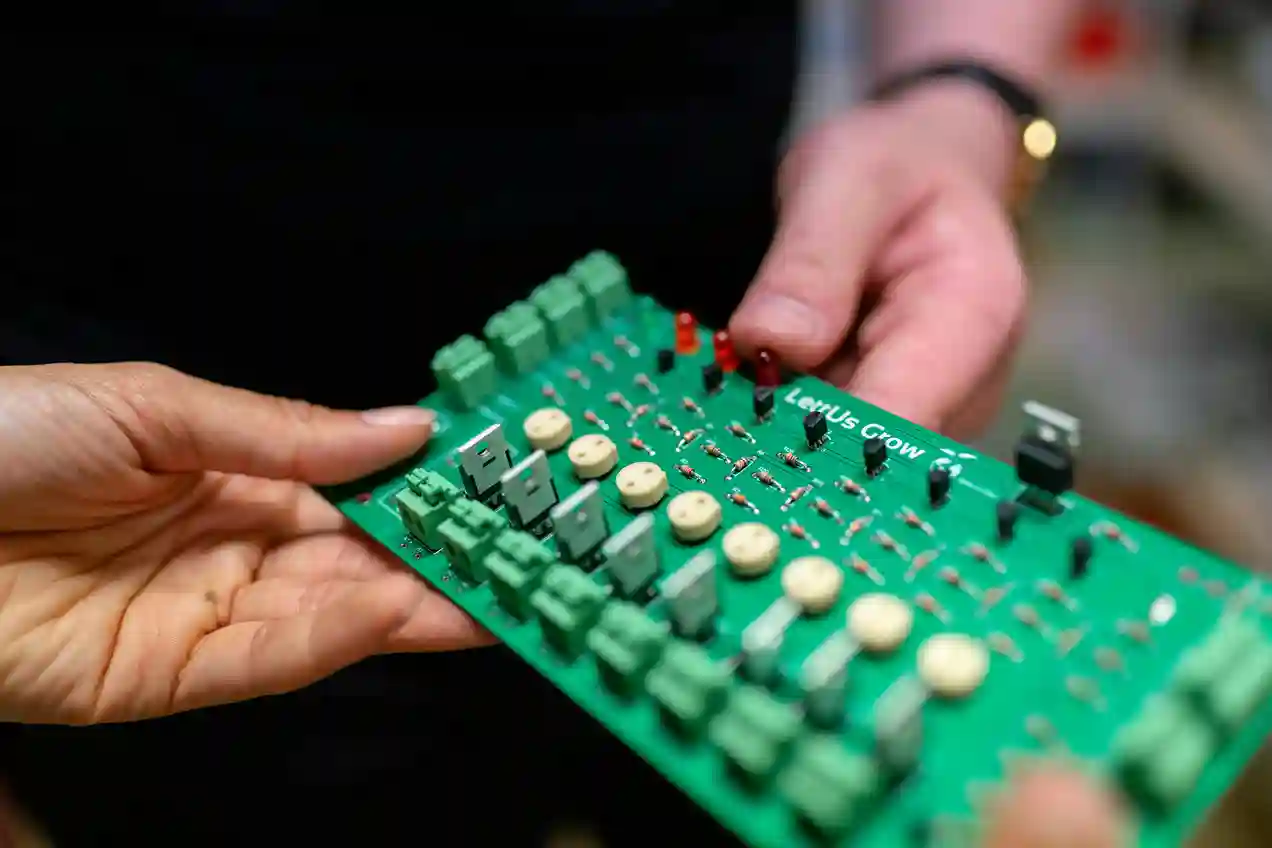
How it works Internet of Things (IoT) relies on internet connections and sensor technology. First, IoT devices are equipped with sensors that can detect various types of data, such as temperature, humidity, light, and movement. The Data collected by these sensors is then sent to server through an internet connection.
Servers that receive data from IoT devices will process that information to produce certain conclusions or decisions, a process often known as "analytics.” The results of this analysis are then sent back to the IoT device so that they can be applied in the system or device.
As a simple example, consider a smart thermostat connected to a heating or air conditioning system. Thermostat it will measure the temperature in the room and transmit that data to the server.
After that, the server will process the information and determine whether heating or cooling devices need to be turned on or off. This decision is further sent back to the thermostat for implementation in the heating or air conditioning system of the room.
In general, IoT allows devices to connect and communicate with each other in achieving specific goals, such as energy savings, increased production efficiency, or increased convenience for users.
Examples Of Implementation Internet of Things
Here are some examples Internet of Things in everyday life.
1. Business
In the business world, IoT plays an important role in increasing the productivity and efficiency of company operations.
Machines or devices in a business can be connected to an IoT network, enabling real-time performance monitoring. For example, in the oil and gas industry, IoT can be used to directly monitor the performance and inventory levels of equipment.
Thus, the utilization of human resources can be minimized, and the focus can be more directed to the use of devices or machines. Even more complex projects can be managed by software or hardware connected to a server.
2. Education
The education sector also utilizes IoT systems in the implementation of various activities.
Generally, school or campus institutions use IoT networks for administrative matters, libraries, student and staff attendance management, and more. All these activities are connected to the internet and display data real-time.
3. Health
Application of IoT in the field of health allows medical personnel to monitor the health condition of patients directly or operated.
Important information, such as disease history and blood pressure levels, can be easily monitored using a device connected to the system. In addition, the development of IoT in the health sector is growing rapidly, especially in the application of AI technology and nurse robots, which can help in administrative processes, services, to medical actions for patients.
4. Smart Home
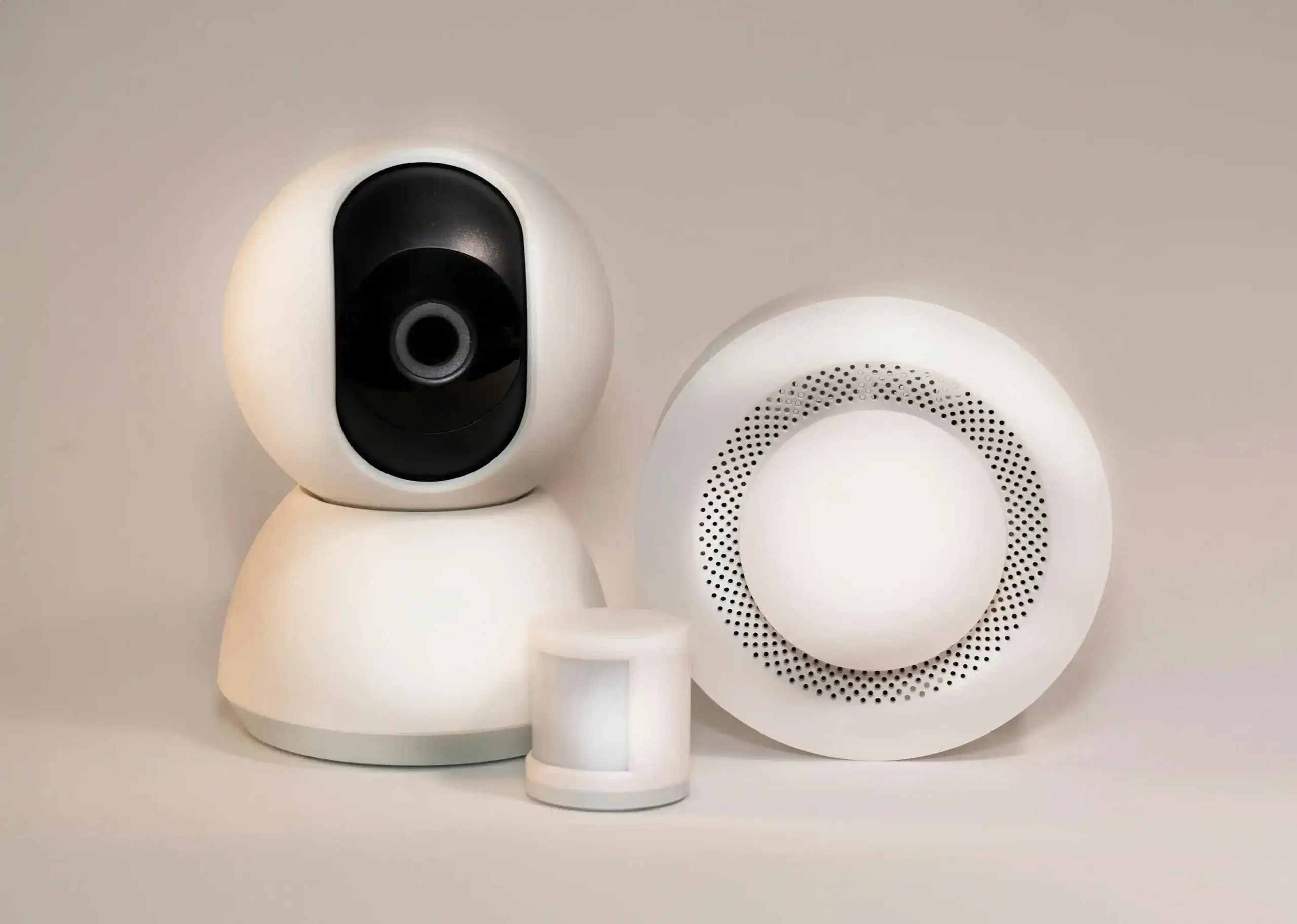
Smart home technologies such as automatic lights, smart thermostats or smart speakers allow home residents to control devices with just a smartphone or voice.
5. Transportation and logistics
Real-time vehicle fleet tracking, route optimization, and temperature sensors on food delivery trucks are examples of IoT applications in logistics.
6. AgricultureSmart Farming)
Farmers use IoT sensors to monitor soil moisture, temperature, and air humidity, to automatically determine watering or fertilizing times.
7. UrbanSmart City)
Street lights that turn on automatically when there are vehicles, smart parking systems, and traffic monitoring are all part of IoT-based smart cities.
Tantangan dalam Implementasi Internet of Things
Although it brings many benefits, IoT implementation cannot be separated from challenges, such as:
- Data security and Privacy
IoT devices are vulnerable to cyberattacks, and user data must be properly protected. - Device Compatibility
Different manufacturers make different device standards. This can make integration difficult. - Infrastructure Limitations
Not all regions have a stable internet connection to support IoT technology. - Initial Implementation Costs
The initial investment to implement an IoT system can be quite high for a small company.
Audithink Is Ready To Help Your Internal Audit Team Needs!
The Internet of Things (IoT) is not just a technological trend, but a revolution that is changing the way we live, work and interact. By connecting physical devices to the internet, IoT provides greater efficiency, convenience, and control over the environment around us.
Although it still has challenges, the development of IoT will continue to accelerate as network technology and artificial intelligence progress.
Want to implement IoT solutions for your business? Expert team Audithink ready to help develop an Internet of Things-based system that is safe, efficient, and as needed. Contact contact us and consult immediately!