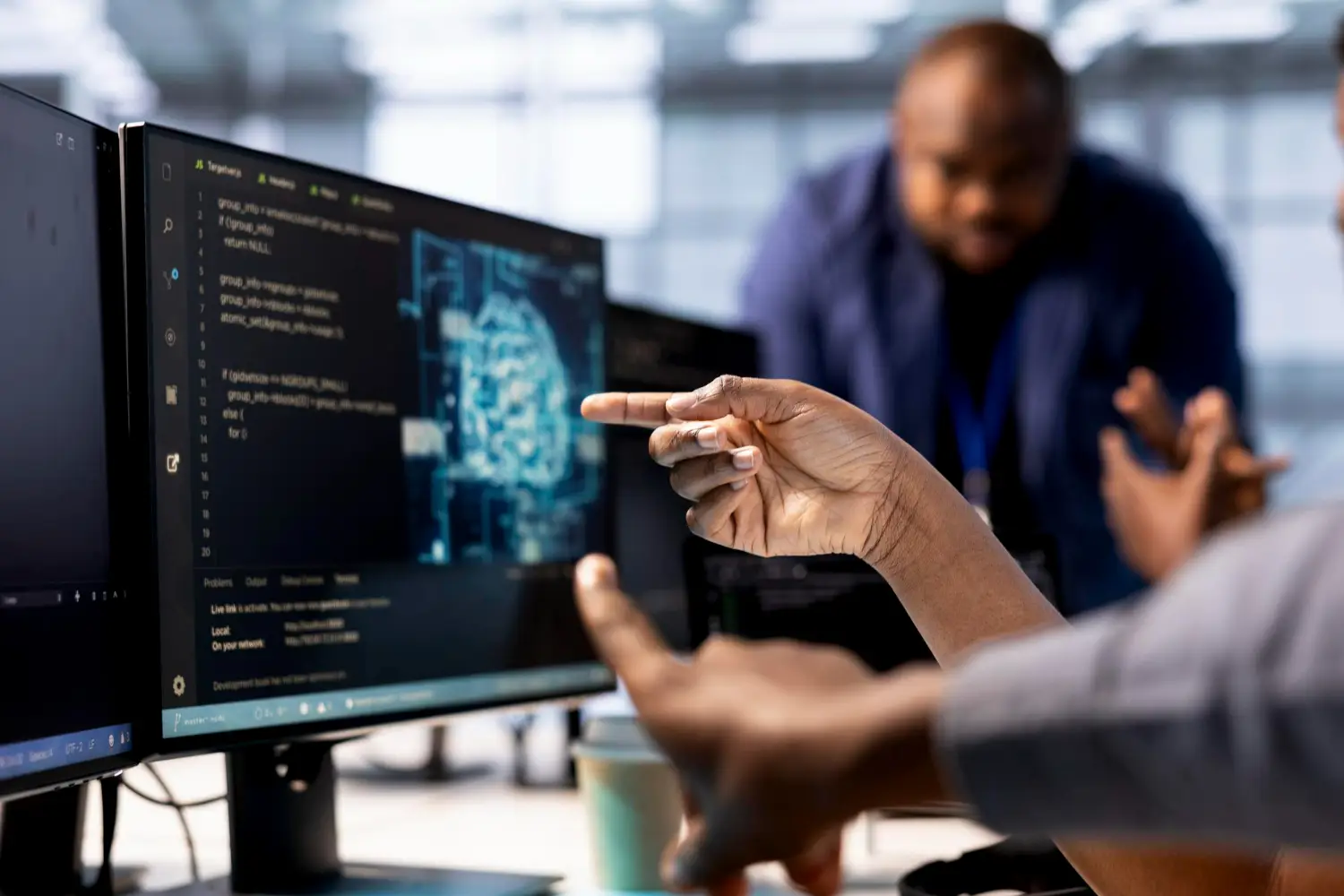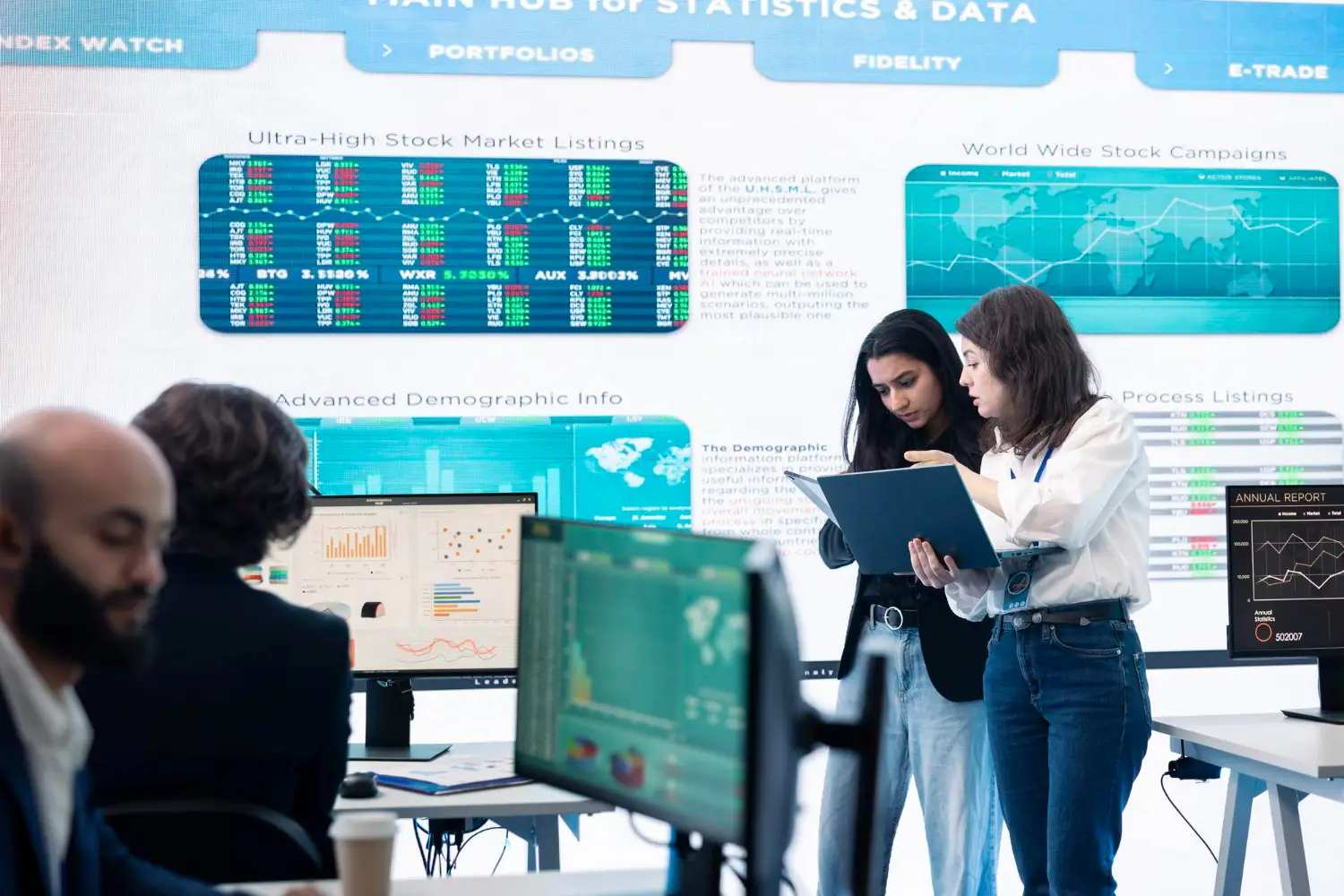

Management Information Systems help companies manage data, improve efficiency, and support informed decision-making.
What Is A Management Information System?
Management Information System (MIS) is an integrated system that combines information technology, human resources, and work procedures to generate, manage, and disseminate relevant information in support of the company's managerial functions.
SIM works by collecting data from various departments, processing it into useful information, and distributing it to managers and related parties so that decision making can be done more accurately and efficiently.
In practice, Sims are not only used to store data, but also analyze important patterns in business operations and predict future trends.
SIM helps companies in formulating strategies, evaluating performance, and maintaining the integrity and security of organizational information.
A well-designed SIM can serve as a competitive advantage by enabling businesses to respond quickly to market changes and customer needs.
Management Information Systems According To Experts
1. Laudon & Laudon
According to Laudon & Laudon, a management information system is a computer-based system that provides information for managers for decision-making. The system is designed to support planning, control, and operational functions within the organization.
2. Raymond McLeod
Raymond McLeod states that SIM is a computer-based system that generates information according to the needs of management of various levels. This system also serves as an auxiliary tool in the control and coordination of business activities.
3. Gordon B. Davis
Gordon B. Davis defines a SIM as an integrated system that provides information to support an organization's planning, control, and operations. The resulting information can be used for a variety of managerial needs at all levels.
Management Information System Objectives
The primary purpose of a Management Information System (SIM) is to provide managers with the information they need to make quick and accurate decisions. In addition, an MIS aims to:
- Improve work efficiency and productivity
- Provides historical data for analysis
- Support the preparation of business strategy
- Improve service to customers and stakeholders
Management Information System Functions
SIM performs various important functions, including:
- Data collection from various sources
- Information processing into an easy-to-understand format
- Distribution of information to those in need
- Data storage that is secure for long term
These functions support the strategic objectives of the organization and ensure business continuity.
Benefits Of Management Information Systems For Companies
1. Improve Operational Efficiency
Management Information Systems help companies automate various business processes so that time and operational costs can be reduced. This efficiency has a direct impact on increasing productivity and reducing human error.
2. Accelerate Decision Making
With real-time, structured information, management can make faster and more accurate decisions. Decisions based on actual data are also more accountable.
3. Integrating Information Between Departments
SIM enables all departments within the company to access the same data, thereby preventing miscommunication. This integration helps cross-functional coordination run more effectively.
4. Improve Data Security
Management information systems are equipped with access controls and data backups that keep company information secure. It is important to maintain the confidentiality and integrity of business data.
5. Helps Business Predictions
The historical Data stored in the SIM can be used to analyze trends and make future business projections. This predictive analysis helps companies in strategic planning.
Management Information System Components
SIM consists of five main components:
- Hardware: Hardware such as computers, servers, printers, and other input-output devices.
- Software: Applications or systems such as ERP, CRM, or software specific to a particular industry.
- Database: Information storage system that can be accessed and analyzed.
- Network and communication: Infrastructure that allows the exchange of information between parts.
- People/User: System users, including operators, analysts, and managers.
Table of SIM components and their functions
| SIM components | Main Function |
|---|---|
| Hardware | Running processing and input/output |
| Software | Process data and generate reports |
| Database | Storing and managing data |
| Network | Connecting users and systems |
| People/User | Operate and utilize the system |
Examples of Management Information Systems in the real world

Here are some examples of applying for a driver'S license:
- SIM Hospital (SIMRS): Managing medical records, doctor schedules, and patient billing.
- Academic Information System: Used to manage lecture schedules, student data, and grades.
- Warehouse Management System: Organize logistics, inventory, and delivery of goods.
- Financial Information System: Assist in accounting, tax, and financial statements.
Types of reports generated by the Management Information System
SIM generates various reports that help decision making, such as:
- Daily Reports: Contains daily operational activities.
- Financial Statements: Such as income statement and balance sheet.
- Performance Report: Shows the performance of a division, employee, or project.
- Predictive Reports: Contains trend predictions and business projections.
Types Of Management Information Systems
Some of the most common types of SIMs are:
- Transaction Processing System (TPS): Handle routine transactions such as sales.
- Management Information System (MIS): Provide managerial information based on operational data.
- Decision Support System (DSS): Support the decision-making process.
- Executive Information System (EIS): Provide concise and visual data to top management.
Application of Management Information Systems in various industries
Management information systems are widely applied in various industrial sectors and their forms can be adapted to the needs of each field. Here are examples of forms of application of a driver'S license in some industries:
1. Manufacturing Industry
In manufacturing, SIMs are used to manage production processes, inventory and distribution of goods. This system makes it easy to track raw materials to finished products.
2. Retail Industry
Retail utilizes SIMs to monitor sales, manage inventory, and manage customer loyalty programs. With SIMs, store managers can optimize operations and improve customer experience.
3. Education Industry
Educational institutions use SIM as an academic information system to manage lecture schedules, grades, and student data. This helps the campus administration run more efficiently.
4. Healthcare Industry
The health sector uses SIM in the form of Hospital Information Systems (SIMRS) to organize medical records, doctor schedules, and billing systems. It supports more coordinated and transparent medical services.
5. Financial Industry
In the world of finance, a driver'S license helps record transactions, organize financial statements, and ensure compliance with regulations. This is very important for accurate financial decision making.
Challenges in the implementation of Management Information Systems
While useful, SIM implementation faces some challenges:
- Implementation Costs: The initial investment is often high.
- HR training: Users require intensive training.
- Organizational Culture Change: SIM demands the transformation of business processes.
- Data Security: The system should be protected from cyber threats.
Tips for choosing the Right Management Information System
To select a SIM, consider the following:
- Define your business needs specifically.
- Evaluation of software features and flexibility.
- Ensure the presence of support and training services.
- Checks security, compliance, and system integration.
Audithink Helps Your Business Internal Audit Management System Needs!
Management Information Systems are becoming an important part of a company's digital transformation because of their ability to simplify workflows, accelerate decisions, and improve information security.
With a good understanding of the definition, benefits, components, and application of SIM, companies can choose and implement the system that best suits the needs of their organization.
If you want an optimal and Secure Information Management System, visit our main page at Audithink.com or contact our team immediately via Contact to get the best digital solution for your business.