
In the era of digital transformation, companies are increasingly relying on technology to improve productivity and work efficiency. One technology approach that is now a concern is end user computing (EUC).
This concept allows end users to be directly involved in the development and use of an application or system, without having to rely entirely on the IT team.
This article will thoroughly review what end user computing is, its benefits to the organization, as well as how end user computing satisfaction is an important aspect that needs to be measured.
What is End User Computing?
Definition of End User Computing
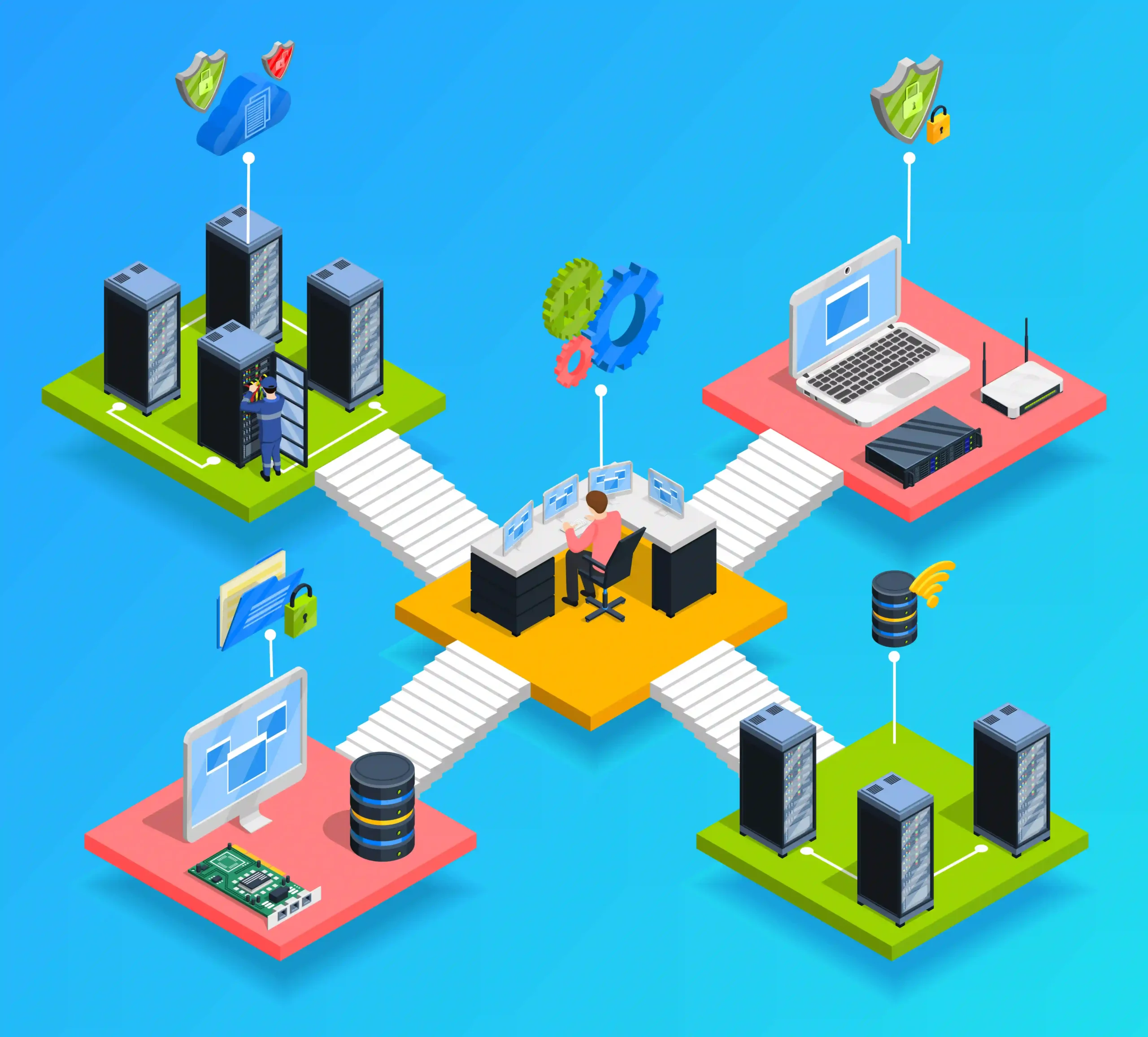
End user computing (EUC) is a technological approach in which end users have control or influence over the computing systems and tools they use in their daily work activities. EUC includes hardware, software, and applications used by non-technical users to process data, create reports, or manage work tasks.
Common examples of EUC include:
- Use of spreadsheets for data analysis
- Pembuatan dashboard dengan tools seperti Power BI atau Tableau
- Use of automation applications such as Zapier or Microsoft Power Automate
End User Computing Is a Pillar of Distributed Technology
In a broader context, end-user computing is part of a distributed IT strategy, enabling workers to gain flexibility and speed in completing digital tasks independently.
Benefits of End User Computing for organizations
1. Increase Employee Productivity
By having direct access to relevant tools, employees can get work done without having to wait for the IT team to build a solution.
2. Flexibility at work
EUC allows employees to work from a variety of devices and locations. This is especially relevant in the era of hybrid and remote work.
3. Reduce the burden on the IT team
By encouraging users to create their own solutions (self-service), IT teams can focus more on infrastructure and security strategies.
4. Driving innovation from the bottom up
Front-line employees often know operational challenges well. EUC gives them the tools to develop real needs-based solutions.
5. Quick adaptation to change
With EUC, companies can more quickly respond to changing business processes or market needs without having to wait for the conventional software development cycle.
Risks and Challenges of End User Computing
a. Lack Of Standardization
Because they are created by non-technical users, EUC solutions are often poorly documented or do not meet enterprise security standards.
b. Data Security Potential
Unattended use of apps can open security gaps, especially if sensitive data is stored in private files or public clouds.
c. Dependence on the individual
A solution built by one individual can become problematic when that person is no longer working in the organization.
For this reason, a good EUC management policy is needed, including training, documentation, and supervision from the IT team.
End User Computing Satisfaction Is an Important Indicator
What is End User Computing Satisfaction?
End user computing satisfaction is the level of satisfaction of end users with the systems, devices, and applications they use. It reflects the extent to which systems support their work effectively and efficiently.
Why is EUC Satisfaction Important?
- Shows whether it investments are on target
- Identifying barriers to productivity
- Be the basis of evaluation for System Improvement and training
End User Computing Satisfaction Method
There are several approaches that can be used to measure end user computing satisfaction, among them:
1. User Satisfaction Survey
It uses structured questionnaires that measure user perceptions of system reliability, ease of use, technical support, and effectiveness.
2. EUCS Method (End User Computing Satisfaction Model)
This classic Model was developed by Doll & Torkzadeh (1988) and includes five dimensions:
- Content (content and information generated)
- Accuracy
- Format (Data Display)
- Ease of use (kemudahan penggunaan)
- Timeliness (timeliness of information)
3. Interviews and Focus Groups
This technique is suitable for gaining a deeper insight into the user experience, especially in the implementation of new systems.
4. Analysis Of System Usage
Track login activity, feature usage frequency, or in-app feedback as an indicator of satisfaction.
Best Practices For Managing End User Computing
a. User education and training
Provide training on the tools used, as well as how to build simple solutions such as dashboards or automated forms.
b. Implementation of the EUC policy
Establish security, documentation, and oversight standards for each user-generated solution.
c. Collaboration between IT and End Users
Create a collaborative environment between users and IT teams, to keep built solutions aligned with the company's technology policy.
d. Use a platform that supports EUC securely
Choose tools that are natively designed for the end user but still have good security controls.
Recommended platforms to support EUC
Several technology platforms are now designed to accommodate the needs of end users while maintaining IT governance.
1. Audithink – Solusi Audit dan Akses End User Terpadu
Audithink not only does it support the internal audit process, but it also accommodates end user computing through dashboard features, Role-Based Access Control, and user activity tracking.
This allows end users to perform auditing or reporting functions independently, without abandoning security and compliance aspects.
2. Microsoft Power Platform
Termasuk Power Apps, Power BI, dan Power Automate yang memungkinkan user membangun aplikasi, laporan, dan alur kerja otomatis tanpa coding.
3. Google Workspace
It offers cloud-based collaborative spreadsheets, forms, and presentations that are widely used in EUC solutions.
4. Zoho Creator
A low-code Platform that can be used by non-technical users to build data-driven applications.
Start Consulting Audit Software Needs With Audithink
End user computing is an important approach in driving efficiency, innovation, and productivity in the modern work environment. Although it has its own challenges, proper implementation with the support of appropriate policies, training, and technology will have a positive impact on the organization.
Understanding end user computing satisfaction is a strategic step to measure and improve the digital work experience.
One platform that can support this approach safely and efficiently is Audithink, which not only focuses on internal auditing but also provides flexibility for users in managing digital work processes.
Wondering how Audithink can improve EUC efficiency and control in your organization? Visit Audithink or request demo today to get a reliable and user-friendly integrated solution.