

Agile auditing is used as a modern, adaptive and collaborative audit approach to improve efficiency, added value, and response to business risks.
In an era of fast-paced business and full of uncertainty, adaptive and collaborative audit approaches such as agile audit are key to maintaining efficiency, accuracy, and strategic value in the company's internal oversight.
Understanding Agile Auditing
Agile audit is a modern approach to the audit process that adopts agile principles from the world of software development.
The concept emphasizes flexibility, collaboration, and rapid response to risk and change. If the traditional audit is done with a linear process and a long cycle.
Agile audits rely on short cycles (sprints), regular communication between teams, and continuous evaluation to provide fast and relevant insights to management.
In other words, agile audit means conducting audits more adaptively, by actively and sustainably involving various stakeholders.
This approach not only speeds up the audit process, but also increases the added value of the audit itself as it focuses on the highest risk areas that are developing.
Perbedaan Agile Audit vs Traditional Audit
The main difference between agile audit vs. traditional audit lies in the approach, structure, and the way the audit team interacts with the organization:
| Aspect | Traditional Audit | Agile Audit |
|---|---|---|
| Approach | Linear & Fixed Cycle | Iteratif (Sprint-Based) |
| Flexibility | Limited | Highly Adaptive |
| Collaboration | Minimum | Intensive and continuous |
| Feedback | After the audit is completed | Each end of the sprint (periodic) |
| Risk Focus | Comprehensive (general) | Focus on rising risks |
| Added Value | Documentation of audit results | Insight strategis dan real-time |
By using agile auditing, organizations can more quickly react to dynamic changes in risk, especially in the fast-paced and digital modern business environment.
Benefits of Agile auditing for Audit Management Efficiency
Agile auditing brings many tangible benefits to the internal audit team and company management, especially in the context of efficiency:
- Faster response to risk: With the sprint system, audits can focus on emerging risks, not just those that are planned annually.
- Time and resource efficiency: Audit sprints are usually only 1-4 weeks, compared to traditional audits that can last for months.
- Increased cross-departmental collaboration: This method encourages intensive communication between the audit team and the process owner.
- Higher added value: Reports and recommendations are more relevant and real-time, so that management can follow up immediately.
Read Also: Management Audit: Definition, 7 Objects, Functions, & Application
How To Start Agile Auditing
In order for the method to run optimally, there are several implementation steps that need to be considered:
- Form a cross-functional team: Involve internal auditors, process owners, and key stakeholders.
- Determine the audit backlog: Make a priority list of areas to be audited based on the highest risk.
- Plan an audit sprint: Perform audit planning for a short period (1-4 weeks).
- Jalankan daily meeting: Perform daily evaluations to determine obstacles and progress.
Sprint review dan retrospektif: Evaluate the results of the sprint and look for improvement opportunities for the next sprint. - Use of digital tools: Take advantage of audit management applications such as Audithink to manage backlogs, audit board visualization, and automated reports.
What are examples of Agile auditing in practice?
Examples of agile audit implementation can be found at:
- Audit IT dan Keamanan Siber: This Area is so dynamic that the sprint approach is very effective for responding to new threats.
- Compliance Audit (Compliance Audit): This allows the organization to monitor compliance more continuously
- Audit Mutu Internal (Quality Audit): Audit sprints focus on the key processes that have the most impact on quality.
PwC studies show that the implementation of audits in a modern way can reduce audit time by 20% and increase the effectiveness of risk monitoring by 30%.
How to measure the success of Agile auditing in the Enterprise
To measure the effectiveness of the development of this method, the following metrics can be used:
- Audit cycle time: How quickly audits are completed from planning to reporting.
- Number of audit backlogs completed: Measure the volume of work in the sprint period.
- Tingkat feedback stakeholder: Indicators of satisfaction and involvement of related parties.
- Response time to new risks: How quickly audits respond to new risks compared to traditional methods.
Challenges and solutions when using Agile auditing
Some common challenges in agile audit implementation include:
- Organizational culture is not agile: Many organizations still think linearly.
- Solutions: Internal education and support from top management is very important.
- Scope creep: Risk of audit coverage changes during the sprint.
- Solutions: Set clear boundaries for each sprint and use a structured backlog.
- Lack of supporting technology: There are still many audit teams that use manual tools.
- Solutions: Use an auditing application such as Audithink to simplify audit automation and visualization.
The Role Of Audit Management Software
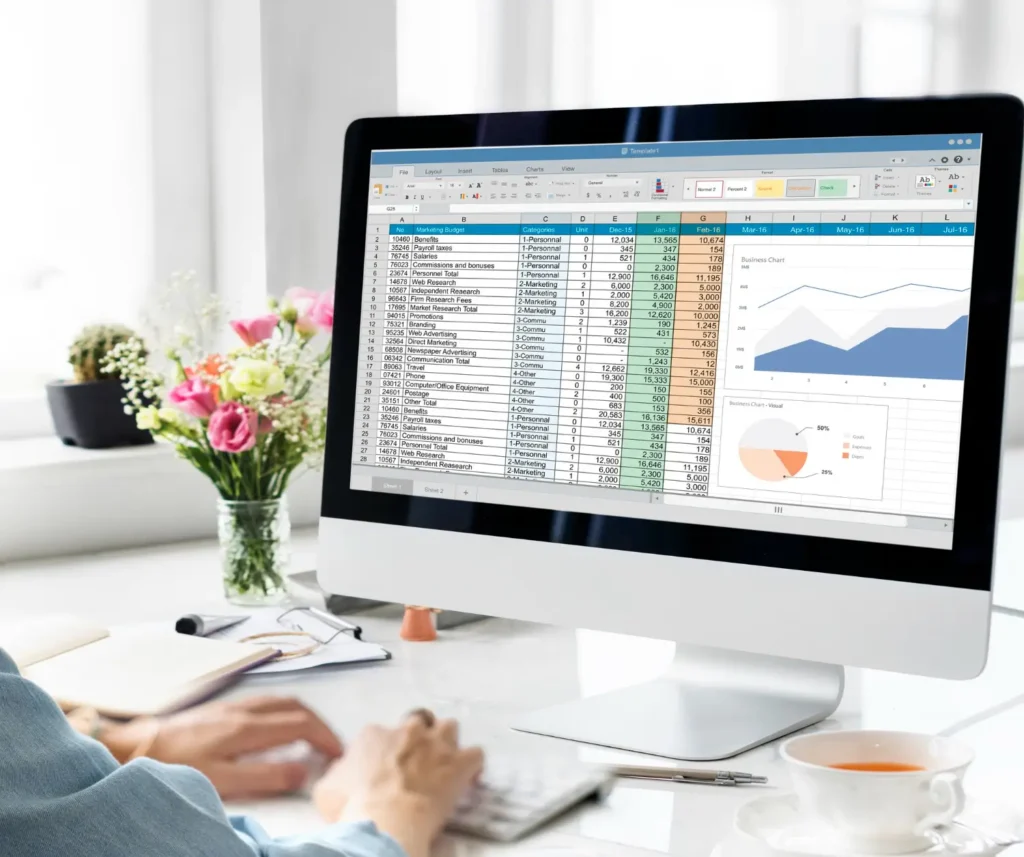
Technology plays a huge role in the success of agile auditing:
- Visualisasi Kanban atau Sprint Board: Facilitate monitoring of audit progress.
- Real-time dashboard: Provide direct insight to management.
- Automatic Data Integration: Reduce the burden of manual input and speed up reporting.
Platforms such as Audithink it can be a modern audit solution that supports an agile approach with sprint audit features, team collaboration, risk tracking, to automated reporting.
Can Agile Audit be used by SMEs and large companies?
Agile auditing can be customized for organizations of any scale:
- SMEs (small and Medium Enterprises):
- Lighter in implementation.
- Sprints can be used to focus on simple but impactful audits.
- Enterprise (Large Company):
- Requires system integration and cross-departmental training.
- Suitable for supervision of complex business processes.
Integrasi dengan Continuous Auditing
Agile auditing is more effective when combined with continuous auditing:
- Audits are conducted on an ongoing basis, not just yearly.
- Provide real-time insight into internal controls.
- Support the need for regulatory audits and data transparency.
Consult Audit application needs with Audithink
Agile audit is a new approach in the world of audit management that answers the challenges of modern business. This approach is not only more efficient, but also more relevant, collaborative, and quick in responding to risk.
With the support of technology and an agile organizational culture, companies can reap the long-term benefits of audits that truly add value.
For organizations looking to embark on a modern audit transformation, agile auditing is the right strategic move in today's digital age.
You can start a more efficient and adaptive audit transformation, visit Audithink or contact our team via Contact page now.