

The Audit is an important part of an organization's operations, it aims to ensure compliance with applicable standards and regulations. However, improper audit procedures can lead to less accurate and potentially adverse results.
Therefore, understanding and implementing systematic audit procedures is essential.
In this article, we will talk in depth about what an audit procedure is, why it is important, its stages, types of procedures, as well as examples of their application.
This guide is designed to provide a comprehensive understanding for those of you who want to strengthen the audit system in the organization.
What Is An Audit Procedure?

An audit procedure is a systematic set of steps used to assess the accuracy, compliance, and effectiveness of various processes in an organization. This procedure is important to ensure that all operations proceed in accordance with applicable standards and regulations.
In the audit process, there are internal and external audits. This second procedure plays a key role in identifying areas that need improvement. Internal audits are conducted by internal departments to make the company or organization more effective and efficient. Meanwhile, external audits are carried out due to the needs of the company and are carried out by trusted independent bodies that have been qualified.
By implementing the right procedures, organizations can improve quality, efficiency, and transparency in various aspects of business.
Why Are Audit Procedures Important?
Internal audit procedures are important for detecting errors, fraud, or nonconformities in an organization's operations.
Through a structured audit, organizations can spot problems before they get bigger and ensure that they comply with all applicable policies and regulations.
In addition, this procedure also helps in improving operational efficiency. By knowing the stages of proper audit procedures, the company can reduce risks and take the necessary actions to correct problems.
Stages Of The Internal Audit Procedure
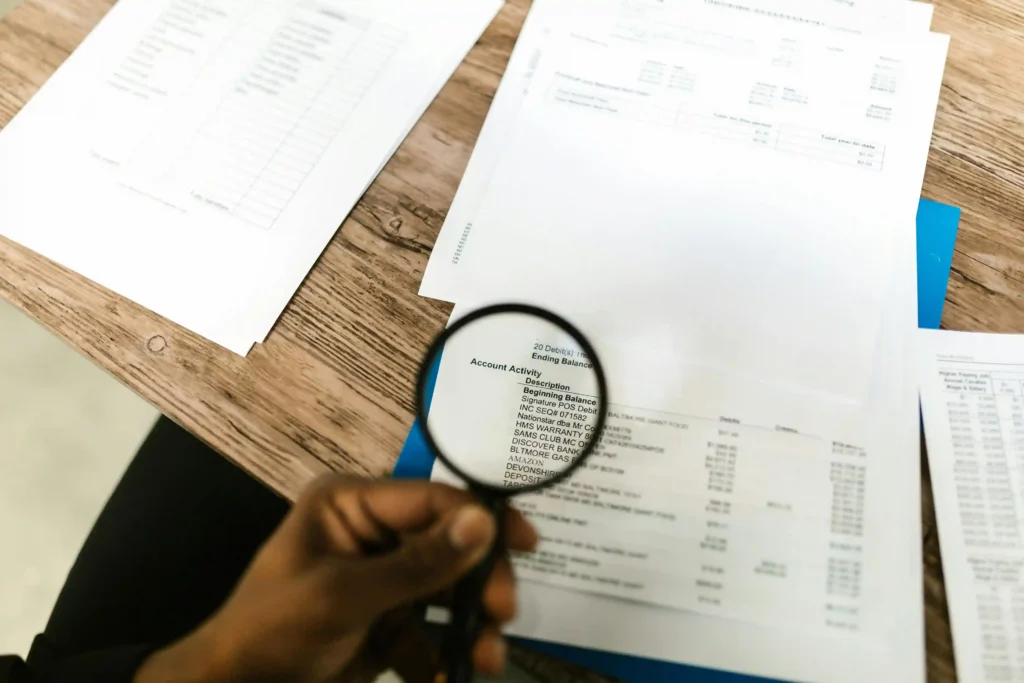
Stages in the internal audit procedure usually begins with planning, where auditor determine the purpose, scope, and methods of audit. Here are the general stages in the audit procedure:
- Audit Planning: Determine the purpose, scope, and methods of audit. At this stage, the auditor will collect preliminary information about the process to be audited.
- Audit Execution: This stage involves gathering evidence and data through observation, interviews, and document review. The Auditor will evaluate the information collected to determine compliance with established standards.
- Reporting Of Audit Results: After the implementation is completed, the auditors will compile a report detailing their findings, as well as recommendations for improvement. This report will be submitted to management for follow-up.
- Follow-Up AuditAbstract: at this stage, the company should take corrective action based on the recommendations of the audit report. This follow-up is important to ensure that all identified problems have been properly addressed.
Types Of Audit Procedures
The purpose of the audit procedure is so that the audit can be carried out according to the rules without any injustice or fraud from any party. Here are the types of procedures that are correct and need to be known:
- Inspection: Conducting examination of documents, records, or physical assets to ensure the authenticity and accuracy of an information.
- Observation: Direct observation of the processes or procedures carried out by the company applied to assess the effectiveness and compliance.
- Confirmation: Collects information from independent third parties to support and verify audited data.
- Inquiry description: Conduct question and answer to obtain additional information from the management or staff of the relevant company.
- Search: Track information from documents to ensure transactions recorded are correct.
- Calculation: Perform recalculation to verify data accuracy.
- Examination of supporting evidence: Perform scans of supporting documents to find relevant information.
- Re-executionRepeat certain procedures or controls to ensure effectiveness and consistency.
Examples of Audit procedures in practice

Examples of audit procedures may vary depending on the type performed. For example, in a financial audit, procedures may include transaction verification, assessment of compliance with tax regulations, and review of financial statements.
In other internal audits, such as operational audits, procedures may include an assessment of the efficiency of production processes, compliance with occupational safety standards, and evaluation of the use of resources.
The audit procedure is an important tool to ensure that the organization runs in accordance with established standards and complies with applicable regulations. By understanding and implementing these procedures effectively, companies can improve the quality and efficiency of their operations.
To learn more about how this procedure can help your business, visit the page Feature Pack us or contact us directly via contact for further consultation.
References: