
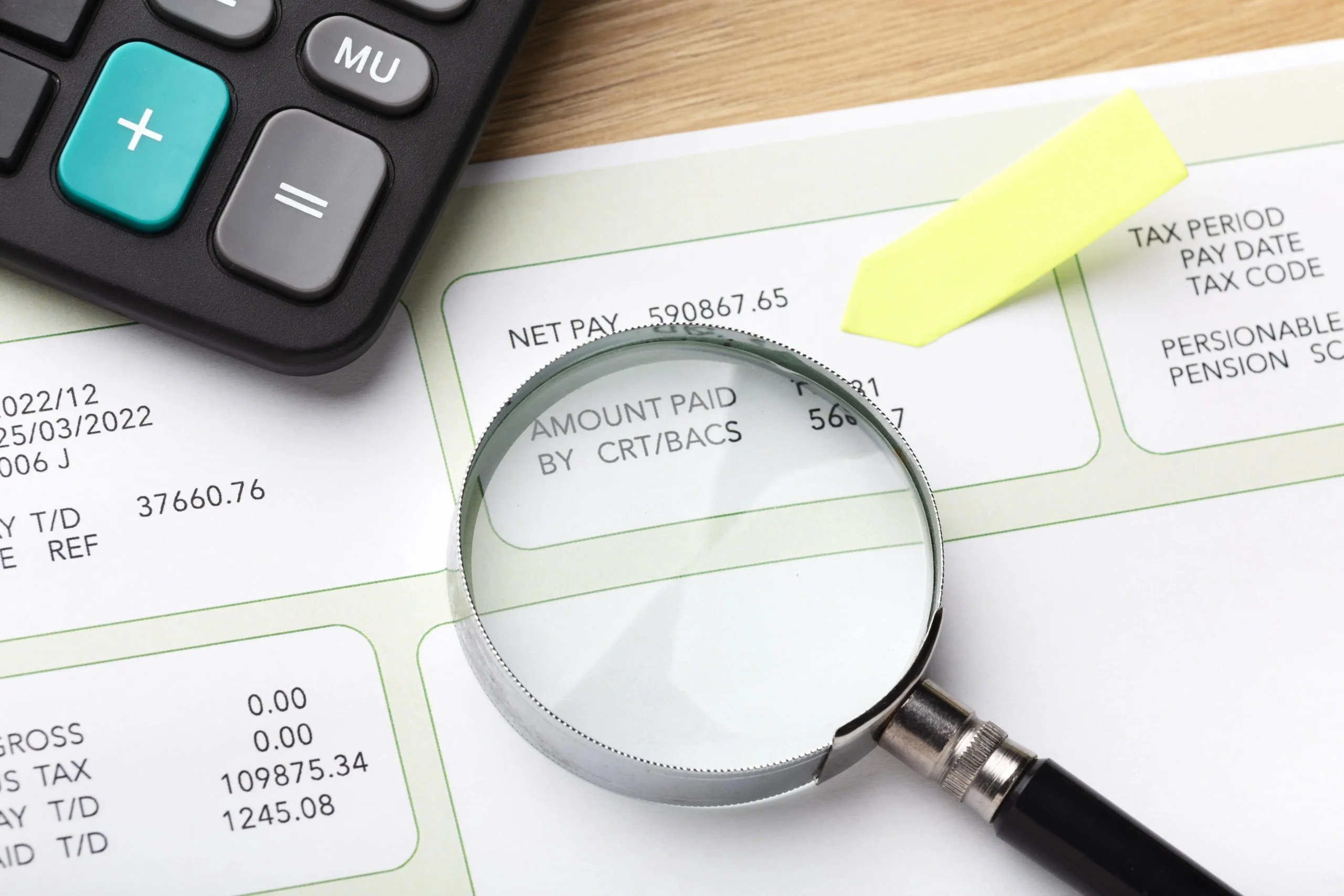
Payroll Audit is an examination that needs to be carried out by companies to ensure the accuracy of employee payroll.
This identification is considered important one of them because it allows the company to review the compliance of the payroll system with the law.
In addition, the implementation of this audit also aims to prevent the risk of fraud in the payroll system.
Then actually what is the meaning of payroll audit, what are the benefits, and how the audit process? Check out the following article to get the answer!
Understanding Payroll Audit
Audit payroll is a comprehensive examination of processes, data, and payroll records in a company.
It aims to identify errors and non-conformities that may occur and ensure compliance of the payroll system with company regulations, financial standards, as well as applicable laws and regulations
Although payroll audits and financial audits are both used to ensure the accuracy of a company's financial data and its compliance with policies, both types of audits it still has a significant difference.
The financial audit is an examination that focuses on the overall financial statements that include assets, expenses, profits, and others to be examined based on accounting standards.
While the payroll audit is a review of the payroll system, which includes records of salaries, benefits, and others.
Proses Audit Payroll
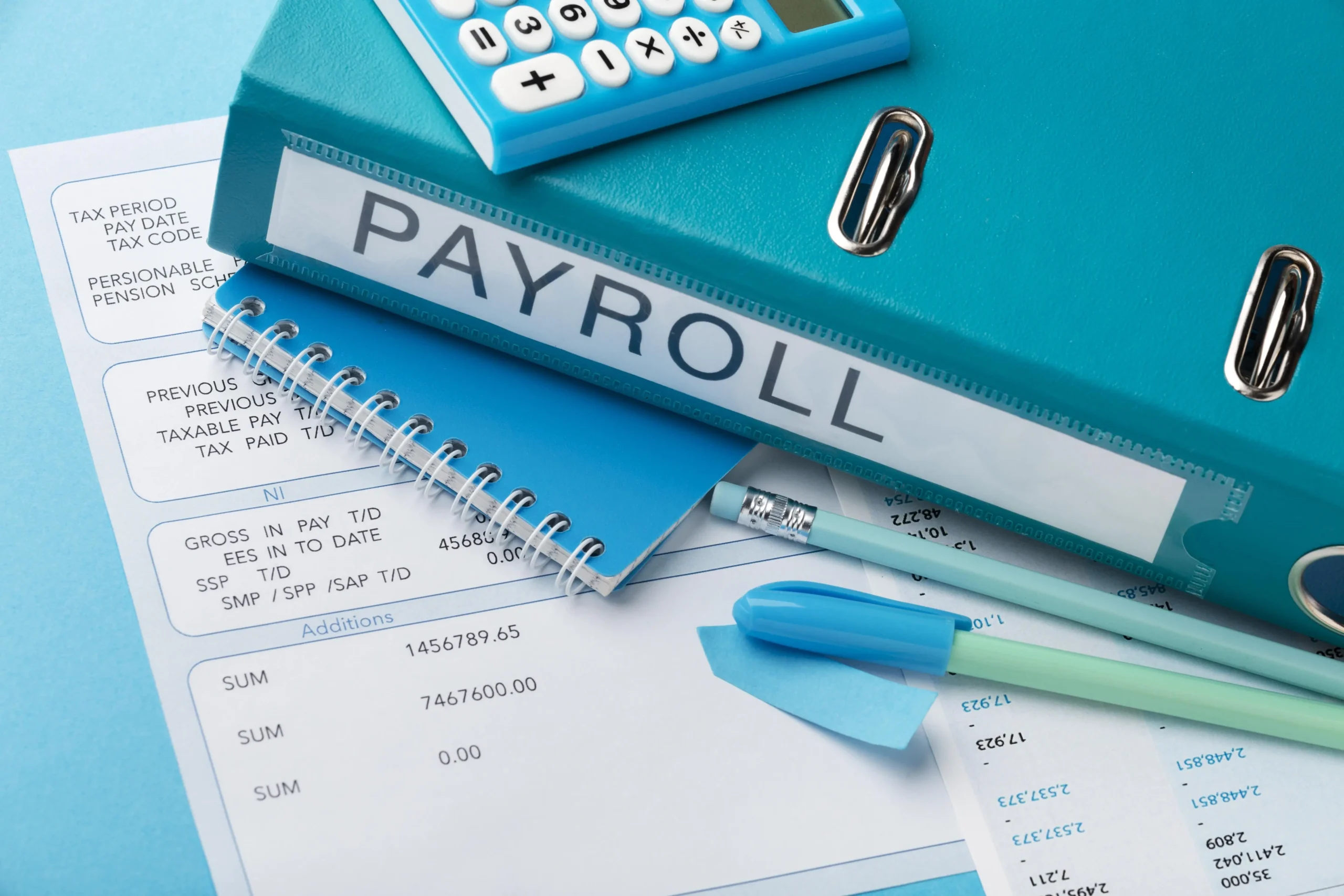
In order to make sure all the audit process this goes right, you can follow the steps to check the payroll system on the company.
The following is a payroll audit process that you can follow:
1. Make Planning
In this case auditor. will plan a payroll audit will be carried out with what purpose, either to ensure compliance with regulations or identify the occurrence of non-compliance or fraud.
This can be done by checking employee data, accuracy in payments, and compliance with applicable regulations.
2. Preparing Documentation
At this stage, the auditor will collect related documents, such as employee payroll, payslips, tax Reports, employee employment contracts, and company rules regarding the payroll system.
3. Identifying Employees
Payroll audits allow auditors to ensure that payroll recipients are in accordance with the list of employees who are active or still working.
Among those that need to be examined in this case are the salary components, such as basic salary, incentives, benefits, deductions, and others.
4. Checking deductions and taxes
The Auditor will also conduct an examination of salary deductions and income taxes paid in accordance with applicable policies.
5. Ensuring Company Compliance
The next step in the payroll audit process is to verify the company based on labor regulations, tax policies, and social welfare.
6. Checking Salary Records
In auditing payroll records, the auditor will check the compliance of the payroll system with applicable regulations.
This is certainly to identify potential discrepancies that occur in the provision of existing salaries, benefits, or bonuses,
7. Checking The Payroll System
Payroll audits will be conducted to review the payroll system as a whole by ensuring the accuracy and security of salaries, from being stored, calculated, to audited.
8. Checking For Potential Fraud
The Auditor will identify the payroll system from potential fraud, such as fictitious salary payments, data manipulation, inactive employee payroll, and others.
9. Able To Work Under Pressure
At this stage, the auditor will match the salary records with the company's financial statements to ensure that there is no difference in funds issued as employee wages and the amount that employees should receive.
10. Prepare Audit Report
Furthermore, the Auditor may prepare an audit report that includes audit findings, nonconformities or errors found, suggestions for improvement, and follow-up actions that need to be taken.
11. Follow Up
From the improvement recommendations submitted by the auditor in the audit report, the company can implement them and make improvements to the discrepancies that have been found.
12. Doing A Review
This stage is done to review the recommended changes have been executed and the problems found have been resolved properly.
To ensure the suitability, accuracy, and effectiveness of the payroll system, companies can conduct periodic payroll audits.
Read Also: Complete Guide to Audit procedures, stages, and examples
Benefits Of Payroll Audit
Basically, payroll audits are useful to avoid risks related to the payroll system in a company or business.
Among the benefits of payroll audits that will be felt by the company are as follows:
- Identify discrepancies, where this audit can help companies to find problems that occur so that they can plan strategies to prevent the same mistakes.
- Preventing fraud, where payroll audits periodically allow companies to identify fraud that may occur.
- Prevent the build-up of problems, where the implementation of payroll audits can help in finding the risk of errors and immediately correct them, so that the business can continue to grow with the suggested improvements.
- Improving legal compliance, where the implementation of payroll audits allows companies to improve the compliance of the payroll system to applicable regulations.
Challenges in the Payroll Audit process
While these audits provide a variety of benefits, there are some challenges that could potentially hinder the payroll audit process.
Among the challenges in the payroll audit process are the following:
- Inaccuracies in data or financial statements, caused by errors in entering salary data, deductions, benefits, and taxes.
- Inconsistency of data, due to the payroll system, HRIS, and the financial system are not in sync.
- Insufficient documentation and supporting evidence, this is because companies often find it difficult to provide proof of payment, pay slips, tax deductions, and others.
- Regulatory changes, where regulations regarding payroll and taxation are often subject to change.
- Tax calculation errors, where the discrepancy in calculating the tax in accordance with the DGT allows the company to get a fine or administrative sanction.
- Non-compliance with regulations, where companies that do not comply with regulations can be at risk of the law.
- Risk of payroll data leakage, that includes employee salaries, benefits, and bank accounts because the system lacks strong security and unrestricted access could potentially lead to cyberattacks.
Basically, the resulting benefits and challenges facing the payroll audit process are many more.
But in the face of obstacles, an auditor will certainly do the planning while sharpening the mind in the face of possible challenges that occur.
If your company wants to conduct an audit, you can take advantage of the Audithink application that offers ease in the audit process. If you are interested and want to know more information about Audithink and its features, schedule a demo right now!