

To improve the effectiveness and efficiency in managing audit resources while ensuring the quality of audit results, approach risk based audit it becomes very important to apply.
Without this approach, auditors risk spending time and resources on less significant areas, while high-risk areas are neglected.
In this article, we will go deeper into what a risk-based audit is, including examples of its application and the stages of the process you need to know. Come on, check it out!
What is Risk Based Audit?

Risk based audit audit is an audit process that focuses on how risks can affect the achievement of organizational goals.
In this approach, the focus on risk means that the audit process must be able to identify, evaluate, and prioritize aspects that have a high risk to be improved.
In this way, resources can be allocated more efficiently to address the areas most vulnerable to failure or non-compliance, so that risks can be better managed.
Unlike traditional audits that focus more on regulatory compliance, risk based audit it offers a more dynamic approach by prioritizing risk analysis.
This allows auditor to provide greater added value for the organization in achieving its goals.
Example of Risk Based Audit
In risk-based auditing, the auditor uses this approach to prioritize resources in the areas with the greatest potential impact.
Here are some examples of implementing risk-based audits:
- Specific industries with high riskIn the case of the banking industry, the risk of regulatory compliance (compliance risk) very high due to strict regulatory changes. Auditors focus on the area of compliance with financial regulations.
- Business processes with high riskAbstract : in manufacturing companies, raw material procurement processes that depend on one main supplier have a high risk. Auditors focus on procurement-related controls to prevent operational disruption or potential fraud.
- Financial Risk Assessment: If a company has a large amount of debt, the auditor will check whether the company has the ability to pay its debts and whether there is a potential for misstatement regarding financial obligations.
- Audit Sistem IT: In technology companies, auditors can focus on cybersecurity risks, such as vulnerability to hacking attacks, as these can have a major impact on the continuity of operations.
- Environmental risk and sustainability: In companies engaged in the energy sector, auditors focus on environmental obligations, such as potential fines for pollution or non-compliance with carbon emission standards.
Stages Risk Based Audit

Conducting a risk audit involves a series of stages to systematically assess the risk management process in an organization and identify potential risks.
The following are the stages that are usually carried out in a risk audit:
- Audit Planning: Create a detailed audit plan, including the audit schedule as well as the necessary resource requirements.
- Risk Identification: Determine and record potential risks that may affect the achievement of organizational objectives or operations.
- Risk Assessment: Evaluate each risk that has been identified based on the potential impact and possibility of occurrence.
- Compliance Review: Examine the level of compliance of the organization with internal regulations, laws, and policies relating to risk management.
- Evaluation Of Control: Assess how effective the risk control and mitigation measures that have been implemented.
- Data Analysis: Analyze related data and previous incidents to identify patterns or trends that indicate risk exposure.
- Document Review: Reviewing documents related to risk management, such as policies, procedures, and incident reports.
- Interviews and surveys: Collecting additional information through interviews or surveys using questionnaires.
- Risk mitigation and Action Plan: Develop action plans and recommendations to reduce or manage identified risks.
- Reporting: Preparing a comprehensive audit report, containing the findings, risk assessment, compliance status, and recommendations provided.
- Management response and follow-up: Monitor and review the implementation of recommended corrective actions.
- Continuous Improvement: Encourage a culture of continuous improvement in risk management throughout the organization.
Risk identification techniques on Risk Based Audit
Risk identification techniques have a very important role in risk based audit because it is the first step that determines the focus and efficiency of the entire audit process.
Without this process, the auditor will not be able to determine the focus of an effective audit, thereby reducing the impact and relevance of the audit to the organization's risk management.
Here are some of them:
- SWOT analysis: This technique helps auditors map the internal strengths and weaknesses of the organization, as well as opportunities and threats from outside.
- Scenario Analysis: The Auditor thinks about various situations that may occur in the future and assesses the risks that come with it.
- Historical Analysis: Looking back at previous audit findings and cybersecurity-related events helps auditors spot recurring patterns of risk.
- Session Brainstorming: Team discussions allow many new ideas to emerge, opening up the possibility of discovering risks that may have been missed.
- Benchmarking: Comparing organizational processes with industry standards or best practices helps auditors identify gaps or deviations that are at risk.
- Identifying risks with technology: Using advanced analytical tools and software helps auditors find patterns and risks faster through Big data Processing.
- Risk Register: Risk register is an important document that contains all the risks found in order to monitor the risks in a structured manner and plan mitigation measures.
Implementation Of Risk-Based Audit
The implementation of risk-based auditing can improve the efficiency of auditing and Risk Management in organizations, although there are challenges to be overcome.
Advantages Risk Based Audit
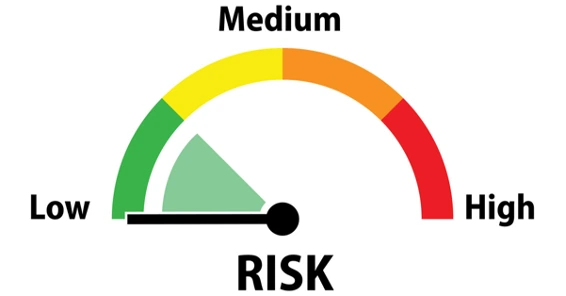
This approach focuses auditing on the areas with the highest risk, so that resources can be used more effectively.
The Auditor does not need to check all aspects operations, but rather simply prioritize parts that have the potential to cause major losses.
In addition, the RBA helps ensure audits are more relevant by highlighting the areas that have the most impact on achieving goals. Specific audit results make it easier for management to make decisions.
Implementation Challenges
One of the main obstacles is the lack of complete and accurate data on risk and dependence on the quality of risk assessment. An incorrect assessment can direct the audit to less important areas.
Rapid changes in risk are also a challenge. Dynamic business environments, such as regulatory or technological changes, require flexibility and strong analytical skills to enable auditors to adjust audit plans promptly.
Risk-Based Audit Implementation Solutions
Risk Based Audit is a risk-focused approach to improving the efficiency and effectiveness of the audit process.
Internal audit Software such as Audithink can assist companies in implementing risk-based audits in a more effective and efficient manner.
With our features, the software automatically provides audit interval recommendations that are tailored to the risk level of each area or business process.
Areas with higher risk will be audited more often than areas with lower risk. The Software also facilitates the creation of an annual audit program by combining the results of risk assessments to compile a detailed audit schedule. Schedule demo now!