

Photo by Cht Gsml on Unsplash
Many findings audit Issues that have been thoroughly reported simply stop without any real improvement. As a result, the same problems continue to recur year after year.
This article discusses the main reasons why follow-up on audit findings is often neglected, how to compile a action plan effective, to the role of digital systems in automating monitoring.
Why is Audit Finding Follow-Up the Most Crucial Stage?
Following up on audit findings is a crucial step in ensuring that identified issues are truly corrected. Without follow-up, audit results remain mere documentation without any real change.
This process helps companies ensure recommendations auditor implemented by the responsible party. Repairs can also reduce the risk of the same problem recurring.
Structured follow-up allows management to monitor the progress of each finding, evaluate the effectiveness of improvements, and ensure the company's risks remain under control.
What Are the Main Reasons Companies Often Neglect Audit Finding Follow-Up?
Audit findings are often not promptly addressed because the follow-up process lacks a clear mechanism. Problems can escalate when responsibilities and timelines are not defined.
Some common causes include:
- There is no owner responsible.
- Action plan is too general.
- The completion target is unclear.
- Monitoring is still done manually.
- The progress of findings is difficult for management to monitor.
Lack of Clarity on Accountability and Owner Follow-Up
Every audit finding requires a responsible party to implement corrective actions. Without a clear owner, resolution of the findings can be delayed.
The owner's designation must be accompanied by appropriate responsibilities, completion targets, and authority. This way, follow-up progress can be monitored more objectively.
Preparation of an Internal Audit Action Plan that is Less Specific
An internal audit action plan serves as a guide for resolving findings. However, a plan that is too general can make it difficult for stakeholders to determine the appropriate actions.
The action plan should explain:
- Corrective actions to be taken.
- Responsible party.
- Target completion time.
- Evidence that needs to be prepared.
- Finding resolution status.
The Audit Follow-up Monitoring Process is Still Manual
Monitoring audit follow-up using spreadsheets or separate documents can be difficult for the team as the number of findings increases.
Scattered data makes it take longer for auditors to check status, send reminders, and identify findings that miss deadlines.
What Is the Strategic Guide to Managing Audit Findings Effectively?
How to manage audit findings needs to be done systematically so that each problem has clear corrective action and can be monitored until completion.
The audit team can implement the following steps:
- Group findings by risk level.
- Determine the owner for each finding.
- Develop a specific action plan.
- Set a completion target.
- Monitor progress periodically.
- Verify evidence after corrective action is completed.
This approach helps companies ensure that any findings are not simply closed administratively, but actually result in improvements.
Risk Prioritization Based on the Impact of Findings
Not all audit findings have the same level of urgency. Companies need to prioritize them based on their impact and potential risks to operations.
Findings with significant financial, compliance, security, or operational impact should receive more immediate attention.
See also: Example of Financial Audit Application for Companies
Prioritization can help the audit team and management allocate resources to issues that pose the most significant risks.
Preparation of Key Performance Indicators (KPI) for Finding Resolution
Finding resolution KPIs help companies measure the effectiveness of their follow-up processes. Indicators can be used to determine whether improvement targets are being achieved as planned.
Some KPIs that can be used include:
- Percentage of findings completed on time.
- Number of findings that passed the deadline.
- Average time to completion of findings.
- Percentage of recurring findings.
- Percentage of recommendations that have been verified.
What Role Do Digital Systems Play in Automating Audit Follow-Up Monitoring?
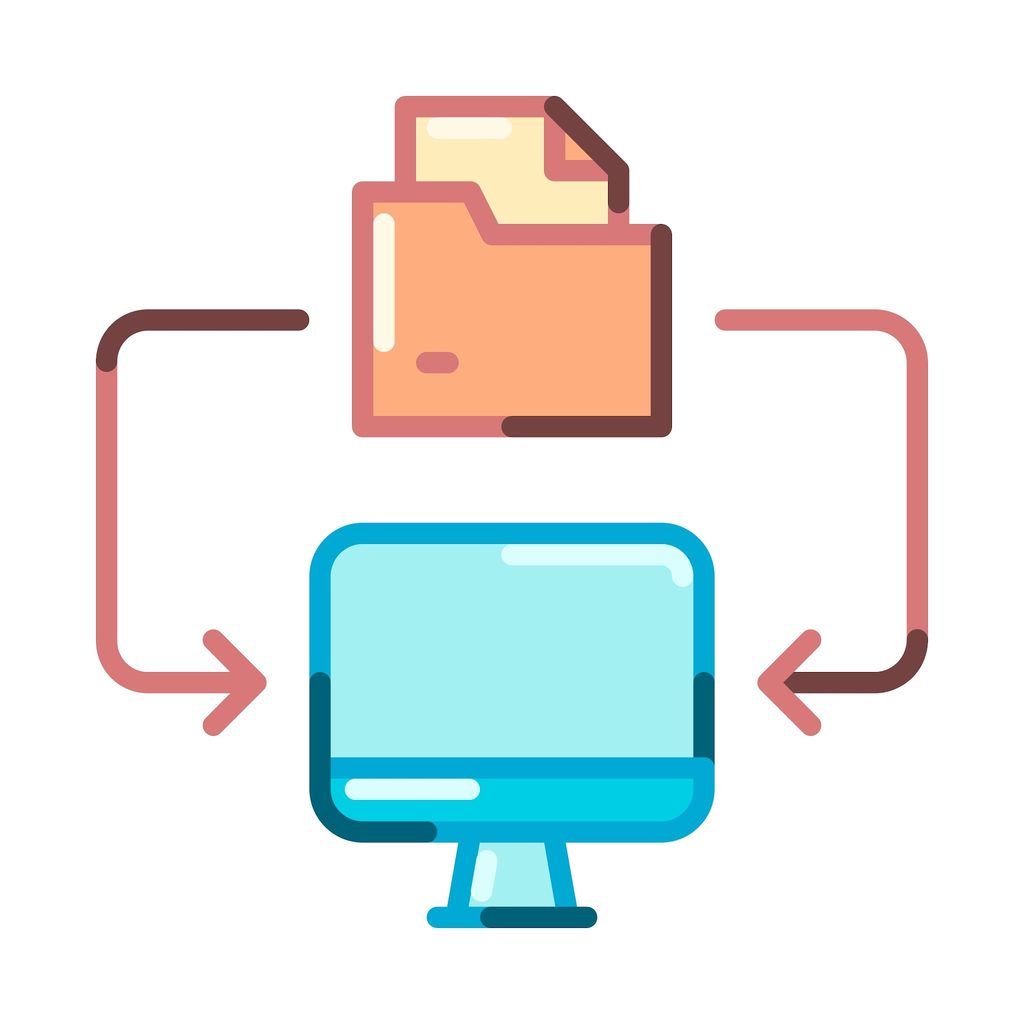
Illustration by Hendi Perkasa on Unsplash
Digital systems can help manage audit findings in a single platform. Information regarding findings, owners, action plans, deadlines, and completion status can be centrally documented.
Automation can also help send reminders to relevant parties when a completion deadline is approaching or has passed.
For audit teams, an integrated system simplifies progress monitoring and reporting. Management can also obtain information on the status of follow-up actions more quickly.
How Do Audit Findings Become Added Value for Business Sustainability?
Audit findings shouldn't be viewed simply as a list of errors to be addressed. Each finding can be a source of information for improving business processes and internal controls.
Consistent follow-up help companies reduce the risk of recurrence, improve compliance, and strengthen control effectiveness.
With the support of structured processes and digital systems, audit results can make a greater contribution to operational improvement and business sustainability.
FAQ
What is meant by Audit Finding Follow-up?
Follow-up of audit findings is the process of ensuring that audit recommendations have been implemented by the relevant parties and providing improvements in accordance with the audit objectives.
Why Do Audit Findings Need to Be Followed Up Immediately?
Follow-up helps companies address control weaknesses and reduce the risk of similar problems recurring. Delays can make risks even more difficult to control.
Who is Responsible for Following Up on Audit Findings?
The owner or party designated in the action plan is responsible for implementing the improvements. The audit team's role is to monitor and verify these follow-up actions.
How to Monitor Follow-up on Audit Findings?
Monitoring can be done by recording the owner, action plan, deadline, status, and proof of completion. Digital systems can help automate this process.
Conclusion
Manual monitoring of audit findings can slow down the follow-up process and make it difficult to monitor. An integrated system helps companies manage this process in a more structured manner.
With Audithink, the team can manage findings, action plans, responsibilities, and follow-up progress in one system.
Schedule an Audithink demo now and see how the system can help automate your company's audit monitoring and follow-up.