
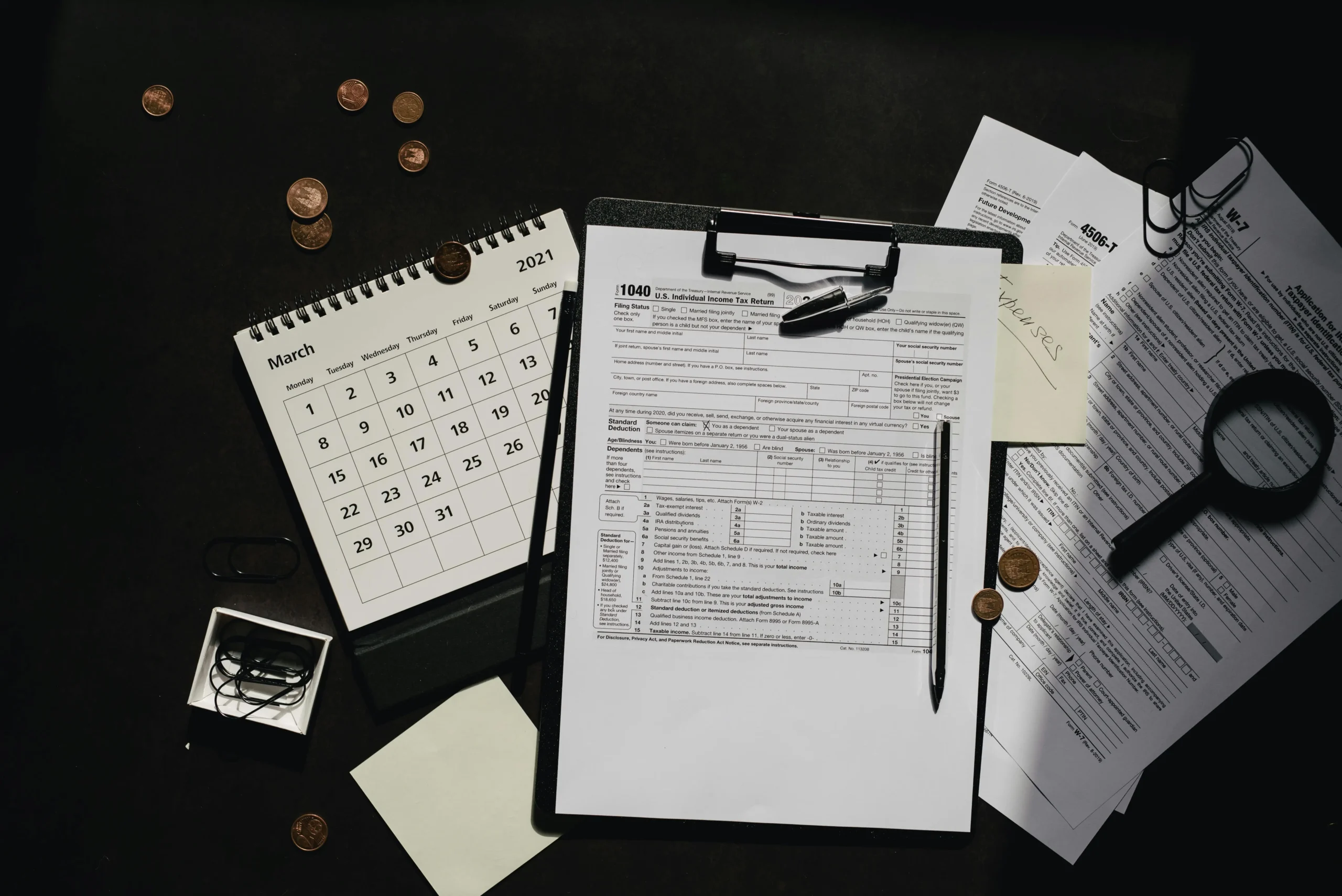
In a company or organization, the audit cycle becomes an important procedure that allows to evaluate the effectiveness of internal systems and controls.
In addition, this process can help companies to obtain new objectively and identify the risks that can arise from the work.
The audit cycle also allows the company to review whether it has been running in accordance with applicable regulations and is free from abuse of assets.
What Is An Audit Cycle?
Audit cycle is a process performed auditor to identify the accuracy of the company's financial statements and related information.
The procedure allows auditors to find discrepancies that may occur in the financial statements.
Differences found in the audit cycle process can be-review deeper so that auditors can assess the risks that occur and how steps should be taken to improve them.
Stages Of The Audit Cycle

1. Identification Process
At this stage, the company will meet with auditors to identify areas of accounting that need to be reviewed.
In the identification process, the company needs to provide documents that the auditor needs to check.
Audit checklist or the list of files that the auditor gives to the company's management is such as payroll report documents, current accounts, General books, copies of company documents, and others.
2. Planning Stage
In this step, the auditor will decide how the information that has been obtained in the form of documents from the management will be collected for deeper review.
The Auditor will plan the audit cycle process based on the objectives and qualifications that are most suitable for achieving the audit objectives.
As for tackling the problem, audit team can hold risk workshops to form understanding alignment.
So that when problems are found that may arise, the auditor can plan the right steps.
3. Field Work Audit Stage
This stage allows the auditor to test and compare accounting samples. It starts with opening communication with related parties.
Auditors will begin to review a particular business owner or company's financial statements to obtain the sample they are looking for. One technique that can be used in this process is audit sampling.
From the sample collected, the auditor will evaluate the accuracy of the sample with a report. Will there be any inconsistency in the the audit process or has been running according to standard procedures.
In addition to tracing the relevant business or company until satisfied with the explanation given, the auditor will also simultaneously examine the company's internal controls.
4. Stages Of Preparation Of Audit Reports
Based on the findings from the sample that has been collected, the auditor can begin to compile an audit report and report it if there are discrepancies in the form of fraud, illegal actions, or others in the report.
In addition, auditors also need to report material that has been corrected after review along with any policies, errors, problems, agreements, and anything that has been found during the audit process.
However, in this stage the auditor may request additional requirements when compiling the report that allow the company to complete the requested documents.
If you have completed draft reports, auditors can submit the results of the report along with suggestions and input to the company's management team so that they can consider the report from the findings collected.
If the company receives the results of the audit report and the solutions provided by the auditor, then the audit process has been carried out properly.
5. The Stage Of The Audit Report
At this stage, the auditor will hold a meeting with the company. The Auditor will present a report on the findings to the management team, including any discrepancies found in the company's financial statements.
After that, the auditor will observe every opinion and response from the company on the audit report.
In addition, this meeting allows the auditor to determine the exact settlement date that has been agreed upon by both parties.
If in this process there is no longer a discrepancy, the discussion of the audit report will produce an optimal report.
However, if there are still problems, the audit will only be completed after the company and the auditor find the most appropriate solution together to avoid the discussion of the audit again at a later date.

Types Of Audit Cycles
1. Internal Audit
Audits conducted within the organization allow transparency of current finances including expenses, income, assets, and more to shareholders and the board of directors.
Internal audit conducted to check whether the financial goals of a company have been achieved and business operations are running in accordance with applicable regulations.
2. External Audit
Unlike internal audits conducted by internal parties, the type external audit implemented by outside parties such as regulatory agencies independent audit institutions in the process.
As an external party, the auditor must be free from any ties with internal parties so as not to produce tendencies in the audit process.
This process is executed in accordance with the standard auditing in general and produce an audit report containing the stages until the findings obtained.
3. Operational Audit
Although generally carried out within the organization, this audit cycle can also be carried out externally.
As the name suggests, operational audit will review the company's operations ranging from review to adjustment of business objectives, planning processes, company operational performance, and others that are useful in improving business efficiency and productivity.
4. Compliance Audit
One aspect that is important to ensure equality is the examination of the payment and distribution of employee salaries.
It is included in a compliance audit where the company will be reviewed to determine its compliance with standards set by the company and external organizations.
5. Information Systems Audit
Information Systems Audit implemented by technology companies or the like to identify potential problems that can occur and cause data leaks and cyber attacks.
In addition, this audit is also used to review the efficiency of computer systems and data processing in the company's operations.
6. Financial Audit

In auditing financial statements companies, auditors who handle must be from external parties except only limited to checking.
This of course aims to avoid bias and can identify financial statements accurately.
After the audit process is completed, the external auditor can present the results of the report to related parties such as lenders, investors, and creditors.
7. Tax Audit

This Audit can be carried out by directly coming to the location or by communicating via mail.
A Tax Audit itself allows auditors to identify the company from the possibility of a discrepancy in the tax collection carried out.
Accuracy is an important point, so if there is the slightest mistake in the information or payment made, it will deal with the IRS instead.
8. Payroll Audit
Generally, audits conducted annually are aimed at ensuring payroll runs according to procedures.
If errors are found in salary payments, tax deductions, or other nonconformities, then this audit is used to correct and avoid problems in the future.
9. Payment Audit
In this audit, the main focus is to review salary payments to employees that are carried out fairly in accordance with positions, levels, skills, and length of experience.
It also prevents conflicts of race, religion, age, and gender that are not related to the capabilities of a worker.
This type is also based on the location of the company, so the salary in a particular city will probably be different from that in another.
FAQ About the Audit Cycle
What is the audit cycle?
The audit cycle is the process auditors perform to identify the accuracy of a company's financial statements and related information. Discrepancies found are then reviewed more deeply to assess the risk and determine corrective steps.
What are the stages of the audit cycle?
Five stages: the process of identifying the accounting areas to review, the planning stage, the fieldwork audit stage, the audit report preparation stage, and the stage of presenting the audit report to the management team.
Which documents do auditors request at the identification stage?
Through audit checklist, auditors generally request payroll reports, bank statements, general ledgers, and copies of other company documents relevant to the area to be examined.
What does the auditor do during fieldwork?
The auditor tests and compares accounting samples — one technique being audit sampling — then evaluates the samples' accuracy against the reports, while checking the company's internal controls.
What are the types of audit cycles?
Nine types: internal audits, external audits, operational audits, compliance audits, information system audits, financial audits, tax audits, payroll audits, and pay audits that review salary fairness by position, level, expertise, and experience.
What should be considered when planning the audit process?
Several things: support from the board of directors, the presence of independent auditors, the risk level in each area, the availability of experts or auditors both internal and external, and the technology used to support the audit process.
Conclusion
Thus is the explanation of the audit cycle that allows the audit process to run efficiently and optimally.
In planning the audit process itself, organizations need to consider several things such as support from the board of directors, independent auditors, the level of risk of each area, an expert or auditor (internal or external), and technology.
Audithink it is a web-based application technology that can assist in the audit process, from the planning stage to the implementation stage.
Audits conducted by Audithink are also very diverse. Starting from financial audits, compliance, operations, and more.
If you would like to conduct an audit, please contact contact us for further info!