Indonesia's mining industry operates under layered oversight: mining safety regulations, environmental and reclamation obligations, and strict governance that applies to both state-owned enterprises and holding group members such as MIND ID. Internal Supervisory Unit (SPI) teams at mining companies carry this responsibility across a wide operating area, often-remote mine sites, and audit resources that are limited relative to the scope they must oversee.
Audithink is internal audit software used by PT Timah Tbk and PT Antam Tbk to run audits from risk-based planning to follow-up monitoring. This article covers internal audit challenges specific to the mining sector, relevant regulations, the Audithink features that can help along with the parts that need customization, and two case studies: PT Timah Tbk and PT Antam Tbk.
Disclosure: Audithink is our product. The PT Timah and PT Antam details cited below come from case studies published on this site.
What Are the Internal Audit Challenges at Mining Companies?
The following challenges repeatedly come up in the internal audit function at mining companies:
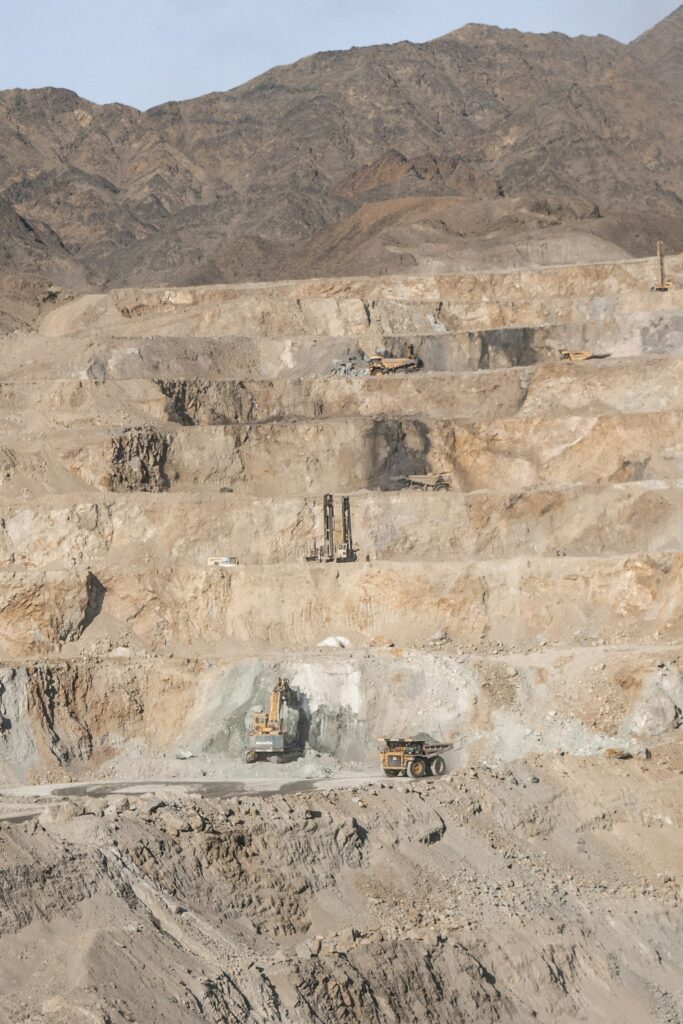
- Wide and remote operating areas, making auditor site visits time-consuming and costly, while manual working papers are difficult to sync with head office.
- High occupational safety (K3) risk, given that mining activities are classified as high-risk and are a primary focus of mining safety oversight.
- Environmental and post-mining reclamation obligations that must be verified periodically, not just reported on paper.
- State-owned mining holding structure such as MIND ID, which requires subsidiary audit results to be visible at the holding level, not stop at the operational level.
- Manual, paper- and spreadsheet-based processes that slow down the audit cycle and are prone to lost or unsynced data between teams.
What Audit Regulations and Standards Are Relevant to Mining?
SMKP (Mining Safety Management System) is a mandatory framework for mining license holders to manage occupational safety and mine operational risk, covering K3 policy, planning, support, operations, performance evaluation, and management review. A full discussion is available at the SMKP Audit guide.
Beyond SMKP, oversight of the mineral and coal (minerba) sector also emphasizes compliance with work plans and budgets, reclamation and post-mining obligations, and transparent governance, especially for state-owned mining companies subject to internal SOE supervision requirements. Mining companies that are holding group members also face the need to consolidate audit data at the holding level, discussed further in audit software for holding companies and subsidiaries.
Which Audithink Features Are Relevant for Mining?
- Risk-based audit planning, so that K3 and environmental risks with the highest impact are prioritized first in the annual audit plan, rather than treated the same as lower-impact operational risks.
- Centralized digital working papers that can be accessed from anywhere. Mobile app development for recording findings directly from mine sites is available as a customization option.
- Structured finding documentation (condition, criteria, cause, effect, recommendation) and Notice for discussing recommendations with auditees at the relevant mine unit.
- Real-time follow-up monitoring until completion, including the timeliness of implementation, which matters for high-risk OHS findings that must not drag on.
- Dashboard and automated reports to give management visibility into audit status without waiting for a manual recap.
- Connectivity to company systems. Integration with holding systems, such as the AiMIND integration developed for PT Antam Tbk, can be discussed as customization with a Product Expert according to each company's needs.
Case Study: PT Timah Tbk and PT Antam Tbk
PT Timah Tbk faced the challenge of integrated oversight across the entire tin mining value chain, from exploration to marketing, with a broad scope but limited SPI resources. The audit application used previously was not flexible enough to follow conditions in the field. Audithink developed the TIAMS application with integrated report generation, audit program templating, a centralized database, and integrated communication between stakeholders. Read more in the the PT Timah Tbk case study.
PT Antam Tbk, a member of the MIND ID mining holding group, faced the risk of an oversight blind spot because its internal audit application was not yet integrated with AiMIND, the holding company's system. Audithink built the AiMIND integration so that field audit data flows to the holding level in real time, making risk assessment the basis for audit planning (a risk-driven action plan), while automatically monitoring follow-up execution through to completion. More details at the PT Antam Tbk case study.
FAQ About Audithink for Mining
Is Audithink designed specifically for SMKP audits?
No. Audithink is general internal audit software. Mining audit programs and OHS checklists can be built as templates following the SMKP framework, and our implementation team helps adjust them to your mining company's needs. Audithink does not replace certified SMKP auditors.
Is Audithink only suitable for state-owned mining companies?
No. The case studies we have published do come from state-owned mining companies, but the risk-based planning module, digital working papers, and follow-up monitoring are relevant to private mining companies facing similar oversight challenges.
How does Audithink help with audits at remote mining sites?
Audithink working papers can be accessed from anywhere. For recording findings and evidence directly from mine sites, mobile app development is available as a customization option, as previously developed for PTPN III.
Do PT Timah's results automatically apply to all mining companies?
No. Implementation results at each company depend on the initial state of the audit process, the scope, and the SPI team's adoption of the system. An overview of the implementations at PT Timah and PT Antam can be read in their respective case studies.
How long does it take to implement Audithink for a mining company?
It depends on the number of operating units, the complexity of the SPI structure, and the need for integration with a holding company system (if any). Discuss your specific needs during the demo so our team can provide a realistic timeline estimate.
See also:
- SMKP Audit: A Complete Guide to Mining Safety Management Systems
- Mining Company Internal Audit: Compliance, Risk, and Governance Guide
- Sustainable Land Reclamation and Post-Mining Audit for Mineral and Coal Mining
- Internal Audit Software for Holding Companies and Subsidiaries
Conclusion
Internal audit in the mining sector requires a system that can keep pace with remote, high-risk field conditions, not just digitize paper forms.
If your mining company faces oversight challenges similar to PT Timah or PT Antam, schedule an Audithink demo and discuss it directly with our team.