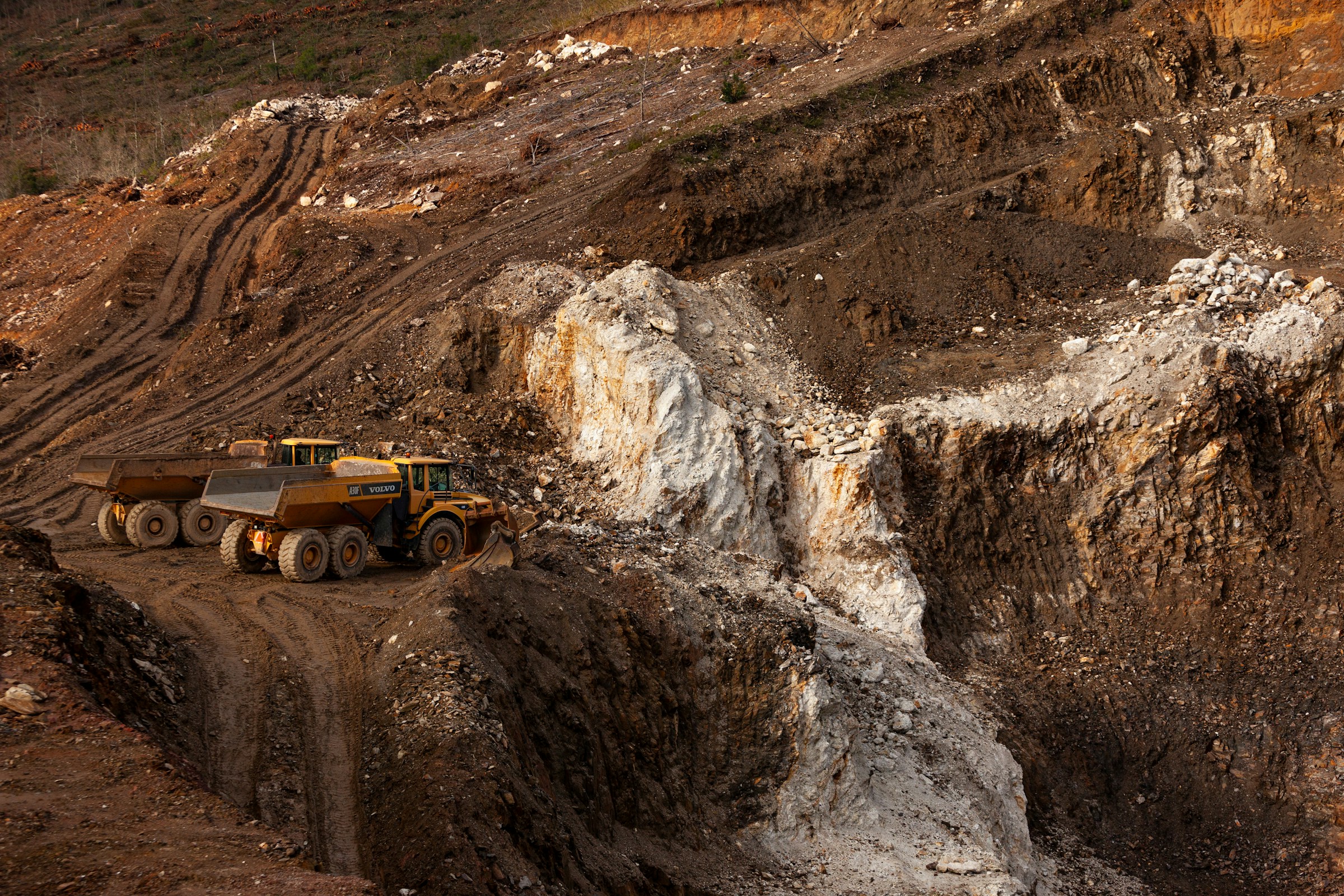

An SMKP audit is a systematic evaluation process to assess the extent to which a mining company implements a Mineral and Coal Mining Safety Management System (SMKP) in accordance with applicable regulations. For IUP, IUPK, and IUJP holders, this audit is not merely a compliance formality, but rather a strategic instrument to ensure safe, efficient mining operations and adherence to good mining techniques. This article comprehensively discusses SMKP audits, their objectives, criteria, implementation examples, and a checklist you can use as a reference for internal audits.
What is a SMKP Audit?
A Mining Safety Management System (SMKP) audit is a structured examination and assessment of the implementation of a Mining Safety Management System (SMKP) at a mining company. This audit evaluates not only the completeness of documentation but also how safety policies are actually implemented in the field.
SMKP Minerba is regulated through the Minister of Energy and Mineral Resources Regulation No. 26 of 2018, with implementation guidelines in the Minister of Energy and Mineral Resources Decree No. 1827 K/30/MEM/2018, as well as technical instructions for assessment and reporting in the Director General of Mineral and Coal Decree No. 185.K/37.04/DJB/2019. This regulation is a mandatory reference for all mining business permit holders in Indonesia.
SMKP audits are divided into two types:
- Internal audit, carried out by the company's internal team at least once a year.
- External Audit, carried out by an accredited independent audit institution appointed by the Director General of Minerals and Coal.
What Are the Legal Basis and Obligations of SMKP Audits?
The implementation and audit of SMKP is mandatory, not optional. This obligation applies to all holders of Exploration Mining Business Licenses (IUP), Exploration Mining Business Licenses (IUPK), Production Operation Mining Business Licenses (IUPK), Production Operation Mining Business Licenses (IUPS) specifically for processing/refining, and companies holding Mining Service Business Licenses (IUJP).
Some of the main regulatory bases that need to be understood:
- ESDM Ministerial Regulation No. 26 of 2018 — regulate the implementation of good mining principles and supervision of mineral and coal mining.
- Minister of Energy and Mineral Resources Decree No. 1827 K/30/MEM/2018 — contains guidelines for implementing good mining engineering principles, including the SMKP structure.
- Decree of the Director General of Mineral and Coal No. 185.K/37.04/DJB/2019 — technical instructions for the implementation, assessment and reporting of SMKP.
Failure to implement or audit SMKP can result in administrative sanctions, reduced credibility in the eyes of regulators, and serious operational risks.
What Is the Purpose of an SMKP Audit?
The purpose of an SMKP audit is not limited to fulfilling regulatory obligations. More broadly, this audit is designed to add value to the sustainability of a company's operations. Its main objectives are:
- Ensuring regulatory compliance — verify that the implementation of SMKP is in accordance with the provisions of ESDM Ministerial Decree No. 1827 and its derivative regulations.
- Identifying nonconformity — find gaps between written procedures and field practices before they develop into incidents.
- Assessing system effectiveness — measures the extent to which safety systems actually reduce the risk of workplace accidents.
- Driving continuous improvement — produce concrete recommendations for strengthening each element of SMKP.
- Increase company credibility — provide assurance to regulators, business partners and investors that operations are conducted responsibly.
What Are the SMKP Audit Criteria: 7 Main Elements?
The SMKP audit criteria refer to the seven elements of the Minerba SMKP stipulated in ESDM Ministerial Decree No. 1827 K/30/MEM/2018. Each element serves as an assessment parameter that must be verified by the auditor. These seven elements are:
- Policy — the company has a written mining safety policy signed by top management as proof of commitment.
- Planning — includes risk management, hazard identification, risk assessment, and the establishment of safety objectives and programs (e.g., through the HIRADC method).
- Organization and Personnel — clarity of structure, roles and responsibilities, including the competencies of the Head of Mining Engineering (KTT) and other key personnel.
- Implementation — implementation of safety programs in the field, such as K3 induction, inspections, operating procedures, and emergency management.
- Monitoring, Evaluation, and Follow-up — monitoring mechanisms, performance measurement, internal audits, and corrective actions.
- Documentation — systematic and easily traceable management of SMKP documents and records.
- Management Review and Performance Improvement — periodic evaluation by top management to ensure the system continues to improve.
Interestingly, field implementation studies show that documentation and management review elements generally have high compliance rates, while implementation and monitoring are often weak points. This underscores the importance of audits that emphasize field verification, not just document review.

What Are Examples of SMKP Audits in the Field?
To understand its application, here is an example of an SMKP audit on several elements:
- Policy Elements: The auditor verifies the existence of a safety policy document, ensuring it has been signed by top management, communicated to all workers, and reviewed periodically.
- Planning Elements: The auditor reviews the HIRADC documents, ensuring that any operational hazards (e.g. landslide risks, gas exposure, heavy equipment accidents) have been identified and accompanied by a control plan.
- Implementation Elements: Auditors conduct field observations to ensure that new workers undergo K3 induction, the use of PPE is adhered to, and daily inspections are actually carried out.
- Monitoring Elements: The auditor reviews previous internal audit reports, checks the status of follow-up on findings, and evaluates whether major findings have been closed.
Common findings include procedural inconsistencies, insufficient evidence of training, and suboptimal housekeeping conditions. These findings form the basis for recommendations for improvement in the audit report.
What Are the Steps for Conducting an SMKP Internal Audit?
Internal audits of the SMKP must be conducted at least once a year by the company's internal team. Proper implementation generally follows these steps:
- Audit planning — determine the scope, schedule, auditor team, and audit criteria based on the seven SMKP elements.
- Compiling a checklist — prepare a checklist that breaks down each element into measurable indicators.
- Audit implementation — gather evidence through document reviews, interviews, and field observations.
- Analysis of findings — classify nonconformities as major or minor findings.
- Reporting — prepare an audit report containing findings, level of compliance, and recommendations.
- Follow-up — ensure that any findings are followed up with verified corrective actions.
Internal Auditor should have independence regarding the audited area so that the assessment remains objective.
SMKP Audit Checklist
An SMKP audit checklist helps ensure no elements are overlooked. Here's an example of a checklist that can be adapted to suit your company's needs:
Policy
- Is a mining safety policy in place and signed by top management?
- Are policies communicated to all levels of the organization?
Planning
- Is the risk management document (HIRADC) available and updated?
- Are safety goals and programs set in measurable terms?
Organization and Personnel
- Is the safety organizational structure clear with division of responsibilities?
- Do the summit and key personnel have the appropriate competencies and certifications?
Implementation
- Is an OHS induction program implemented for new workers?
- Are routine inspections and use of PPE documented?
Evaluation
- Are internal audits conducted at least once a year?
- Have previous findings been followed up?
Documentation
- Are SMKP documents and records managed and easily traceable?
Management Review
- Are management reviews conducted periodically and documented?
This checklist should be broken down into more detail per sub-element so that the audit is more precise and the results can be measured consistently from year to year.
How Does Audithink Help Internal SMKP Audits?
- Planning: the scope, schedule, auditor team, and budget for the annual SMKP audit are arranged in one plan.
- Program template: checklists per SMKP element can be built as templates, then used directly or adjusted per site each year.
- Notice: findings and corrective action recommendations are validated and discussed with auditees through the comment column.
- Monitoring and automatic reports: completion of corrective actions is monitored in real time, and audit reports are generated automatically in the required format.
Checklist content, the classification of major and minor findings, and the report format for the Directorate General of Minerba still follow the applicable provisions and can be discussed as customization with a Product Expert. Audithink does not replace certified internal SMKP auditors. An implementation example in the mining sector can be seen in the the PT Timah Tbk case study.
Frequently Asked Questions
What is a SMKP audit?
An SMKP audit is a systematic evaluation of the implementation of the Mineral and Coal Mining Safety Management System (SMKP) in mining companies. This audit assesses compliance with the seven SMKP elements as stipulated in ESDM Ministerial Decree No. 1827 K/30/MEM/2018, covering both documents and field practices.
How many times must SMKP internal audits be conducted?
Internal audits of SMKP must be carried out at least once a year by the internal team of companies holding IUP, IUPK, or IUJP, in accordance with applicable mineral and coal regulations.
What is the difference between SMKP internal and external audits?
Internal audits are conducted by the company's own internal team, while external audits are conducted by an accredited independent audit institution appointed by the Director General of Minerals and Coal.
What are the SMKP audit criteria?
The SMKP audit criteria refer to seven elements: policy, planning, organization and personnel, implementation, monitoring and evaluation, documentation, and management review and performance improvement.
What is the legal basis for the SMKP Minerba audit?
The main legal basis is ESDM Ministerial Regulation No. 26 of 2018, ESDM Ministerial Decree No. 1827 K/30/MEM/2018, and Director General of Mineral and Coal Decree No. 185.K/37.04/DJB/2019.
What is an SMKP auditor?
An SMKP auditor assesses how a mining company implements the seven elements of the Minerba SMKP (mining safety management system). In an internal audit, the auditors come from the company's internal team and should be independent of the area being audited. In an external audit, the assessment is carried out by an accredited independent audit body appointed by the Director General of Mineral and Coal.
Manage Your SMKP Audits in a More Structured Way
Managing an SMKP audit with seven elements, hundreds of checklist points, and follow-up on findings that must be documented is not an easy job if you still rely on manual spreadsheets. Audithink comes as an internal audit management platform that helps your team design checklists, manage findings, monitor follow-up, and compile audit reports in a structured and traceable manner.
If your company wants to improve the effectiveness and compliance of SMKP audits, schedule a consultation with our team to see how Audithink can support your mining safety audit process.
See also how Audithink for mining companies helps document internal SMKP audits, from planning to follow-up on findings, in one system.