
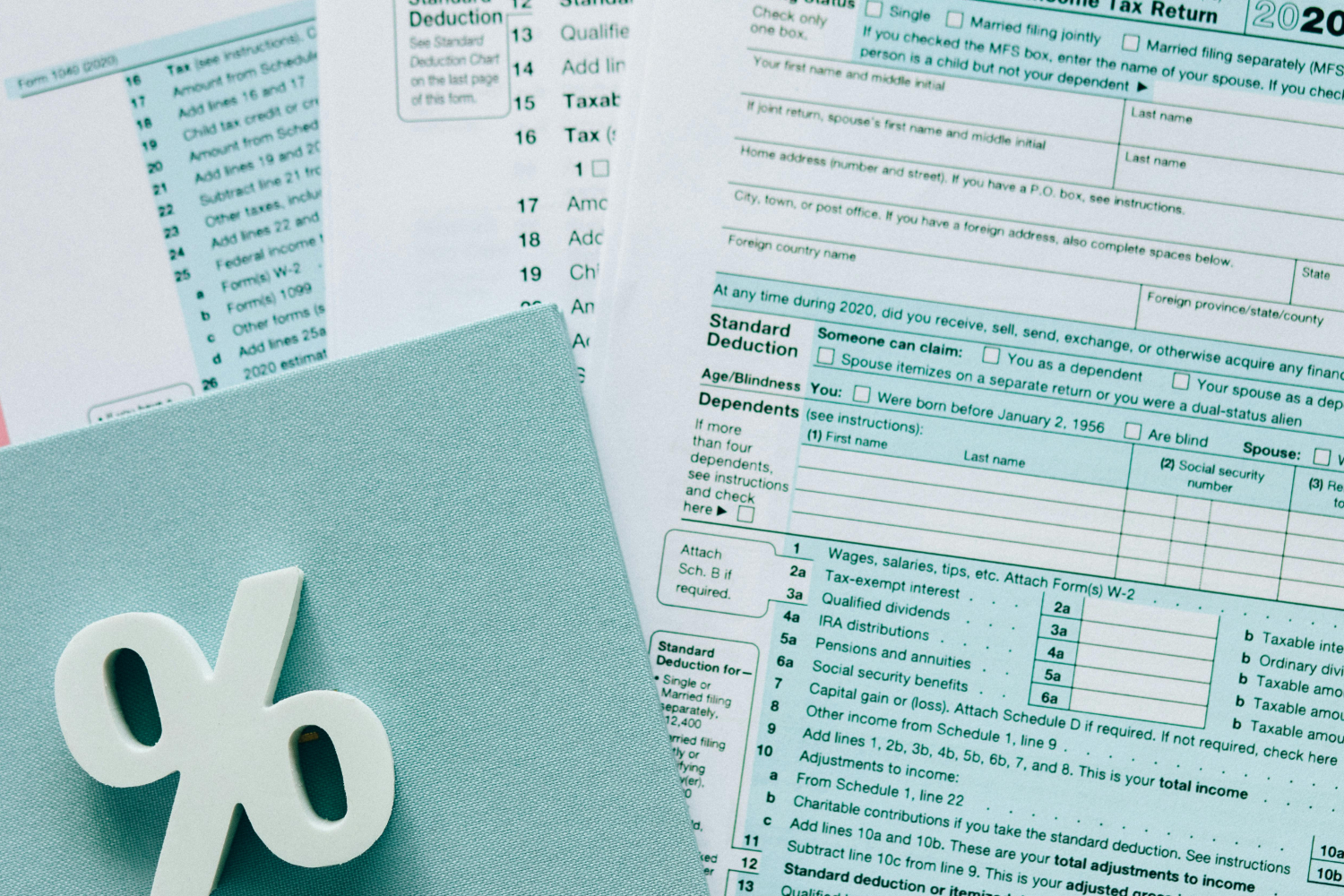
Basically, tax audits are different from other audits in which the company will assign an internal or external audit team to examine its finances and operations.
This is because the tax audit is not carried out at the request of the organization or company, but rather as a tax authority.
In addition, tax audits do not need to be carried out by every taxpayer because the DGT will determine who needs to be examined based on the risk selection system.
Taxpayers who are found to have indications of discrepancies in the Tax Report cannot refuse a tax audit conducted by the DGT, as this is mandatory.
What Is A Tax Audit
Tax Audit is a tax examination process that enables the Directorate General of Taxes to collect and analyze tax data to ensure taxpayers’ compliance with their tax obligations and tax regulations.
The DGT will deliver a summons in the form of an examination letter and a notification of the results of the examination in the form of a notification of the results of the examination (SPHP).
The submission of the SPHP will also attach a list of the findings of the examination that need to be considered and understood by taxpayers to ensure the fulfillment of their rights and obligations during the tax audit.
The DGT or Directorate General of taxes under the Ministry of Finance of the Republic of Indonesia directs a tax auditor to conduct a tax audit.
This is the responsibility of the DGT in carrying out regulations, namely by doing a compliance audit to check the compliance and suitability of the taxpayer's annual notification letter (SPT) to the tax laws.
Why Is Tax Audit Necessary?

Basically, the tax system in Indonesia self-assessment is the reason why the need for tax audits.
The system allows taxpayers, including individuals, organizations, and corporations, to calculate and report their own taxes.
This makes it necessary to check the conformity of the report to the relevant rules.
The legal basis for tax audits is in accordance with the KUP law or the General Provisions and Tax Procedures Law in the last update, namely the HPP law No.7 of 2021.
Among the checks carried out to assess taxpayer compliance with tax obligations are the following:
- Examination of notification letter reporting (SPT) which includes overpayment tax return, underpayment tax return, loss tax return, and the accuracy of delivery time.
- Negative tax return examination, taxpayers who report taxes in a loss or overpayment condition, so this examination is carried out to review tax obligations that have been fulfilled or not.
Conveniently, this examination is carried out to ensure the conformity of the taxpayer's report with reality and the absence of non-compliance or violation of taxation.
The tax audit also carried out when the following things happen:
- Submission of deletion of Taxpayer Identification Number (NPWP) that is not effective
- Issuance of Taxpayer Identification Number (NPWP) based on position
- Confirmation of taxable entrepreneurs (PKP) by position
- Revocation of PKP
- Filing an appeal or objection to a decision made by the DGT or the government
- Collection of supporting information to compile the norm for calculating net income (NPPN)
- Identification and determination of taxpayers in remote areas
- Identification and localisation of Value Added Tax (PPN) payable and other administrative purposes
Types Of Tax Audits
To ensure taxpayers’ compliance with their tax obligations, two types of audit are conducted. These include on-site audits and desk audits.
1. Field Inspection
Location: tax audits are carried out at the location of the taxpayer's residence, place of work, place of business, and other locations deemed necessary by auditor to check.
Duration: the examination shall be carried out for a maximum of 6 months from the date of notification of the examination to the taxpayer until the SPHP reaches the taxpayer, representative, proxy, employee, or adult family member of the taxpayer.
Purpose: examination of the fulfillment of tax obligations by taxpayers.
Results: the auditor will submit the SPHP along with the findings from the examination results.
2. Office Inspection
Location: tax audits are carried out at the Office of the Directorate General of taxes (DJP) or at the Tax Office.
Duration: this examination is carried out for a maximum of 4 months from the time the taxpayer comes to fulfill the summons to conduct an office examination until the SPHP reaches the taxpayer, representative, power of attorney, employee, or adult family member of the taxpayer.
Purpose: examination to ensure compliance and suitability of the taxpayer's tax report with tax regulations.
Results: the auditor will submit the SPHP with the attachment of the findings of the examination.
Required tax Audit documents
The documents that need to be prepared for the tax audit process are as follows:
- Financial statements or bookkeeping
- Tax reporting documents
- Internal audit report
- Bank account documents
- Contract documents relating to tax activities
- Asset documents
- Other documents relating to the taxpayer
Tax Audit Process

Now that you’ve learned a few important things about tax audits, you need to understand the steps involved in the tax audit process.
Among the stages of the audit process carried out under the provisions of the tax legislation are as follows:
- Identify and determine the location of the taxpayer to be examined
- Develop the scope of the examination covering the areas and aspects to be examined
- Determine documents or financial statements belonging to the taxpayer that need to be checked
- Submit a summons to the taxpayer to conduct an examination
- Checking the completeness of files or documents required in the tax audit process
- Checking and analyzing the suitability of financial statements and tax returns of taxpayers against tax rules
- Prepare audit findings based on the identification of problems or nonconformities found during the tax audit process
- Make a report on the results of the examination and submit its findings together with the SPHP to the taxpayer
Read Also: Complete Guide to Audit procedures, stages, and examples
Tax Audit Example
Suspect HBW, a director at PT BPE, has complied with the DGT’s summons regarding a case involving the issuance of fictitious tax invoices, a tax violation that resulted in a loss to state revenue of approximately 3.7 billion rupiah.
The HBW suspect is suspected of having issued tax invoices that were not based on actual transactions from January 2018 to May 2019.
Due to the possibility of finding discrepancies in PT BPE's tax reports, such as fictitious tax invoices, HBW finally fulfilled the DJP investigator's call to hand over the suspect's responsibility and Phase II evidence.
In this case, the suspect of HBW violates Article 39A letter A which reads “Any person who deliberately issues fictitious tax invoices can be punished”.
Next is Article 43 paragraph (1) which reads:
- Threat of punishment: minimum 2 years and maximum 6 years in prison
- Fines: 2 to 6 times the tax amount of the fictitious tax invoice
Thus, the findings in the tax audit, which indicate the non-compliance of the report with tax rules, allow the DJP to submit suspects for processing through legal channels.
Conclusion
Thus is a complete explanation of the tax audit which has an important role in identifying the occurrence of fraud or tax violations.
Not only tax audits have an important role in reviewing tax obligations, because other audits such as compliance audits, financial audits, and others are also necessary for the sustainability of a company or organization.
Audithink is an application that allows the audit team to be more easily able to run the audit process, this is because with the efficiency of time and energy can provide optimal results.
Audithink is also equipped with features that support the growth of your company, such as Risk Assessment, Planning, notification, Monitoring, and so on. Immediately schedule an app demo for your company and see how Audithink will help your audit process!