
Internet is a method of data exchange between computer networks which provides comprehensive information services.
In the era of very rapid technological development, the internet has become an indispensable part of human life.
Almost all ages are involved with the internet in everyday life, so it feels like a basic necessity.
The convenience presented by the internet is very diverse. Starting from remote communication, banking transactions online, to online shopping, everything can be done smoothly thanks to the internet. In fact, when we face confusion, solutions are often found through searching the internet.
It is no longer a strange thing if we hear the term internet. However, as a user, have you understood what the internet is and its good and bad effects?
What is Internet?
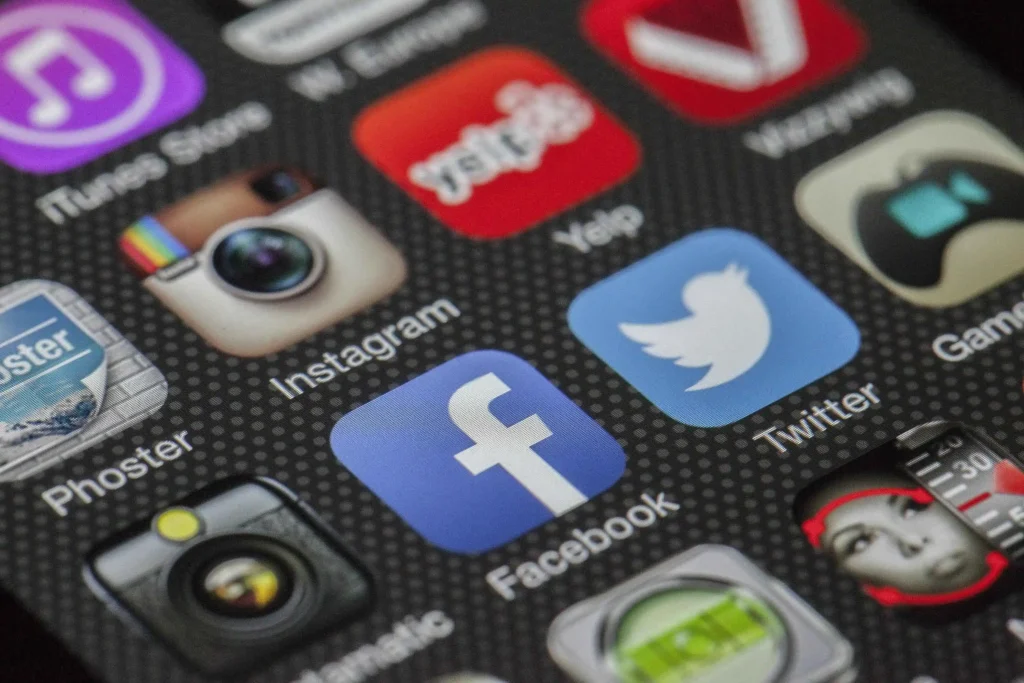
The Internet is an abbreviation of interconnected networking. The meaning of the internet may vary, depending on the views of experts and the sources referred to. In the following we have summarized some definitions of the internet according to experts.
1. Onno W. Purbo
Onno W. Purbo, an information technology expert, explained that the internet is a medium that allows the communication process to be more efficient. This happens because the device can connect to various applications such as web, voip, and e-mail.
2. Tim Berners-Lee
Tim Berners-Lee, creator world wide web or www, explains that the internet is a network consisting of several interconnected networks. According to him, this concept means that a local computer network can connect with other networks, forming a larger network within the internet.
3. Drew Heywood
Drew Heywood (1996) explains that the internet is a technological term that first appeared in the late 60s when the United States Department of Defense (DoD) needed a new standard for internetworking communication.
This standard is designed to connect various types of computers in the DoD with computers belonging to military contractors, research organizations, as well as universities. These networks must be strong, secure, and still function despite damage from disasters or war.
4. Sarwono
According to Sarwono, the internet is a collection of global networks. Initially, the internet was only used in the military sphere, but now it is accessible to the wider public. In addition, Sarwono stressed that no party is directly responsible for operating the internet.
5. O'brien
According to O'brien, the internet is a rapidly growing computer network. These networks bring great benefits to various fields, such as business, education, and government, by enabling connections and interactions between networks in those various sectors.
6. Lani Sidharta
Lani Sidharta argues that the internet is a method of data exchange between computer networks that provide comprehensive information services. In addition, the internet is also considered a powerful virtual counterpart, often used in various fields such as business, politics and entertainment.
7. Sibero
According to Sibero, the internet is a computer network that connects devices globally. He called the internet “nature's network " because of its vast scope.
Sibero explains that the internet allows computers around the world to be interconnected, both through local networks and global networks. This connection is carried out using the same communication protocols, such as IP and TCP.
8. Ned Snell
According to Ned Snell, the internet is a corridor that provides various types of resources, where each resource can be accessed through different devices.
9. Allan
Computer networking expert Allan explains that the internet is a global network that connects many computers. These computers communicate using rules called protocols, such as Internet Protocol (IP) and Transmission Control Protocol (TCP). These protocols help computers exchange data in an organized and understandable way between devices in the network.
10. Supriyanto
According to Supriyanto (2006), the internet is a network that connects many computers around the world, although each computer can use different operating systems and applications.
This connection can occur through various media, such as telephone or satellite, by utilizing standard communication protocols to ensure that the computers can interact with each other smoothly.
Various experts have different definitions of the internet. Having understood this basic concept, it is also important to know how the history of the internet developed until it became what it is today.
Internet History
The Internet first appeared in 1969 through the ARPANET project, developed by the United States Department of Defense. The project aims to connect multiple computers to form a more flexible communication network. ARPANET became the first milestone in the development of the internet network which then continued to grow.
In the 1980s, the use of the internet extended to academic circles, especially in top universities in the United States. In 1982, the TCP/IP standard protocol was introduced as the main way computers communicate in networks. Since then, the internet began to connect more and more networks around the world.
In 1990, the ARPANET was officially discontinued, but the idea of the internet continued to develop. In the same year, Tim Berners-Lee introduced world wide web (www), which allows graphic-based display of information. This became the basis of the internet we know today, paving the way for modern web services.
In Indonesia, the internet began to be known in the early 1990s under the name Paguyuban Network, which emphasizes cooperation and togetherness between users. The year 1994 became significant with the establishment of IndoNet, the first commercial internet service provider in Indonesia, which opened internet access to the wider community.
Over time, the internet in Indonesia continues to grow, driven by the community's need for access to information and communication. At present, the development of global networks is accelerating, with network technology having reached 5G. In addition, many countries are trying to expand the reach of the internet through the use of satellites to cover a larger area.

Internet Functions
The Internet today has a very broad role in various aspects of life, covering the fields of communication, education, business, to Entertainment. Here are some of the benefits of the internet in human life.
1. As A Medium Of Communication

The use of SMS or pulse-based telephony is increasingly displaced. Humans now more often communicate through social media, email, or applications such as zoom. The Internet plays an important role in facilitating communication.
The Internet is an effective tool for expanding networks, making it easier for us to communicate with anyone, anywhere. Time also feels more efficient and effective in carrying out communication activities.
2. As A Medium Of Information Access
The Internet allows us to access various information easily. The information can be text, images, video, or audio, and comes from a variety of sources around the world.
Without the internet, we would have to manually search for information through books or other physical sources. The Internet makes it easier to search and disseminate information in everyday life.
3. As Media Exchange Resources
The exchange of resources becomes an important part of everyday life. As individuals, we often want to share videos or photos with family. In the professional world, companies depend on sending documents between employees to achieve common goals.
Without the internet, this process would be hampered by distance and time, which directly lowers the efficiency and speed of information flow. By removing these barriers, the internet allows for rapid and seamless exchange of resources in a variety of situations.
4. As A News Access Media
One of the positive impacts of the internet is its role as the main source of news access. Each individual can follow the development of various events, such as politics, international relations, to sports. The Internet not only allows real-time consumption of news, but also gives access to multiple perspectives from multiple sources.
5. As An Entertainment Media
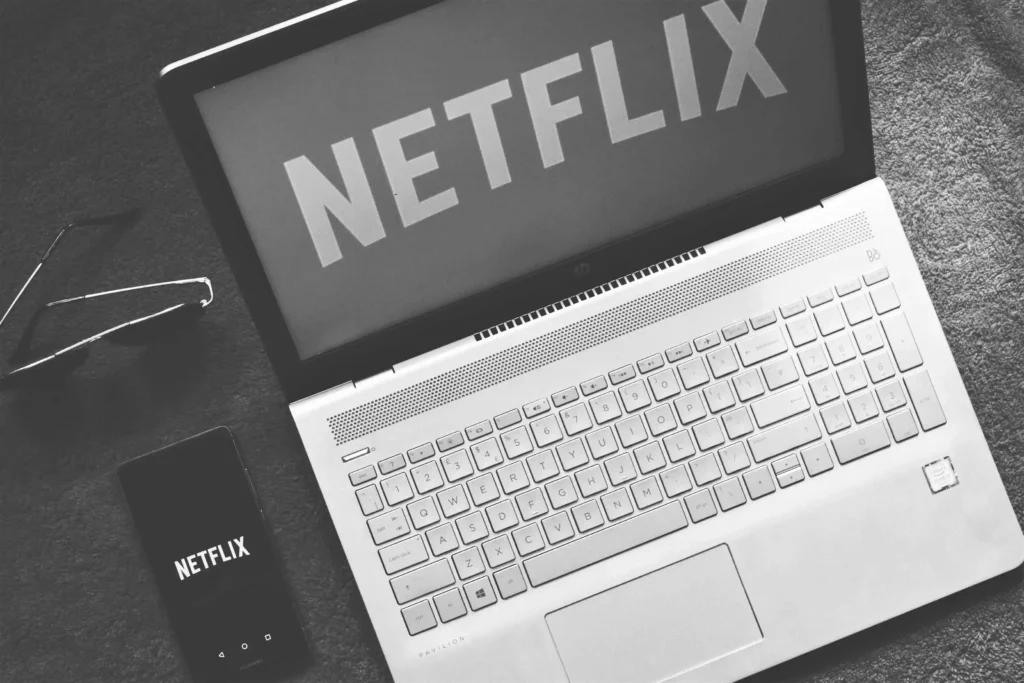
Finally, the positive impact of the internet is as a medium of entertainment. The Internet makes it easy to access entertainment such as movies, music, games, and other creative content. This entertainment can be enjoyed anytime and from anywhere through platforms such as streaming services, social media, to online games.
6. As An Educational Media
The Internet is one effective educational medium that provides easy access to learning resources, online courses, and research, enabling learners and educators to learn and share knowledge globally. Without the internet, access to information will be limited, and the learning process will be slower
7. As A Business Media

The Internet also supports business development by enabling promotions and transactions digitally, so that business people can reach a wider range of customers. Without the internet, business opportunities would be limited to local areas, reducing the potential for growth and innovation.
Negative Impact Of The Internet

It is undeniable, that the internet also brings a number of negative impacts. Here are some of the bad effects of the internet to watch out for:
- Hate speech
The Internet is often used as a means of spreading hate speech that can trigger social conflict and worsen relationships between individuals or groups. - Dissemination of illegal content
Many content on the internet is unlawful, such as pirated material, drugs, or illegal weapons, which can be easily accessed by users. - Cyber crimecyber crime)
The Internet is a fertile ground for various types of crime, such as hacking, fraud, and identity theft that can harm many parties. - Pornographic content
The rise of pornographic content on the internet can have a bad impact on morale and mental, especially on children and adolescents who have not been able to sort out information wisely. - Phishing
Phishing tactics are used by cybercriminals to steal sensitive information, such as passwords or financial data, by posing as a trusted party. - Data forgery
The Internet allows the falsification of data or information, where the perpetrator can alter important documents or information for personal gain. - Violation of Intellectual Property Rights (IPR)
Piracy of digital works such as music, films and books is increasingly widespread on the internet, which is a violation of Intellectual Property Rights. - Violation of privacy.
The Internet opens up opportunities for irresponsible parties to access personal or confidential information illegally, which is referred to as a violation of privacy.
By understanding these impacts, we can be more vigilant and wise in using the internet to avoid various threats
FAQ About the Internet
What is the internet?
Internet is short for interconnected networking — a method of exchanging data between computer networks that provides comprehensive information services, connecting devices worldwide through shared communication protocols such as TCP and IP.
What is the history of the internet?
The internet began with the US Department of Defense's ARPANET project in 1969. The TCP/IP protocol was introduced in 1982, ARPANET was retired in 1990, and that same year Tim Berners-Lee introduced the world wide web which became the foundation of the modern internet.
When did the internet enter Indonesia?
The internet became known in Indonesia in the early 1990s under the name Paguyuban Network. 1994 was a key milestone with the founding of IndoNet, the first commercial internet service provider opening access to the wider public.
What are the functions of the internet?
Seven functions: a communication medium, an information access medium, a medium for exchanging resources such as documents and files, a medium for accessing news in operated, an entertainment medium, an education medium through online courses and learning resources, and a business medium for promotion and digital transactions.
What are the negative impacts of the internet?
Eight impacts to watch out for: hate speech, distribution of illegal content, cybercrime such as hacking and fraud, pornographic content, phishing, data forgery, intellectual property rights violations, and privacy violations.
What is phishing?
Phishing is a tactic cybercriminals use to steal sensitive information such as passwords or financial data by posing as a trusted party.
Conclusion
Internet is an aspect that becomes an essential part in supporting the development of technology and meeting the needs of society in various fields. However, there are also adverse effects to watch out for.
The Internet has also changed the way companies manage internal systems. By Application Audithink, the company's audit team can conduct real-time monitoring and share data quickly.