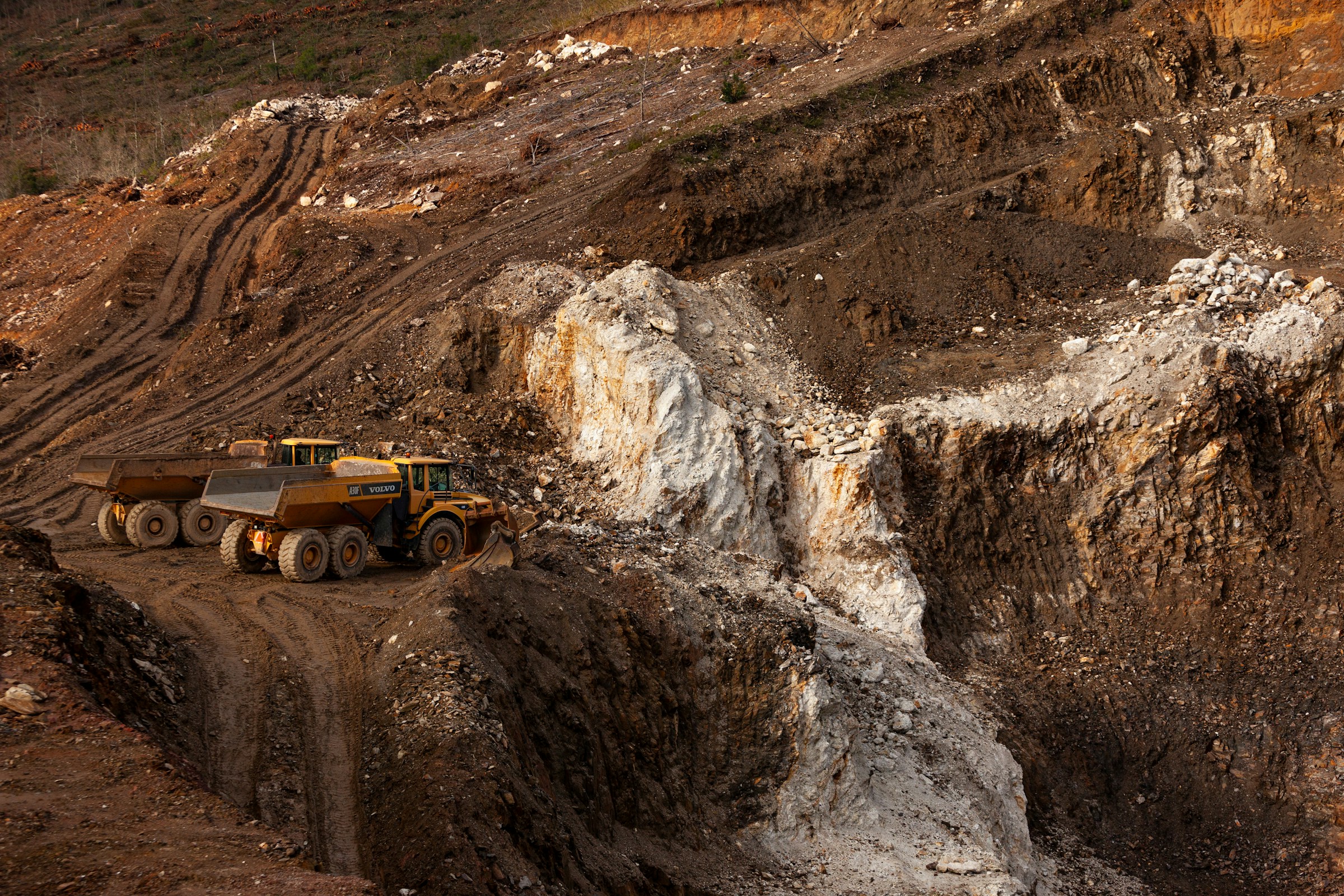
Photo by Abdul Basit on Unsplash
Mining production audits help companies track data from production activities to material distribution. This article discusses fuel monitoring, stockpile audits, trip control, and integrated operational monitoring.
Why Is Mining Production Auditing Important for Preventing Operational Leakage?
Mining production audits focus beyond achieving tonnage targets. Audits should encompass resource utilization, material movement, fuel consumption, and production record keeping.
Discrepancies between administrative data and field conditions can indicate control weaknesses. These discrepancies need to be investigated based on transaction evidence and operational activities.
The need for oversight is increasingly important because mining activities involve a long operational chain. Production, transportation, stockpile, and sales data must be traceable.
The Ministry of Energy and Mineral Resources also prioritizes production and reserve data as a crucial component of mineral and coal resource management. Accurate data is essential to support planning and monitoring.
What Is the Strategy for Auditing Mining Fuel Supervision and Fuel Consumption Efficiency?
Fuel is a crucial component in heavy equipment operation. High consumption can increase production costs if it doesn't align with unit activity.
A mining fuel monitoring audit can begin by comparing fuel receipt, storage, distribution, and usage. Each transfer must be documented and recorded consistently. This practice aligns with the fuel audit approach in the plantation sector, which also emphasizes reconciliation between receipt and distribution.
Auditors You can also compare actual consumption with operating hours, mileage, equipment type, and workload. This analysis helps identify usage patterns that require further investigation.
Fuel Distribution Supervision from Storage Tanks to Heavy Equipment Units
Control begins with the receipt of fuel at the storage area. Auditors can check incoming volumes, receiving documentation, tank measurement results, and compliance with orders.
The next stage involves distribution to heavy equipment. Filling data can be compared against unit identity, fill time, liter count, and operational activity.
Integrated record-keeping helps establish a transaction trail. If discrepancies arise between the amounts received and disbursed, auditors can trace the origin of the discrepancy. Integration of fuel sensors and GPS, as McEasy discusses, can support this. internal audit on fuel usage and truck operations.
Identification of Specification Deviations and Potential Fuel Losses in Fuel Transactions
Audits also need to consider the specifications of the fuel the company receives. The review may include supplier documentation, test results, volume, and product compliance with purchasing requirements.
Fuel loss needs to be analyzed based on storage and distribution processes. Discrepancies don't always indicate fraud, as they can be related to measurements, tank conditions, or operational processes.
Auditors need to use supporting evidence before concluding the cause of a discrepancy. This approach helps distinguish between recording errors, operational losses, and indications of irregularities.

What Is the Procedure for Auditing Coal Stockpiles and Reconciling Tonnage Volumes?
Magnificent
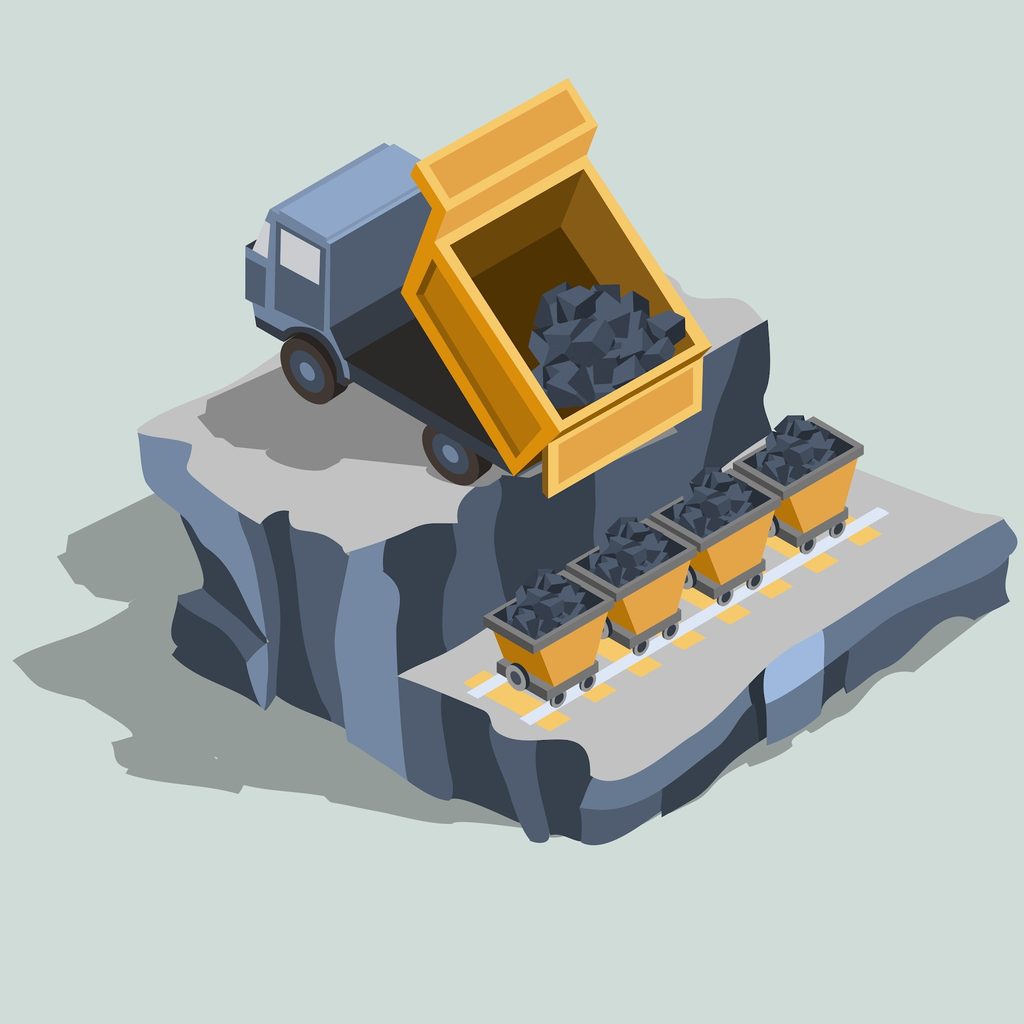
Stockpiles are a critical area of production control as materials move from the mining site to storage. Actual volumes need to be reconciled with production and shipping records.
The coal stockpile audit method can be started by checking incoming material data, outgoing material data, measurement results, and inventory balances.
Inspections also need to consider the quality and location of coal placement. Mining regulations emphasize recording tonnage and quality, as well as controlling the decline in tonnage and quality in certain areas.
Drone Survey and Topography-Based Stockpile Volume Measurement
Stockpile measurements can utilize drone-based mapping technology. The resulting spatial data can then be used to calculate volume based on the shape and condition of the stockpile.
The Ministry of Energy and Mineral Resources (BPSDM ESDM) noted that the use of drones for mapping and data analysis is growing, including supporting resource inventory and field monitoring.
Measurement results must still adhere to the company's methods and technical standards. Auditors can compare survey results with inventory records and previous measurements.
This reconciliation helps identify volume changes that do not correspond to material movements. The results can form the basis for further audits of production and distribution processes.
Shrinkage Control and Self-Burn in Stockpile Areas
Tonnage changes are not always caused by recording errors. Material shrinkage can be related to coal characteristics, handling processes, and storage conditions.
Self-burning is also a concern in stockpile management. Storage conditions, temperature, material quality, and stockpile management must be checked according to company operational procedures.
An audit can test whether volume discrepancies are adequately documented. Regular measurement records help companies distinguish operational shrinkage from discrepancies that require investigation.
What Are Effective Methods to Prevent Mining Trip Fraud and Scale Manipulation?
Routes show the movement of materials from one location to the next. This data can be a crucial part of reconciling production and shipping.
Preventing fraud in mining trips requires control over the vehicle, driver, travel time, location, load, and weighing results. Practices such as partial weighing and double-weighing is a commonly found mode, as reviewed in the study of the anti-fraud system for mining weighing.
See also: What is audit Fraud? Definition, types of fraud, and Prevention
Auditors can compare dispatch data, weigh tickets, GPS, and receiving records. Discrepancies in time, vehicle, or volume can be indicators that need to be examined.
Scale controls should also encompass user access and data changes. Restricting access rights helps maintain the integrity of the information underlying tonnage recording, as scale data manipulation often occurs when systems are not integrated online.
How Is a Mining Operations Monitoring System Integrated with Compliance Review?
Oversight will be more effective when operational data can be collected in an interconnected system. Information on production, fuel, tripping, stockpiles, and audit findings can be analyzed in an integrated manner.
Compliance review This can then be used to compare actual activities with applicable internal policies and regulations. This approach helps auditors view risks more comprehensively.
Audithink support the audit process starting from risk assessment, planning, audit programs, working papers, reporting, to follow-up monitoring.
A risk-based approach can also help teams identify areas that require more in-depth examination. Audithink lists support risk-based internal audit as part of its platform.
FAQ
What is meant by mining production audit?
A mining production audit is an examination of production processes, material records, resource use, and operational controls.
Why is a mining fuel monitoring audit necessary?
Audits help companies match fuel receipts, storage, distribution and consumption with actual operational activities.
How to audit coal stockpiles?
Inspections may include reconciliation of incoming and outgoing materials, volume measurements, coal quality, inventory records, and storage conditions.
How to prevent mining fraud?
Control can be done by matching vehicle data, weigh tickets, GPS, dispatch system, travel time, and material receipt records.
What is the function of a digital audit system for mining companies?
Digital audit systems help manage planning, working papers, audit evidence, findings, reporting, and follow-up in a more structured manner.
Conclusion
Production audits help companies see the relationship between field activities, resource usage, record keeping, and internal controls.
Integrated monitoring can help auditors track production data, fuel, stockpiles, trips, and follow-up findings in a more structured manner.
Audithink provides an internal audit management platform that supports audit planning, execution, reporting, and follow-up monitoring. The platform can also be customized to meet an organization's needs.
Learn about your audit process digitalization needs through Audithink, then schedule a demo to see the application workflow through Demo Audithink.