
Audit Assertions in the GRC Framework for Risk Control

Audit assertions and the GRC framework form the foundation of public trust in a business entity. Understand how the two connect and their role in organizational risk control.
Differences between Gap Analysis and Risk Assessment in Audit
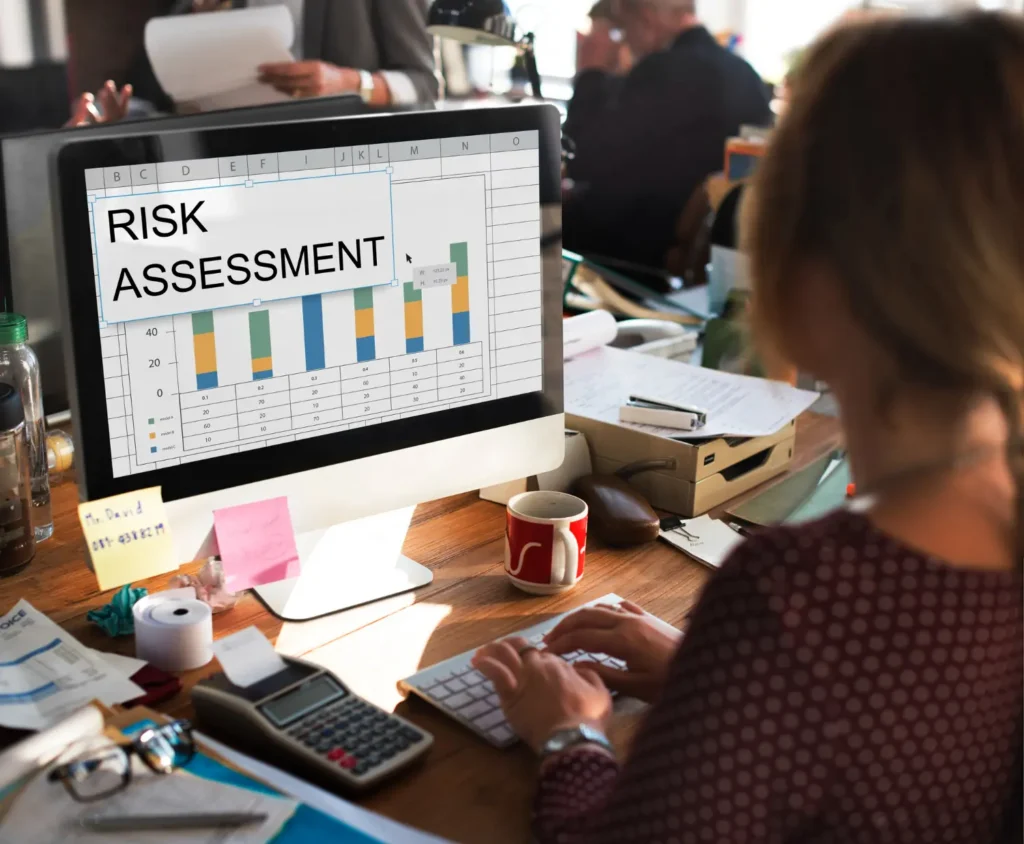
Gap analysis and risk assessment are often mixed up even though their goals, methodologies, and outputs differ. Understand the differences so both are used correctly in audits and GRC implementation.
How to Develop an AI-Based GRC Feasibility Study for Modern Enterprises

Before applying AI in a GRC system, companies need a thorough feasibility study so the technology investment is optimal and creates no new risks. Learn how to prepare one.
Cyber GRC Trends 2026: Strategies for Addressing Digital Security Risks

Cyber threats grow more complex and new regulations keep emerging after incidents occur. See the 2026 cyber GRC trends and corporate strategies for facing digital security risks.
Common Mistakes in Audit Technology Adoption and Their Impact

Enthusiasm for audit digitalization is often not matched by careful planning. Learn the common mistakes in adopting audit technology and their impact on examination quality.
Addressing Recurring Audit Findings to Improve Internal Control Effectiveness

The same findings keep appearing in the next audit cycle even though recommendations were given. Understand the causes of recurring audit findings and how to address them to strengthen internal control.
Shadow AI: The Risks of Illegal AI Use and Mitigation Strategies through the GRC Framework

Shadow AI is the use of AI applications without organizational oversight. Learn its risks to data and compliance, plus mitigation strategies through the GRC framework.
RCSA Key Factors for Building a Corporate Risk and Control Self-Assessment
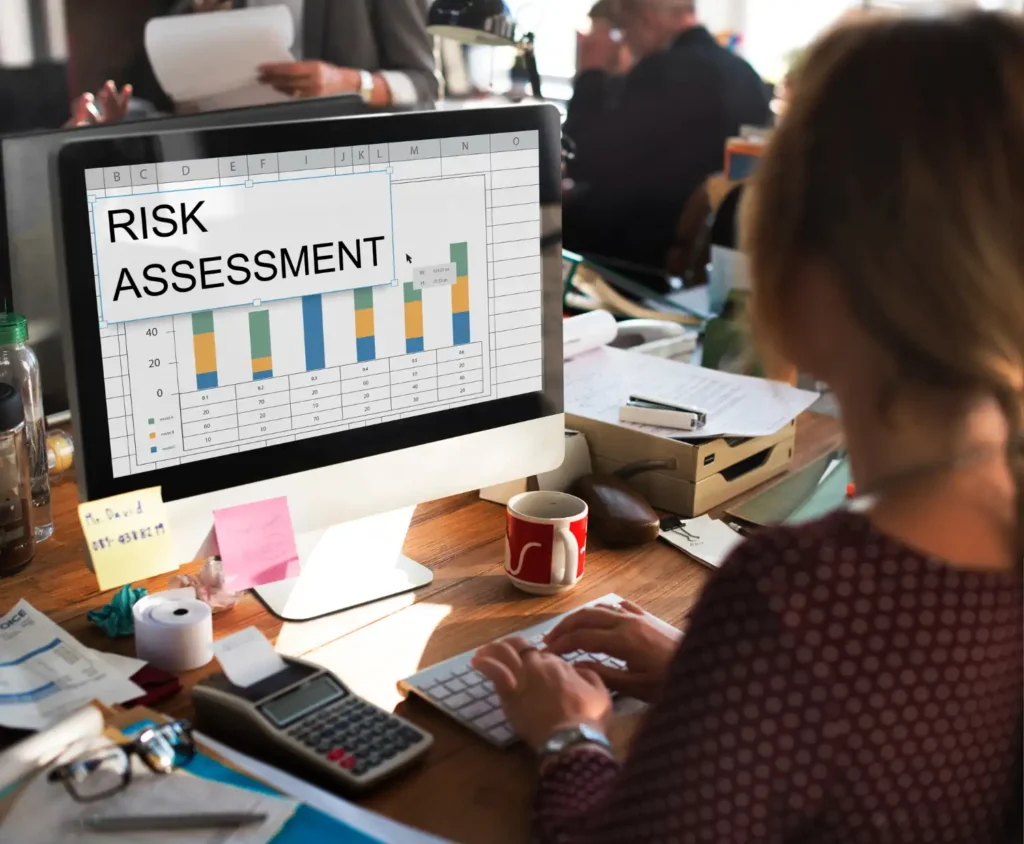
Risk Control Self Assessment makes work units the main actors in assessing and managing their own risks. Learn the key factors for building effective RCSA in a company.
Aligning Global Audit Standards with Corporate GRC Programs

Auditing standards govern auditors' responsibilities, from ethical provisions to audit evidence. Learn how to align them with the company's GRC program so the two move together.