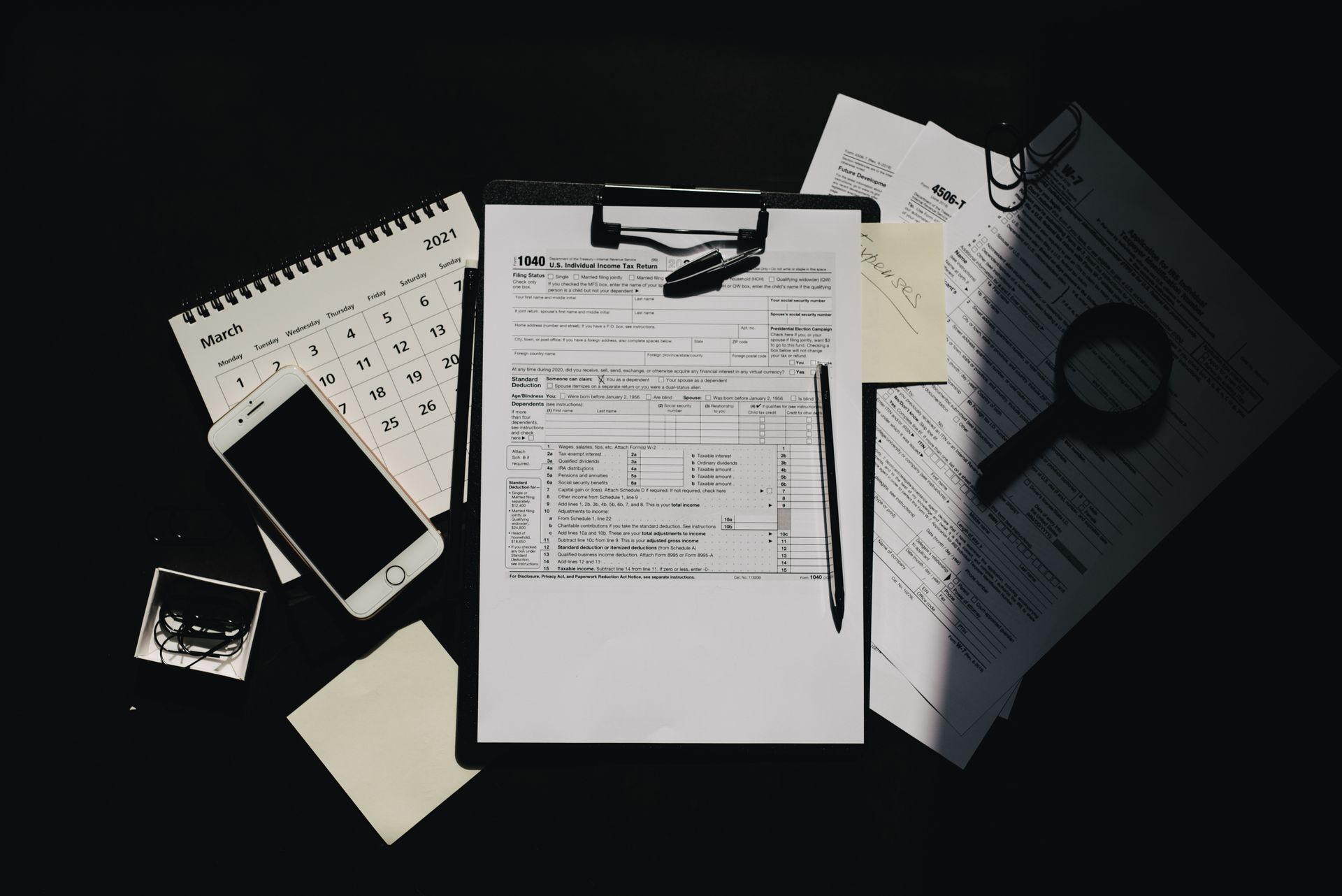

Photo by Vitaly Gariev on Unsplash
Various types of internal audit requires interconnected documentation, audit methods, and coordination. Without an integrated system, auditors risk facing disparate data, duplication of work, and reporting delays.
An integrated audit platform helps unify these processes into a single system. This article discusses audit management challenges, strategies for preventing data silos, and Audithink's role in supporting internal audit orchestration.
The Challenge of Managing Multiple Types of Audits Separately
Companies conduct various types of audits to evaluate performance, compliance, internal controls, and information technology security. Each audit generates data and evidence that must be systematically managed.
When different teams use different applications, spreadsheets, and storage, information consolidation becomes more complex. This can hinder coordination and make it difficult for management to obtain a comprehensive view of the organization's risks.
The Data Silo Problem in Operational, Compliance, and IT Audit Practices
Data silos occur when audit information is stored in disconnected systems or work units. As a result, auditors have difficulty accessing relevant information from other audits.
An operational audit might uncover process weaknesses, while a compliance audit might identify procedural inconsistencies. At the same time, an IT audit might uncover system access or security risks.
Without adequate information exchange, the relationships between these findings can potentially be missed. An integrated audit platform helps consolidate documentation so auditors can track information across audits within their jurisdiction.
Impact of Working Paper Fragmentation (Working Papers) and Audit Evidence
Working papers and audit evidence are essential to supporting audit conclusions. If files are scattered across multiple folders, emails, or devices, the search and verification process can take additional time.
Fragmentation also increases the risk of using outdated documents. Auditors may have difficulty determining the completeness of evidence, the status of the audit, and the relationship between findings and recommendations.
Centralized storage helps link working papers to related audit programs. This approach also facilitates documentation retrieval when auditors need supporting evidence or conduct follow-up examinations.
Integrated Audit Work System Concept for Internal Teams
An integrated audit work system connects the planning, implementation, documentation, reporting, and follow-up monitoring stages. Each stage generates information that can be used in subsequent processes.
Integration doesn't mean all types of audits must use identical audit procedures. Each assignment still requires a methodology tailored to the organization's objectives, risks, process characteristics, and standards.
The right platform provides a shared working structure while supporting audit program customization. This allows teams to maintain documentation consistency without neglecting the specific needs of each audit type.
Consolidation of Financial, Operational, and Technology Audit Methodologies
Financial audits focus on financial information, transactions, and relevant controls. Operational audits evaluate process efficiency, while technology audits assess IT system and control risks.
Each has a different scope, but can use a consistent documentation framework. For example, the auditor can organize the audit objectives, procedures, evidence, findings, and recommendations in a coherent structure.
Audit program templates help teams use pre-prepared procedures. Adjustments can still be made based on the specifics of the assignment, ensuring consistency without compromising audit accuracy.
Compliance Audit and IT Integration in One Framework Integrated
Compliance Audit examines the organization's activities to ensure they comply with applicable policies, procedures, and regulations. Meanwhile, IT audits assess the technological controls that support business processes.
The two can complement each other when companies use digital systems to implement processes governed by specific policies. Weaknesses in access arrangements, for example, can relate to the risk of breaching internal procedures.
Framework Integrated auditing helps auditors link the scope of the audit, relevant evidence, and findings. However, integration still requires attention to the auditor's competence, independence, and the limits of authority for each function.
Strategies to Prevent Audit Data Silos Using an Integrated Audit Platform
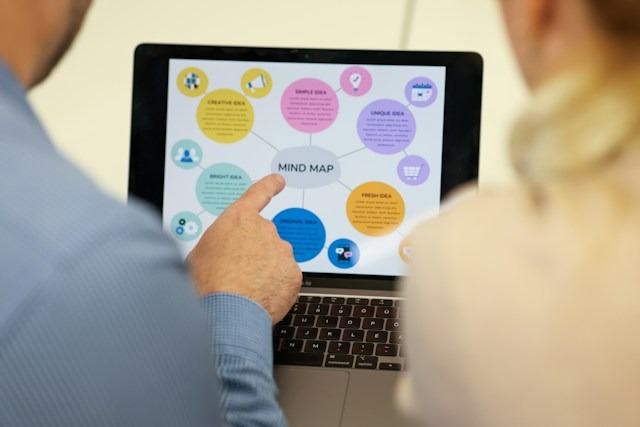
Photo by dlxmedia.hu on Unsplash
Implementing an integrated audit platform requires consistent data management policies. Technology alone isn't enough if each team continues to use different documentation formats and procedures.
Companies can start by mapping workflows, defining documentation standards, and establishing access rules. Next, system integration needs to be tailored to audit requirements and information security policies.
Standardization of Working Paper Formats and Filing of Audit Evidence
Standardization helps auditors document audits using a consistent structure. This format can include audit objectives, test steps, supporting evidence, audit results, and conclusions.
Companies also need to establish rules for file naming, document classification, and evidence storage. A uniform structure helps teams find information without relying on individual auditors' habits.
Audit platforms can support the use of program templates and digital workpapers. In Audithink, workpapers, evidence, and audit notes can be linked to the relevant audit program steps.
You da
Inter-Auditor Collaboration and Role-Based Access Management
Collaboration between auditors requires clear division of tasks and access to information. Each team member must understand their responsibilities, authority limits, and the stages of the work being carried out.
Role-Based Access Control (RBAC) allows access rights to be adjusted according to user roles. Auditor, head of audit, auditee, and management can obtain different authorities according to their responsibilities.
These settings help protect sensitive documents while supporting cross-unit coordination. Companies should also periodically review access rights and ensure critical activities are documented.
Internal Audit Type Management in Audithink Platform
Audithink is internal audit software that supports the management of the audit cycle in a single platform. The process encompasses risk assessment, planning, execution, documentation, reporting, and follow-up monitoring.
An integrated approach helps teams reduce reliance on separate documents. Information entered during audits can also support reporting and monitoring without the need for manual recapitulation.
Action Plan Dashboard Visibility and Follow-Up Monitoring
Dashboards help audit teams and management monitor audit progress and follow-up status. Available information can include the implementation of audit plans, the distribution of findings, and recommendations that have passed deadlines.
Audithink provides a monitoring feature to track the progress of follow-ups. Each recommendation can be linked to an owner, a deadline, and a completion status according to the system configuration.
This visibility helps auditors identify follow-up actions that require attention. Management can also use the available information to prioritize oversight and evaluate progress toward improvements.
Automated Reporting and Follow-Up Tracking of Findings
Manually preparing reports can be time-consuming when information comes from multiple assignments. Formatting differences and delays in updates can also potentially impact reporting consistency.
Audithink supports automated audit report generation based on data entered during the audit. Report formats can be customized to meet company standards and internal reporting needs.
Additionally, the system helps document recommendations and monitor follow-up status. Auditors can track resolution progress based on recorded information, while auditees can submit evidence of completion according to established procedures.
Conclusion
An integrated audit platform helps companies manage operational, financial, compliance, and IT audits in a more structured manner. Data and documentation integration facilitates auditor collaboration, increases audit visibility, and ensures consistent follow-up on findings.
To support this process, Audithink provides an internal audit software solution that helps teams manage audit activities in an integrated manner. Visit Audithink or schedule a demo to find a solution that fits your audit team's needs.
FAQ
What is meant by an integrated audit platform?
An integrated audit platform is a system that connects the processes of planning, executing, documenting, reporting, and monitoring audit follow-up in one working environment.
What are the benefits of an integrated audit work system?
This system helps reduce data silos, align documentation, strengthen collaboration, and facilitate monitoring of audit status and follow-up on findings.
How to prevent audit data silos?
Companies can implement documentation standards, centralized storage, system integration, and access rights settings based on user roles and responsibilities.
Can different types of audits be managed in one platform?
Yes. Internal audit platforms can support a variety of assignments through shared work structures and templates tailored to the needs of each audit type.
What is the function of the dashboard in internal audit software?
The dashboard presents a summary of audit status, findings, and follow-up so that auditors and management can monitor progress based on available data.
How does Audithink help the internal audit process?
Audithink supports risk assessment, audit planning, workpaper management, finding recording, automated reporting, and follow-up monitoring in one platform.