
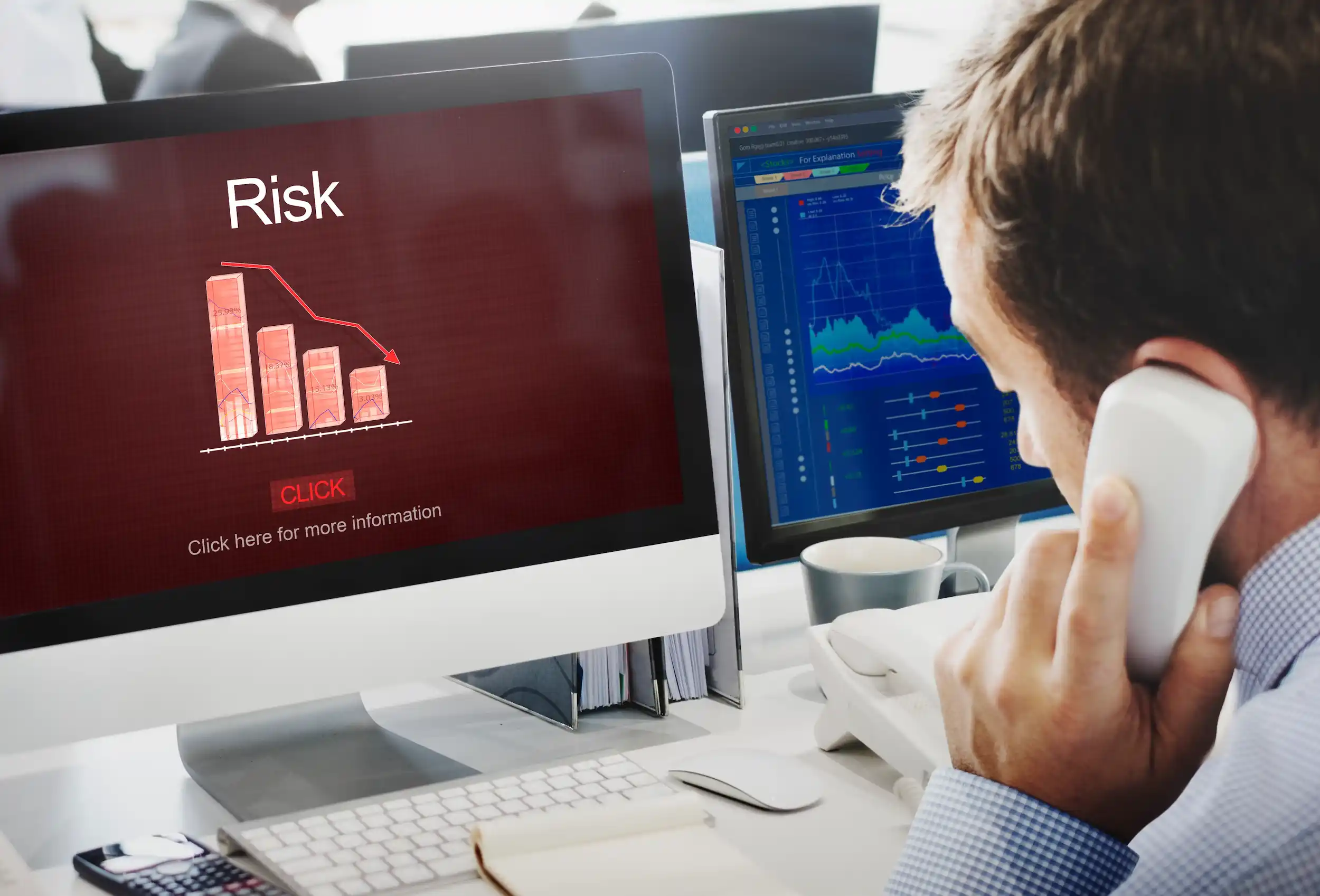
In an era of increasingly complex and uncertain business climate, companies can no longer rely solely on intuition to address threats. Market volatility, regulatory changes, cyberattacks, and geopolitical upheavals demand a more structured, data-driven approach. This is where risk intelligence comes in as a strategic component, transforming how organizations understand, analyze, and respond to potential threats.
This article discusses what risk intelligence is, how its latest trends will evolve in 2026, and why the role of data intelligence is increasingly crucial in the decision-making process of modern companies.
What Is Risk Intelligence?
Before we delve further, it's important to understand two basic concepts. What is intelligence? In general, intelligence refers to the process of collecting, processing, and analyzing information to produce actionable knowledge (actionable knowledge). In an organizational context, intelligence helps leaders make decisions based on a deeper understanding of environmental conditions.
So, what is meant by risk intelligence? Risk intelligence (risk intelligence) is an organization's ability to systematically identify, process, and interpret information about threats and opportunities, resulting in insights that support proactive risk management. Unlike conventional risk management, which is reactive, risk intelligence moves ahead, anticipating risks before their impact is felt.
The main components of risk intelligence include:
- Data collection from various internal and external sources
- Contextual analysis to understand the relevance of information
- Impact and probability assessment quantitatively and qualitatively
- Risk mitigation by implementing prevention strategies
- Risk monitoring whether the strategy implemented is effective or not
- Distribution of insights to the right stakeholders
What Is the Role of Intelligence in Modern Risk Management?
Modern risk management is no longer a stand-alone compliance function. It has evolved into an integral part of business strategy. International standards such as ISO 31000:2018 emphasizes that good risk management must be dynamic, iterative, and integrated across all levels of the organization.
Intelijen berperan sebagai “jantung” dari sistem ini. Tanpa data intelijen yang akurat dan tepat waktu, manajer risiko hanya akan bekerja berdasarkan asumsi. Dengan intelijen yang kuat, organisasi dapat:
- Mendeteksi sinyal risiko dini (early warning signals) sebelum berkembang menjadi krisis
- Memahami keterhubungan antar risiko (risk interconnectivity)
- Prioritizing mitigation resource allocation more efficiently
- Building a communicative risk narrative to deliver to the directors and board of commissioners
What Are the Risk Intelligence Trends in 2026?
The risk intelligence landscape keeps evolving with technological progress. Some dominant trends shaping the practice in 2026 include:
- Integrasi Kecerdasan Buatan (AI) and Machine Learning AI algorithms can now process millions of data points in seconds to detect risk patterns invisible to the human eye. Predictive models based on machine learning membantu perusahaan mengantisipasi risiko finansial, operasional, bahkan reputasional.
- Real-Time Risk Monitoring Modern intelligence data platforms provide live risk monitoring dashboards (real-time), enabling far faster responses to changing market conditions or cyber threats.
- Increasingly Mature Cyber Risk Intelligence With rising ransomware attacks and data leaks, cyber threat intelligence (cyber threat intelligence) has grown into its own discipline that every mid-sized-and-up organization must have.
- Approach ESG as a New Source of Risk Environmental, social, and governance (ESG) factors are now recognized as a strategic risk dimension. Companies are required to have the intelligence capacity to monitor their ESG risk exposure.
- Kolaborasi Intelijen Lintas Industri Muncul ekosistem berbagi informasi risiko (information sharing) between companies in one sector, especially in finance and critical infrastructure, to strengthen collective resilience.
What Is the Role of Intelligence Data in Decision-Making?
Intelligence data is the foundation of good decisions. In a corporate context, intelligence data refers to information that has been processed and analyzed to produce strategic insights ready for decision-makers to use.
The concrete roles of intelligence data in decision-making include:
- Pengambilan keputusan berbasis bukti (evidence-based decision making): replacing assumptions with verified data
- Simulasi skenario risiko: letting management test the impact of various strategic options before implementing them
- Dukungan perencanaan kontinuitas bisnis: ensuring the organization has backup plans relevant to its risk profile
- Peningkatan akuntabilitas: data-based documentation makes the decision trail more transparent and auditable

What Are the Benefits of Risk Intelligence for Companies?
Investing in a mature risk intelligence system delivers real benefits for companies:
- Higher business resilience: the ability to withstand and recover from external disruptions rises significantly
- Cost savings: early detection of risks prevents major losses that could have been avoided
- Stakeholder trust: investors, regulators, and business partners have more confidence in companies that have transparent risk management systems
- Competitive advantage: a better understanding of risk allows companies to take opportunities that competitors reject as too risky
- More efficient regulatory compliance: intelligence-based automated monitoring reduces the burden of manual compliance
What Are the Challenges of Implementing Risk Intelligence?
Despite its significant benefits, implementing risk intelligence is not without its challenges. Some of the key challenges organizations frequently face include:
- Quality and data integrity: inaccurate or inconsistent data will produce misleading insights
- Competency gap: not many professionals have the combined capabilities of data analytics, business understanding, and risk management expertise.
- Organizational culture resistance: the transformation towards intelligence-based decision-making is often hampered by old habits
- Technology implementation costs: advanced risk intelligence platforms require a significant initial investment
- The security of the intelligence data itself: ironically, the systems designed to manage risk are also the targets of cybersecurity threats.
What Strategies Build an Effective Risk Intelligence System?
Building robust risk intelligence capacity requires a planned and comprehensive approach. The following strategies are recommended:
- Starting from a Clear Framework Adopt standards such as ISO 31000 or a framework COSO ERM as the foundation of a risk management system before integrating intelligence components.
- Investing in Data Infrastructure Build a clean, integrated, and real-time accessible data ecosystem for risk teams.
- Develop Human Resource Capacity Train risk analysts to understand data analytics techniques and contextual interpretation of intelligence data.
- Integrate with Business Processes Risk intelligence systems should be embedded within the strategic planning cycle, not stand as a separate function.
- Evaluate and Update Regularly The risk environment is constantly changing. Do review periodic review of the assumptions, models, and data sources used.
FAQ About Risk Intelligence
What Is Risk Intelligence?
Risk intelligence (risk intelligence) is an organization's ability to identify, process, and interpret information about threats and opportunities systematically, producing insights that support proactive risk management.
What are the main components of risk intelligence?
Data collection from internal and external sources, contextual analysis, quantitative and qualitative assessment of impact and probability, risk mitigation, monitoring strategy effectiveness, and distributing insights to the right stakeholders.
What Is the Role of Intelligence in Modern Risk Management?
It enables organizations to detect early risk signals before they grow into crises, understand the interconnections between risks, prioritize mitigation resource allocation efficiently, and build a risk narrative that communicates well to directors and the board of commissioners.
What are the latest risk intelligence trends?
Artificial intelligence integration, risk monitoring in real-time through modern dashboards, increasingly mature cyber risk intelligence, the ESG approach as a new source of risk, and cross-industry intelligence collaboration through risk information sharing ecosystems.
What Are the Benefits of Risk Intelligence for Companies?
Higher business resilience, cost savings because early detection prevents major losses, stronger stakeholder trust, competitive advantage from better risk understanding, and more efficient regulatory compliance through automated monitoring.
What are the challenges of implementing risk intelligence?
Data quality and integrity, professional competency gaps, organizational culture resistance to intelligence-based decision-making, technology implementation costs, and the security of the intelligence data itself.
Conclusion
Risk intelligence isn't just a technology trend; it's a paradigm shift in how companies view uncertainty. In an increasingly unpredictable world, the ability to collect, analyze, and effectively use intelligence data is the difference between organizations that merely survive and those that thrive.
Companies that invest today in building mature risk intelligence systems are preparing themselves for a more complex and competitive future. The question is no longer whether risk intelligence is needed, but rather how fast your organization is ready to adopt it.
Therefore, companies need a risk management system that can help identify, monitor, and analyze risks more proactively and based on data. To support this need, a GRC application is needed. Audithink can help companies manage risk intelligence processes, risk monitoring, and decision-making in a more integrated and adaptive manner.
This application is designed to be easily integrated with various company systems, supports real-time risk monitoring, and helps governance, risk, and compliance processes run more effectively and measurably. Request a demo now and find out how our app works.