
Audit Tracing: Difference from Vouching and Examples

Tracing audits trace source documents through to the financial statements to ensure all transactions are completely recorded. Learn the functions, procedures, and examples of its application.
Vouching Audit: Functions, Types, and Examples

Vouching audits verify the authenticity of entries in the general ledger and trial balance to detect fraud. Learn its functions, types, and examples of its application.
Procurement Audit: Why It Matters for Organizations

A procurement audit minimizes the risk of mismatched data, goods, or committee competence. Understand why this process matters for organizations.
Role of Audit Services, types, and Tips for choosing a professional provider

The bigger the company, the more risks need overseeing. Learn the role of audit services, the types available, and tips for choosing a professional provider.
5 recommendations for leading company Audit applications and how to choose them

5 corporate audit application recommendations for examining financial, operational, information system, compliance, and forensic reports. See each option's strengths and how to choose.
Corporate Audit: types, benefits, and options of Indonesian KAP

A corporate audit ensures financial statements are accurate and prevents irregularities. Learn the types of audits, their benefits, and Public Accounting Firm options in Indonesia.
Examples of Corporate Audit working papers for operational improvement
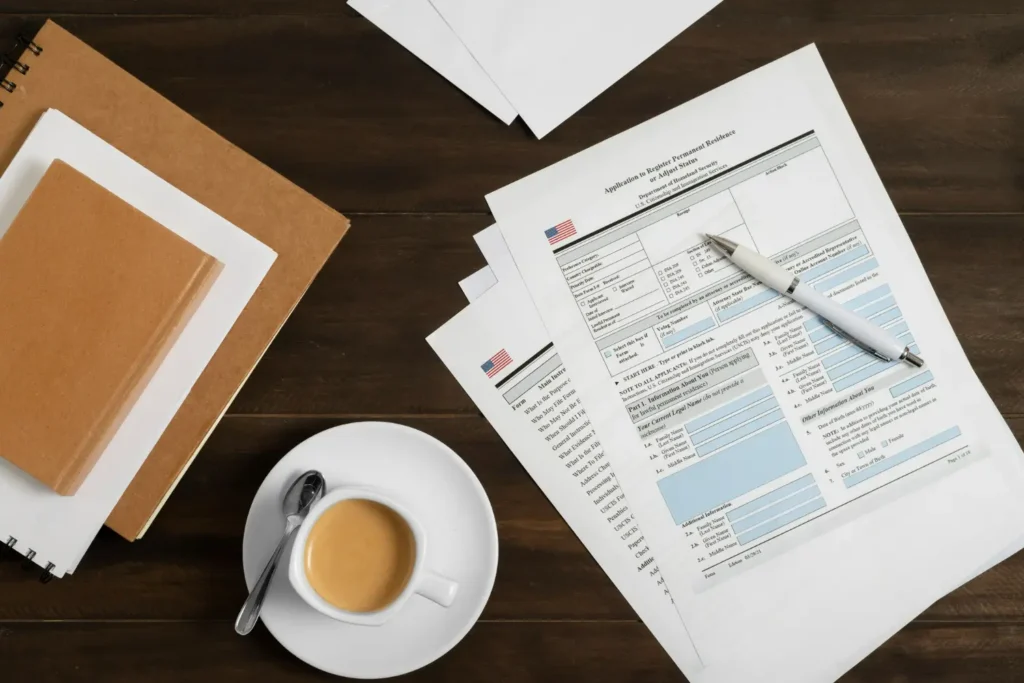
Audit Working Papers record evidence, findings, and analysis during an examination. See an example of corporate audit working papers and how to use them for operational improvement.
Probity Audit: objectives, benefits, guidelines and stages

A probity audit assesses the integrity of an organization's work processes — whether they are transparent, accountable, and compliant with regulations. Learn the objectives, benefits, guidelines, and stages.
Data Warehouse: purpose, benefits, how it works, and examples
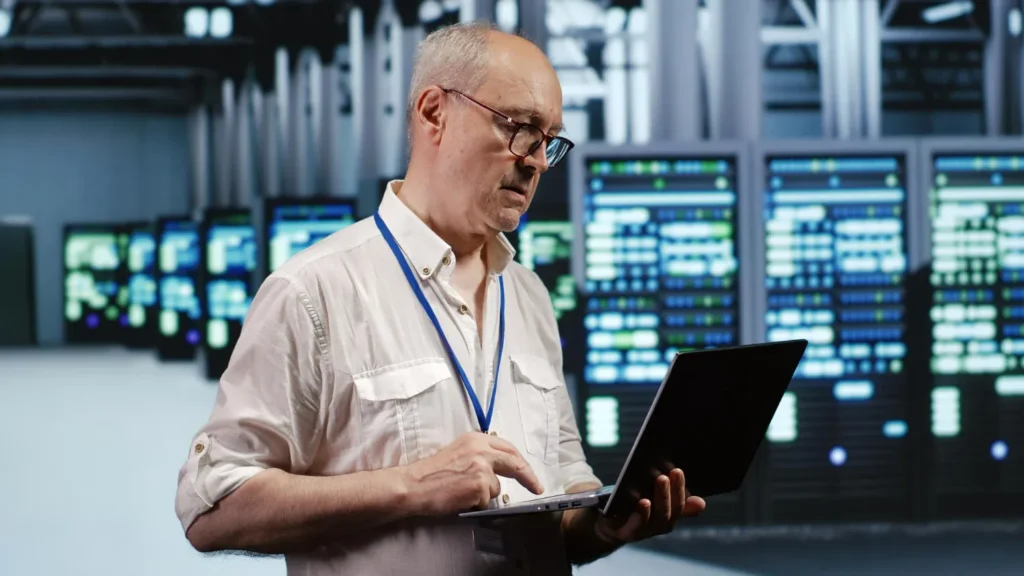
A data warehouse stores and organizes financial, sales, operational, and business transaction data in one place. Learn the objectives, benefits, how it works, and examples.