
IIA Three Lines Model: Definition, Roles of Each Line, and Latest Principles

The IIA Three Lines Model distinguishes the roles of management, risk monitoring functions, and internal audit. Learn the five principles of the 2026 version and examples of how it is applied.
Audit Risk vs Business Risk vs Fraud Risk: Key Differences
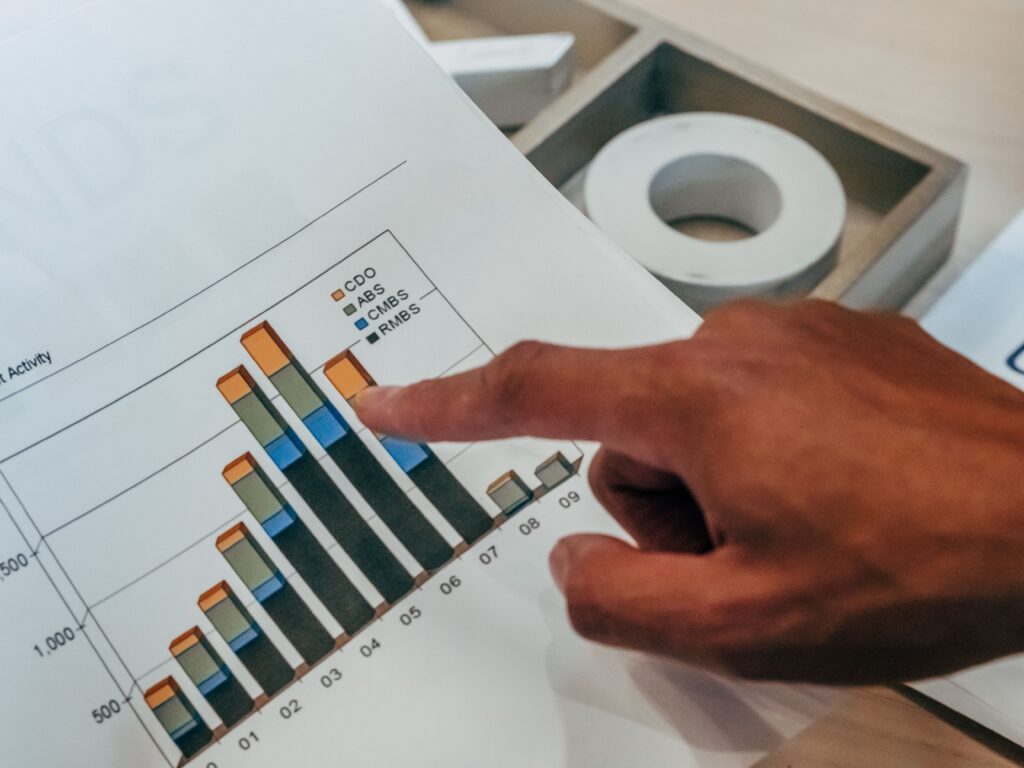
Perusahaan menghadapi berbagai risiko yang dapat memengaruhi laporan keuangan, operasional, dan pencapaian target bisnis. Memahami perbedaannya membantu manajemen menentukan langkah pengendalian yang sesuai.
Audit Evidence Management and Digital Working Papers for Auditor Efficiency
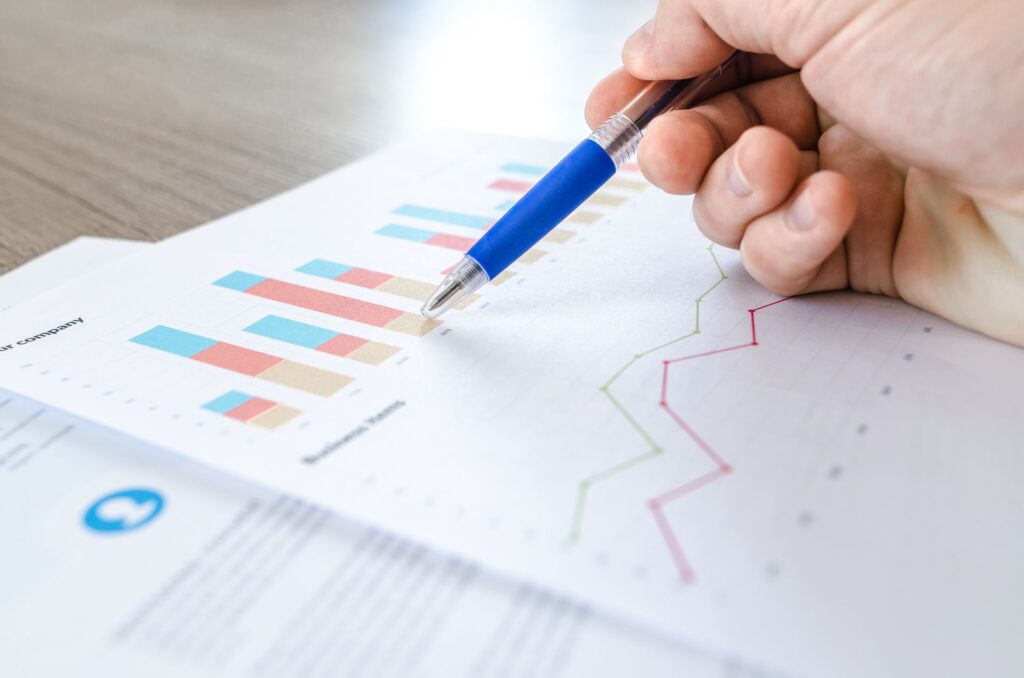
Digital audit evidence management helps auditors organize workpapers, link evidence to testing procedures, and maintain document confidentiality. With consistent indexing, role-based access restrictions, and a traceable audit trail, audit teams can work more efficiently and be better prepared for peer review.
Internal Audit Evidence vs. Legal Investigation Evidence (Fraud Audit)
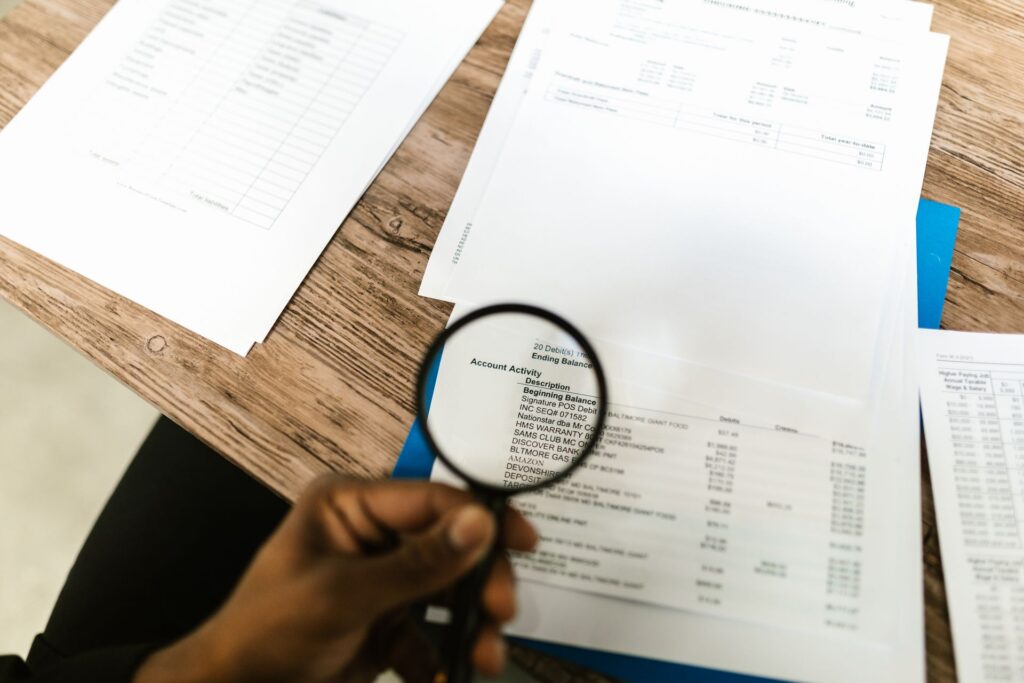
In fraud investigations, internal audit findings may not necessarily be readily admissible as legal evidence. This article discusses the differences between audit evidence and legal evidence, evidentiary standards, the application of the chain of custody, and the role of digital documentation in supporting systematic and accountable investigations.
Orchestration of Multiple Audit Types in One Platform
An integrated audit platform helps overcome data silos by bringing together operational, financial, and IT audit management in one system.
ESG Audit in Companies: (Environmental, Social, and Governance)
An ESG audit evaluates a company's environmental, social, and governance impact comprehensively and transparently. Audithink helps internal audit teams document the planning, work programs, findings, and follow-ups of ESG audits.
Integration of Data Analytics in Audit Procedures (CAATs)

Internal audits no longer rely solely on sample testing. Through audit data analytics and CAATs, auditors can examine thousands of transactions and assets simultaneously, from automated recalculations to risky transaction detection, with results that remain traceable.
Remote Audit Procedures: Modernizing Remote Audithink

Audits don't always have to be conducted with the auditor in person. Through remote audit procedures, inspections can be conducted using digital technology, from virtual walkthroughs to digital document inspections, without compromising on adequate evidence validation.
Digitalization of Audit Assertion Mapping in Audit Working Papers

Audit procedures have been performed, but has each risk been tested through appropriate assertions? If the relationship between risks, procedures, and evidence is not well documented, the auditor may have difficulty ensuring the adequacy of the tests.