
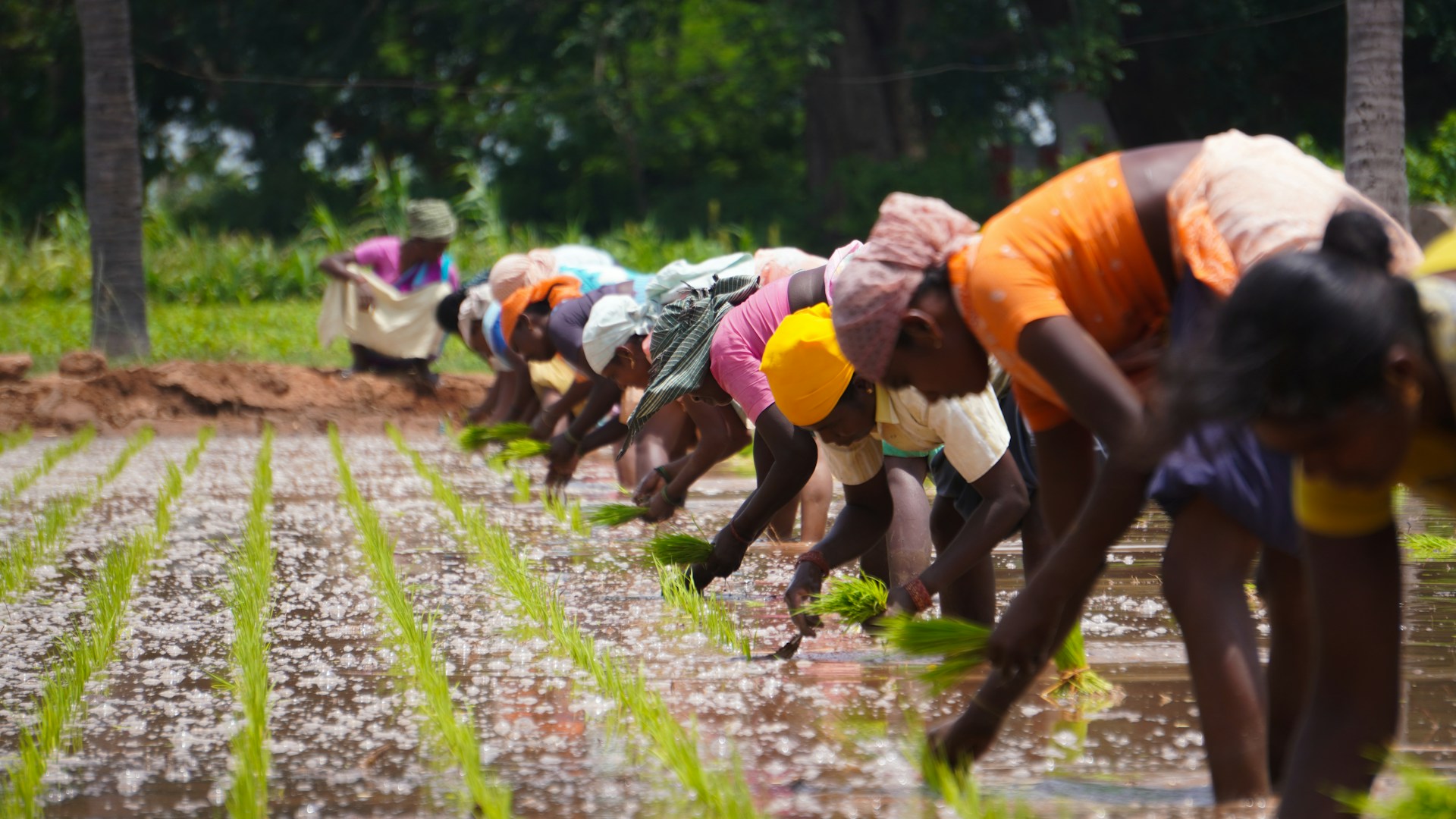
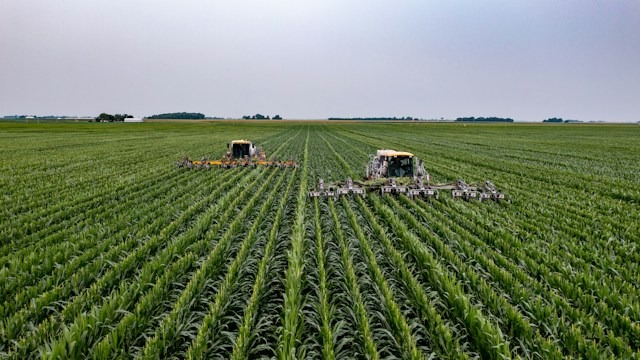
Photo by James Baltz on Unsplash
Operational audits of harvest fields are key to ensuring that each stage of production follows procedures and is free from irregularities. Oversight cannot be achieved solely through administrative reports. Direct field inspections should encompass the harvesting process, weighing, transportation, and production record keeping.
This article discusses gaps in harvest yield leakage, the stages of the Field Harvest Operational Audit, digitalization of field supervision, and strategies for preventing fraud in a sustainable manner.
Beyond the harvest process, the potential for fraud and operational irregularities also frequently occurs in other areas, such as the procurement of goods and services. Also Read: The importance of Audit of procurement of goods and services for the organization
What Are the Potential Leakage and Fraud Gaps in Plantation Harvest Yields?
Harvesting is one area that requires strict control because it involves many activities, from harvesting to delivery to processing facilities.
Oversight gaps can open up opportunities for data manipulation, theft of production results, or discrepancies between physical conditions and administrative reports.
Manipulation Mode of Scales and Tonnage in TPH/PKS
Scale manipulation can occur when the actual weight of the harvest differs from the figure recorded on the document or system.
These differences can arise through changes in weighing data, recording errors, or practices that do not comply with procedures during the weighing process.
Audits need to compare weighing data with shipping documents, production records, and physical inspection results to find anomalies.
Practices of Smuggling Fresh Fruit Bunches and Harvest Theft
Fresh Fruit Bunches (FFB) can leak when the harvest leaves the plantation area without going through the established recording and monitoring procedures.
The risk increases when access control, vehicle recording, and harvest reconciliation are not implemented consistently.
Auditors It is necessary to check the movement of harvested produce from the production block to the TPH and PKS to ensure that every movement can be traced.
Mismatch between Harvest Ripe Criteria and Scattered Remains
Harvest maturity criteria determine the suitability of the harvested fresh fruit bunches (FFB). Failure to comply with standards can impact production quality and open up opportunities for yield manipulation.
Any remaining fruit in the field should also be checked. Unusual amounts can indicate poor harvest supervision.
Field inspections need to match the physical condition of the plants, harvest results, foreman's notes, and reported production data.
What Are the Stages of Conducting an Oil Palm Harvest Audit in the Field?
Operational Audits of Harvest Fields need to be carried out systematically so that the inspection can identify deviations from the production process until the results are received by the PKS.
The stages may include:
- Determining the scope of the audit
Determine the area, period, garden block, harvest process, and parties involved in the inspection. - Checking production documents and data
Compare harvest data, cover letters, weighing data, foreman reports, and PKS receipt records. - Conducting a physical field inspection
Check the condition of the blocks, fresh fruit bunches, remaining, transportation routes, and harvesting activities directly. - Testing data suitability
Reconcile field inspection results with administrative data and company systems. - Identifying anomalies and findings
Note any data discrepancies, unusual transaction patterns, procedural violations, or indications of fraud. leakage. - Developing improvement recommendations
Each finding needs to be accompanied by causes, impacts, recommendations, responsible parties, and resolution targets.

How Is a Digital-Based Plantation Field Supervision System Implemented?

Magnificent
A digital-based plantation field monitoring system helps companies improve visibility into production and distribution activities, while also supporting the implementation of Operational Field Harvest Audits more efficiently.
Digitization allows for more structured field data collection. This information can then be compared with weighing, transportation, and receiving data from the mill.
Some features that can support monitoring include:
- Digital recording of harvest results.
- Monitoring field activities.
- Weighing data validation.
- Tracking of transport vehicles.
- Photo documentation or evidence of inspection.
- Production monitoring dashboard.
- Notification of certain anomalies.
- Audit trail user activity.
Data integration also helps auditors perform analysis more quickly. Deviation patterns can be traced based on location, time, volume, or user activity.
What Strategies Prevent Oil Palm Harvest Fraud on an Ongoing Basis?
Preventing palm oil harvest fraud requires a combination of internal controls, field inspections, technology utilization, and ongoing monitoring.
Some strategies that companies can implement include:
1. Strengthen segregation of duties
Separate the authority for harvesting, recording, weighing, transporting and verification to reduce the opportunity for manipulation.
2. Perform reconciliation regularly
Compare harvest data, weighing data, transportation documents, and PKS receipts to find discrepancies early on.
3. Increase surprise inspections
Spot check help test compliance with procedures without giving certain parties the opportunity to prepare field conditions.
4. Use data-driven analysis
Historical data analysis can help identify unusual volume patterns, repeat transactions, or differences in results between periods.
5. Document each finding
Audit evidence need to be stored in a structured manner so that the verification and follow-up process can be carried out easily.
6. Monitor follow-up regularly
Findings don't stop after the audit report is issued. Management needs to monitor the progress of improvements until the risk is deemed under control.
FAQ
What is a harvest field operational audit?
Operational audit of harvest fields is a direct inspection process in the field to ensure that every stage of production, from harvesting, weighing, to transporting the results, runs according to procedures and is free from deviations.
Why is it important to conduct regular palm oil harvest audits?
Regular audits help companies detect potential leakage, scale manipulation, or crop theft early on, so losses can be prevented before they have a greater impact on production.
What are the indicators of fraud to watch out for in the harvesting process?
Several indicators include differences between weighing data and documents, unreasonable residues, movement of fresh fruit bunches without official recording, and discrepancies between foreman reports and physical conditions in the field.
How does digital technology help plantation field supervision?
The digital system allows for real-time recording of harvest results, validation of weighing data, and tracking of transport vehicles, allowing anomalies to be detected more quickly than with manual recording.
Who is responsible for carrying out operational audits of harvest fields?
Audits can be conducted by a team SPI, internal auditors, or field supervisors appointed by the company, with the support of a digital system to document evidence and findings in a structured manner.
Conclusion
Crop control requires structured inspections to identify potential leakage, strengthen internal controls, and ensure every process is traceable.
Audithink helping the audit team manage inspections, document evidence, record findings, and monitor follow-up in a more integrated manner.
Schedule an Audithink demo and improve the effectiveness of plantation operational audits through a system that helps manage risks and findings in a more measurable manner.